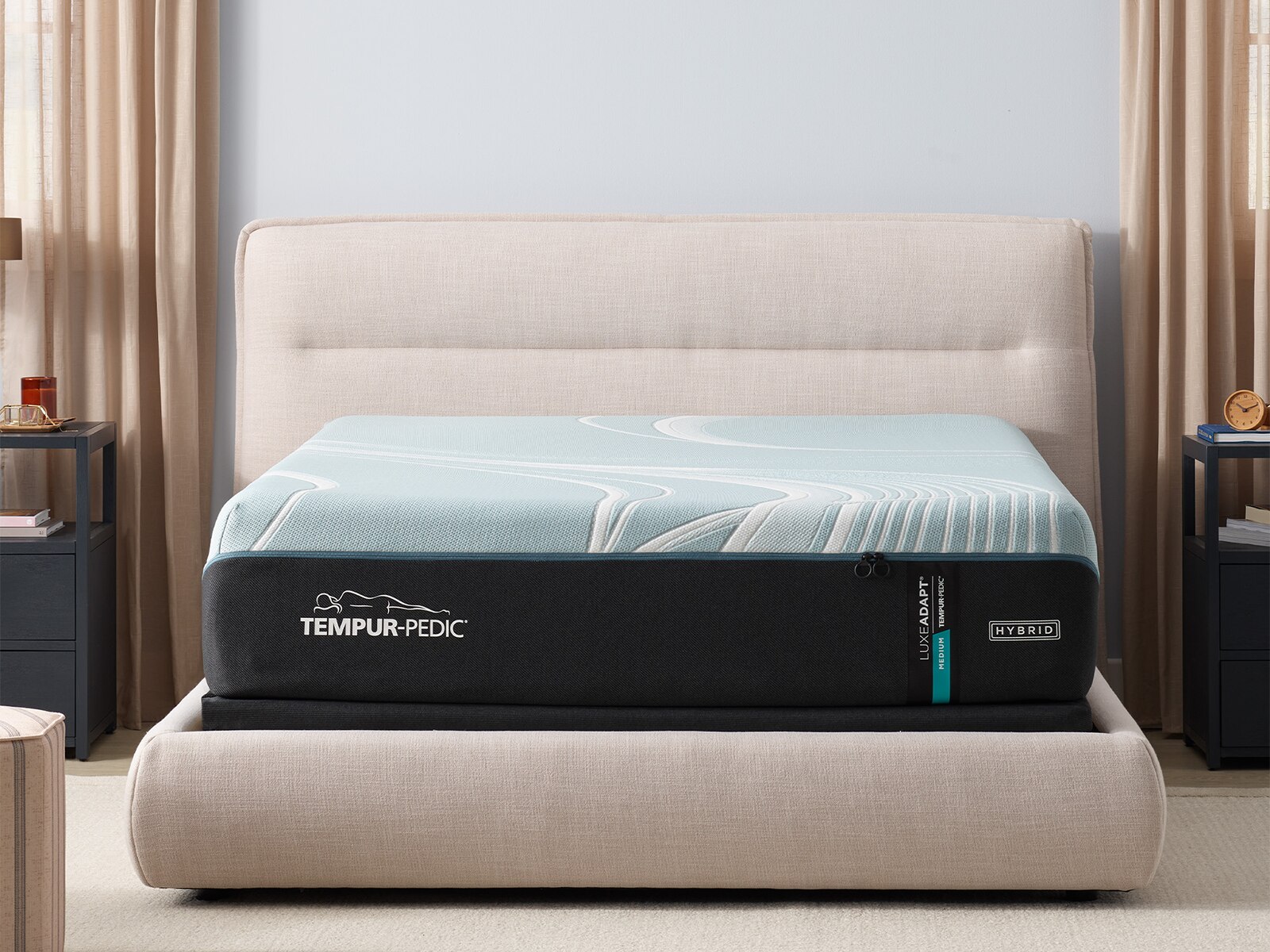
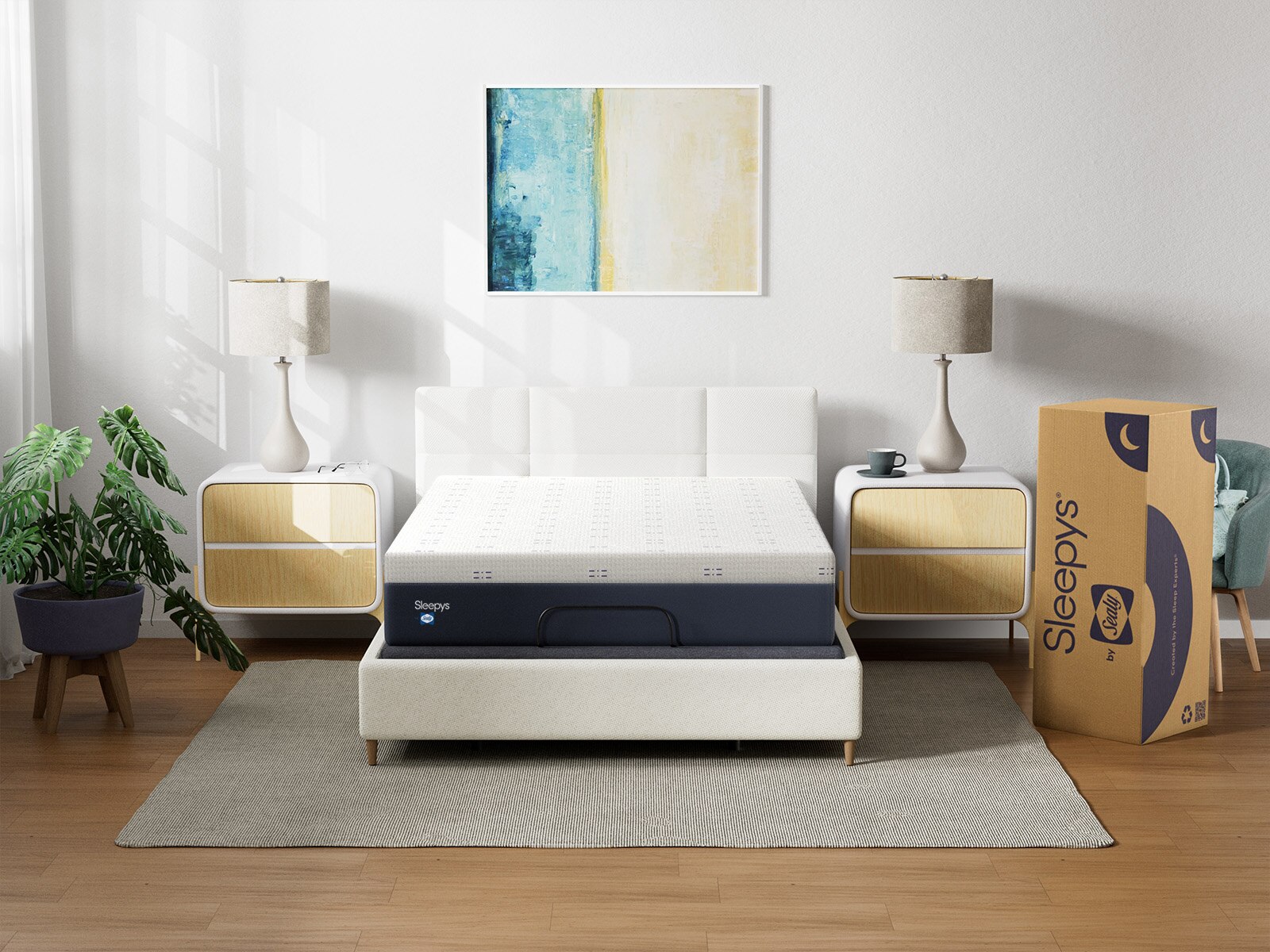
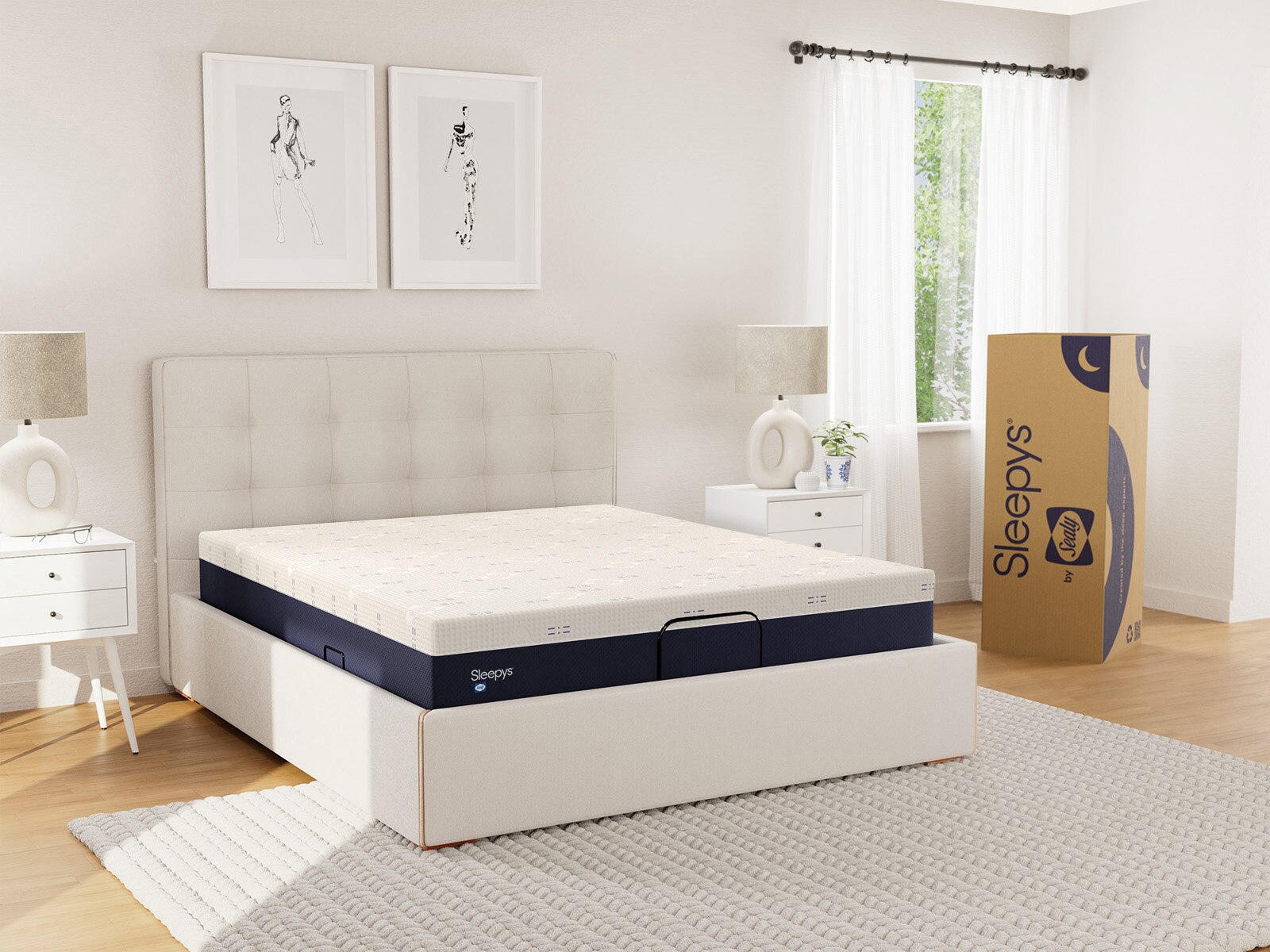
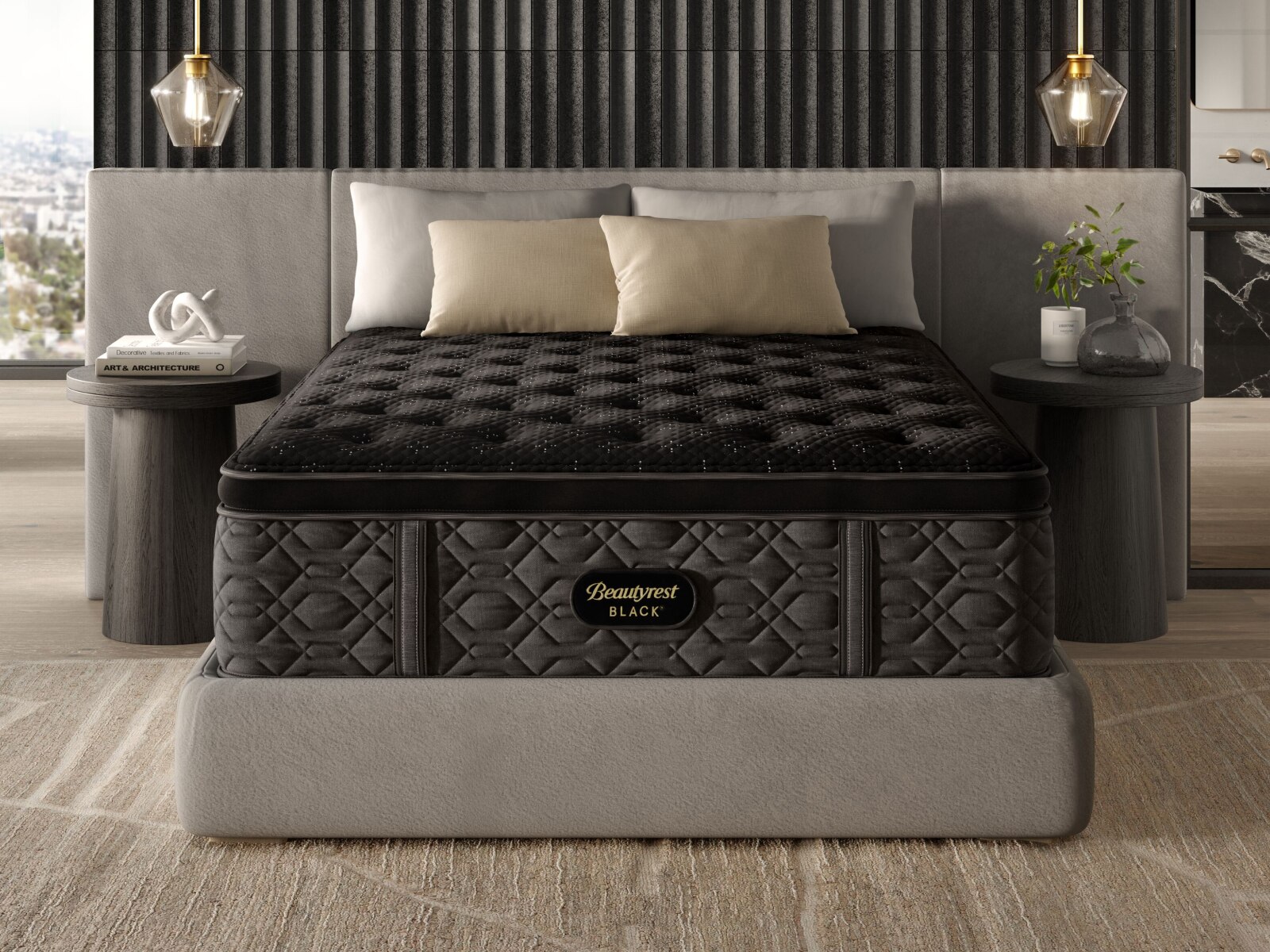
Queen hybrid mattresses for tall people pair a coil support system with cushioning layers, but their fit starts with a simple measurement: a standard queen mattress is 60 inches wide and 80 inches long. That length can work well for many taller sleepers, although height, sleeping position and pillow placement all affect how much room feels comfortable. Someone who is six feet four inches tall measures 76 inches from head to heel, leaving just four inches of total extra length before accounting for the space above the head or an extended foot position. A side sleeper who naturally bends their knees may feel comfortable on the same mattress that feels restrictive to a back sleeper who stretches out fully. Within the selection of
Queen Hybrid Mattresses, differences in cushioning and edge construction can influence comfort, but they do not make a standard queen longer. Reinforced edges may help the perimeter feel more stable; they cannot add legroom. A thick headboard, oversized pillows or a footboard that rises above the mattress can also make the sleeping space feel more confined. For two people sharing a queen, the 60-inch width matters alongside the length, especially if one person tends to sleep diagonally to keep their feet on the bed. A standard king offers more width but is also 80 inches long, while a California King measures 72 inches wide and 84 inches long. Those extra four inches may be worth considering when a queen leaves feet hanging over the end. A queen remains a practical choice when its dimensions suit both the sleeper and the room, providing space for an individual to change positions without the larger footprint of a king. The most useful fit comparison considers the sleeper’s full, relaxed position rather than height alone, including where the head rests on the pillow and whether the legs extend straight during the night.
The hybrid construction brings together two distinct comfort elements: a spring-based support core and cushioning made from materials such as memory foam, other comfort foams or latex. Memory foam generally contours more closely around the body, while latex often has a more buoyant response that makes changing positions feel easier. Individually wrapped coils can respond to pressure in separate areas of the mattress, though the overall feel depends on the complete construction rather than any single component. For a tall sleeper, consistent support beneath the shoulders, waist and hips matters more than choosing the thickest mattress or the firmest surface. Height does not automatically mean a person needs extra-firm cushioning or a higher weight capacity. A tall person with a lighter build may prefer a surface that allows the shoulder and hip to settle in comfortably, particularly when sleeping on their side. A taller person with a heavier build may need a more substantial support system that limits excessive sinking while still cushioning pressure points. Back sleepers often appreciate a balance of contouring and support beneath the lower back, while stomach sleepers generally need enough resistance beneath the midsection to avoid sinking too deeply. These are starting points, not fixed rules; comfort depends on body proportions and personal preference. Zoned support can provide different levels of resistance across the mattress, but a taller torso or longer legs may place the body differently over those zones. Foam density, coil design and layer thickness all contribute to how a mattress performs, and no single measurement tells the whole story. Higher-density foam is not necessarily firmer, just as a taller mattress is not necessarily more supportive. For couples, motion isolation can help reduce the movement felt when one person turns over, while a responsive surface can make repositioning less effortful. Edge support is also useful for someone who sits along the side to put on socks or regularly sleeps near the perimeter, although its feel varies between constructions.
A queen hybrid mattress also needs a compatible foundation and enough room around it to work comfortably in everyday life. The base should meet the mattress manufacturer’s requirements for support, including any guidance on slat spacing and center supports. An existing frame that bows, shifts or leaves large unsupported gaps can affect the feel of the mattress and its long-term condition. For an adjustable base, compatibility matters because not every hybrid construction is intended to flex in the same way. Mattress height deserves attention for a different reason than length: a deep mattress combined with a tall foundation can create a very high sleeping surface. A comfortable sitting height lets the sleeper rest at the edge without feeling perched or having to climb into bed. Deep comfort layers also affect sheet fit, so fitted-sheet pocket depth should accommodate the mattress and any additional topper. A topper can change cushioning, but it cannot extend a queen’s length or correct a worn support core. Day-to-day care is usually straightforward: use a properly fitted protector, follow the care label for cleaning and keep spills from soaking into the comfort layers. Rotation may help distribute wear when the manufacturer recommends it; many layered hybrids are designed with a dedicated sleeping surface and should not be flipped unless instructed. Over time, some settling can occur, but a persistent dip that changes sleeping posture deserves attention rather than simply being covered with more padding. For a tall adult furnishing a primary bedroom, a growing teenager moving into a larger bed or a guest room used by taller visitors, the strongest choice balances usable length, comfortable support and practical upkeep. Pillows matter, too: one that supports the head comfortably without pushing it too far forward can help the whole sleep setup feel more natural. A queen hybrid works best when the mattress, base and bedding fit the person using them, leaving enough room to stretch out without sacrificing the cushioning and stability that make rest comfortable.