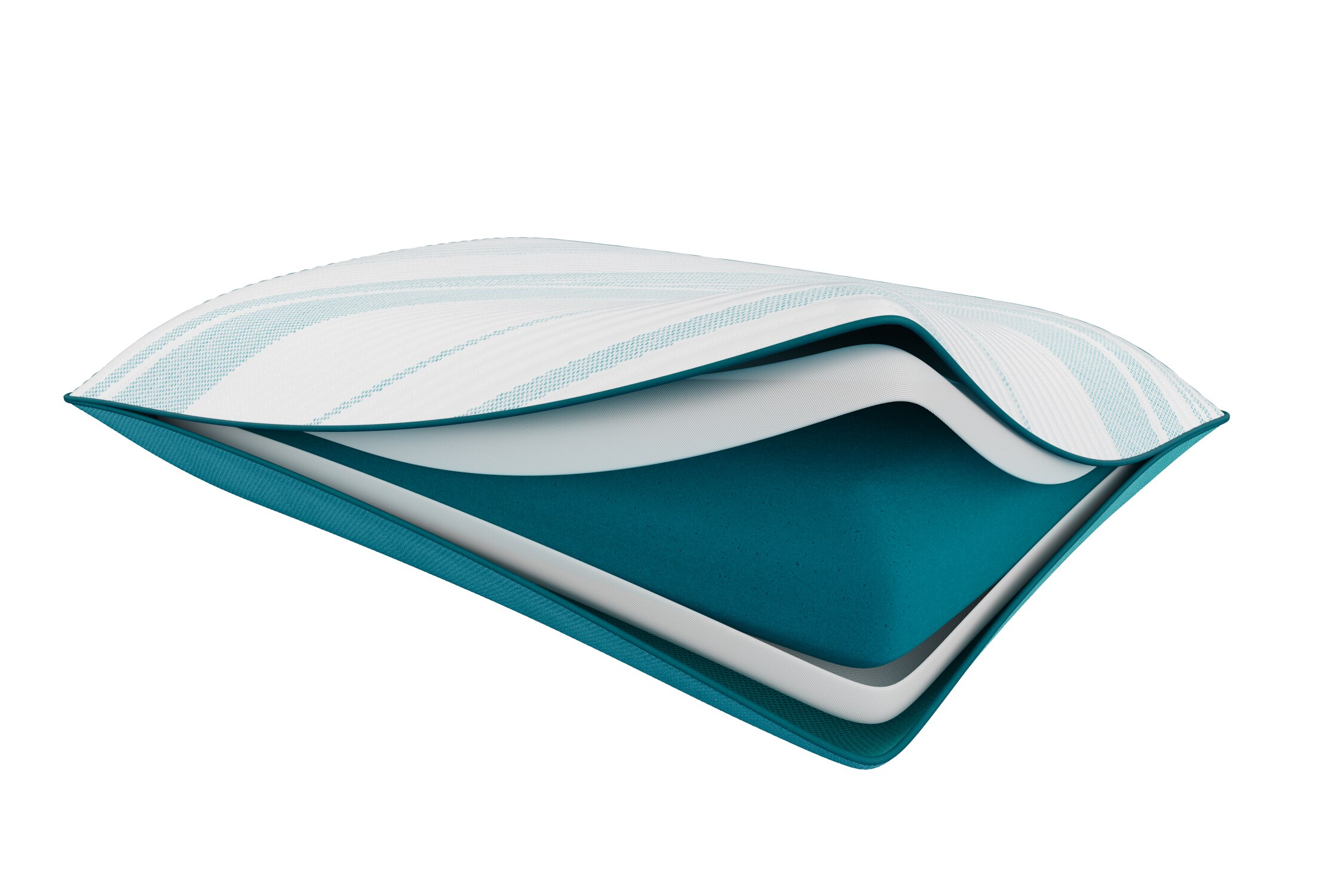
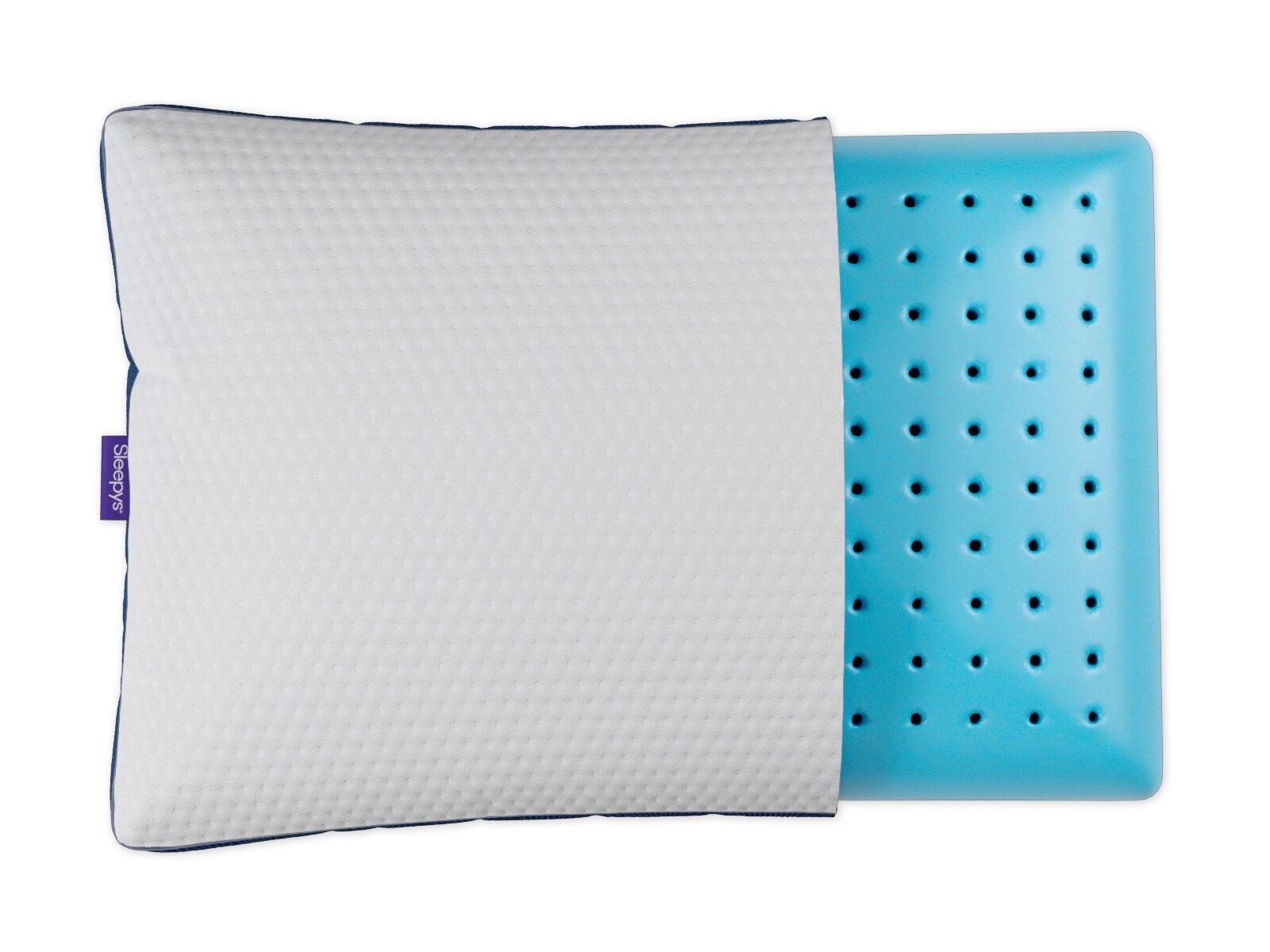
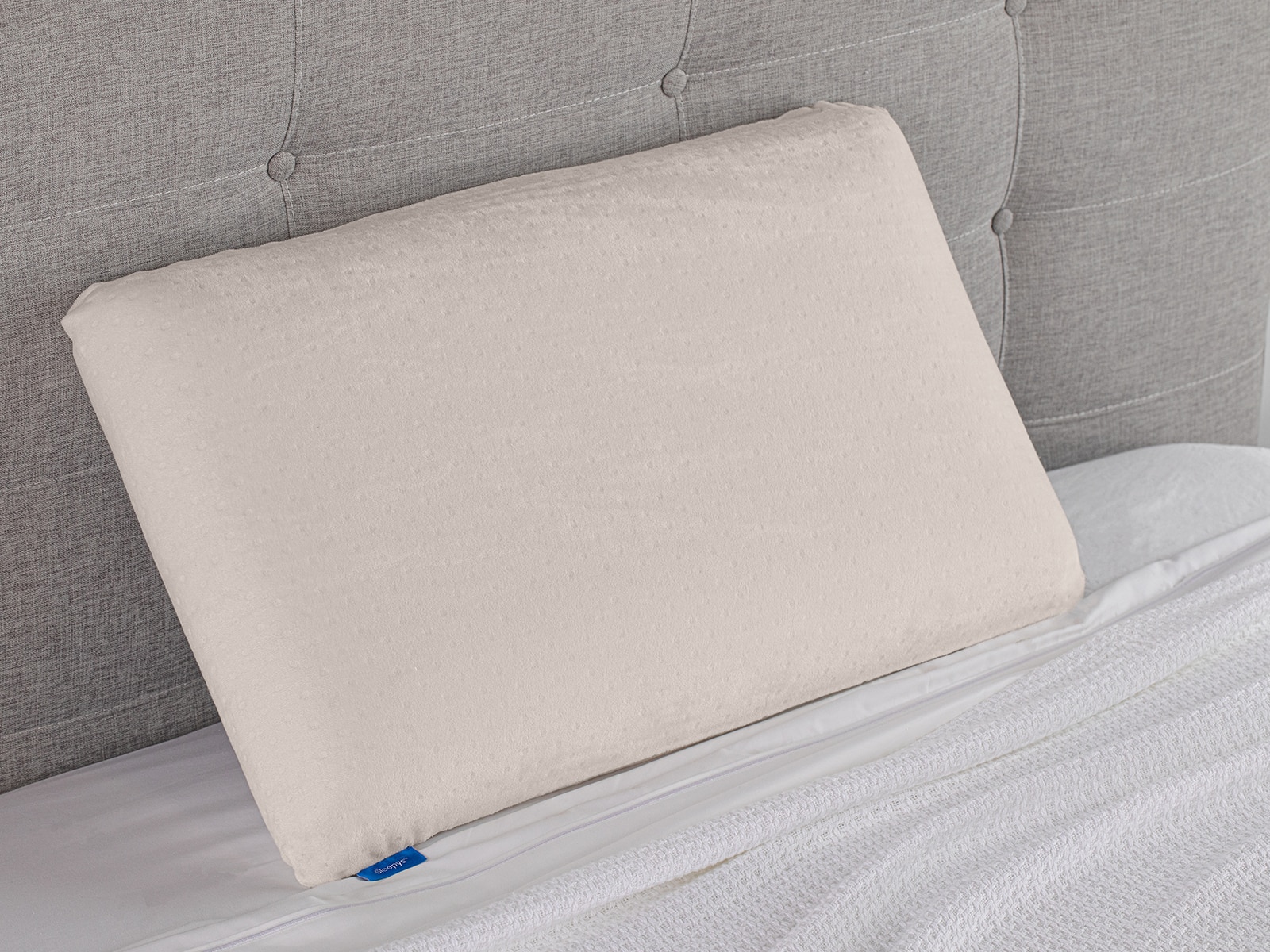
Responsive foam pillows cushion the head and neck while adapting to changes in sleep position, with a spring-back feel that helps the surface recover after pressure is released. That combination of contouring and recovery can appeal to sleepers who want gentle cushioning without feeling deeply settled into their pillow. Responsiveness describes how readily foam changes shape and rebounds; it does not tell the whole story about firmness, height or support. A soft pillow can respond quickly, while a firmer one may hold its shape with less noticeable compression. Materials and construction make a difference, too. Polyurethane foam can be engineered for a resilient feel, memory foam generally contours more gradually and latex foam often has a buoyant, elastic character. Individual formulations vary, so the material name alone cannot predict exactly how a pillow will feel beneath the cheek. A solid foam core typically creates a more consistent surface, while shredded or blended foam fill can shift around the head and may offer a more moldable feel. Designs with removable fill allow the height to be adjusted, though not every foam pillow has that feature. Contoured shapes may include a raised edge intended to nestle beneath the neck, while traditional rectangular shapes offer a familiar surface for sleepers who change positions. Perforations, internal channels and breathable covers can affect airflow, but these details should be considered alongside the overall construction rather than treated as a guarantee of comfort. The cover also changes the first impression: a smooth knit can stretch with the foam, while a more structured fabric can make the surface feel slightly less yielding. For someone who notices a pillow flattening under the head or needs to reshape loose fill repeatedly, responsive foam offers a different balance of cushioning and shape retention. The most useful distinction is not simply soft versus firm, but how the pillow compresses, how much support remains under pressure and how easily it accommodates the next turn.
Pillow fit depends on sleep position, body proportions and the surface beneath the body. Loft means pillow height, but the height after compression matters more than how tall a pillow looks untouched. Side sleepers often need enough loft to fill the space between the head and mattress, especially across broader shoulders. The goal is to keep the head comfortably aligned with the torso rather than tipped toward the mattress or pushed upward. A responsive foam pillow that feels substantial in the hand may still compress too much for that position, while a lower, denser design may provide sufficient support. Back sleepers generally need a balance of cushioning beneath the head and gentle support beneath the neck, without the chin being pressed toward the chest. Stomach sleepers often prefer a lower profile because excess height can increase the angle of the neck. These are starting points, not fixed rules: shoulder width, personal preference and mattress cushioning all influence the fit. Someone whose shoulders settle deeply into a softer mattress may need less pillow height than someone resting on a firmer surface. Combination sleepers have another consideration—the pillow should feel comfortable through more than one position. A responsive surface can make those transitions feel less restricted, though a pronounced contour may feel different when moving from the back to the side. Pillow size matters as well. A wider surface can give an active sleeper more room to turn, while a smaller footprint may suit a narrower bed or a preference for less bulk. Matching the pillowcase to the pillow’s dimensions helps avoid excess fabric or tight compression that changes the feel. Beyond overnight sleep, a foam pillow can provide cushioning behind the head while reading in bed, but a position that feels pleasant for a short stretch may not be suitable for a full night. Persistent neck pain, numbness or headaches deserve attention from a healthcare professional rather than an assumption that a different pillow will resolve them.
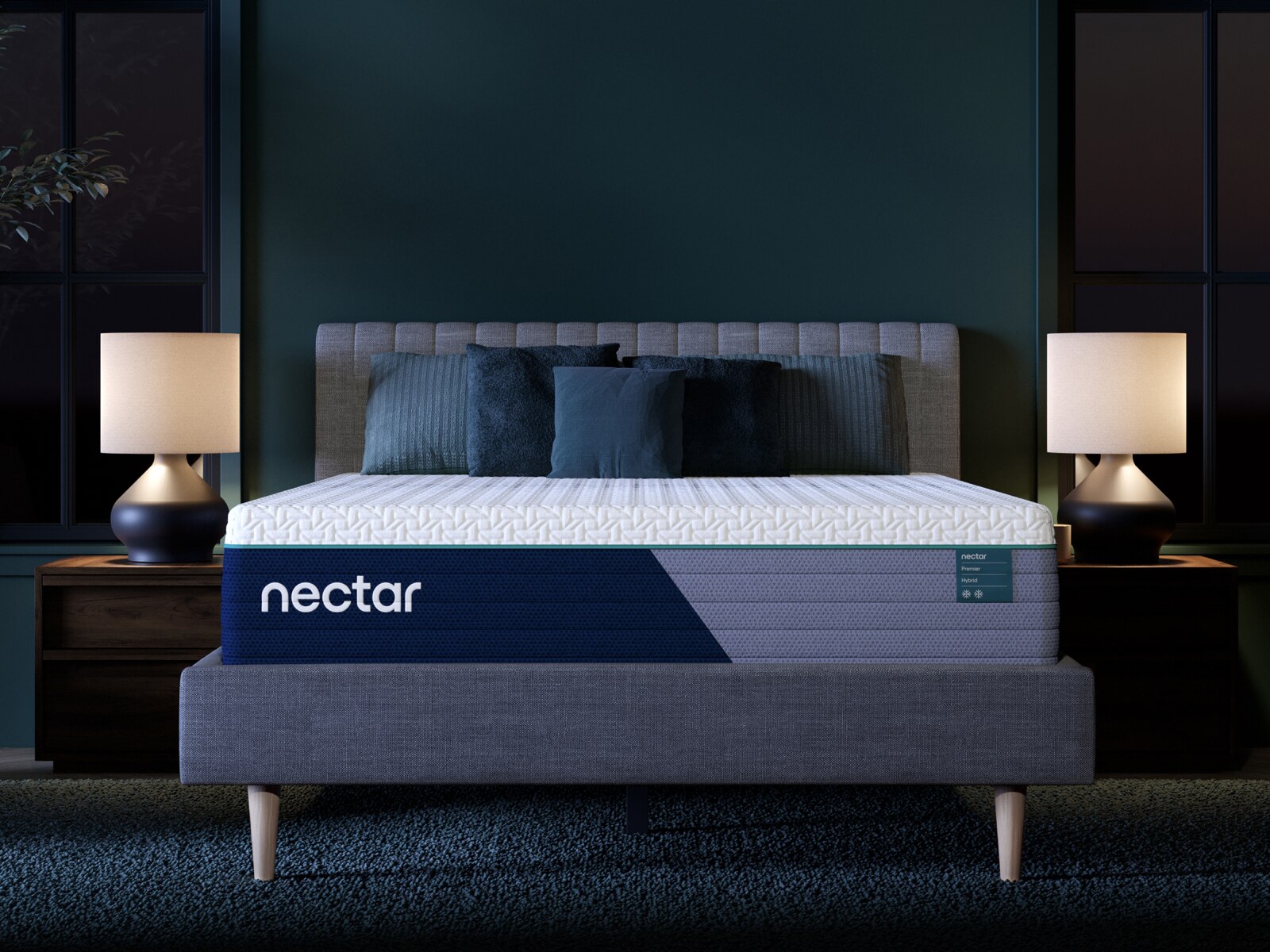
Care and construction help determine how well a responsive foam pillow holds up to everyday use. A removable, washable cover can simplify routine cleaning, but a washable cover does not mean the foam core can go in the washing machine. Many foam cores require spot cleaning only, and soaking or machine agitation can damage the material or leave moisture trapped inside. The care label should guide cleaning, drying and any use of cleaning products. When spot cleaning is permitted, a small amount of the recommended cleaner and thorough air-drying are important; the pillow should be completely dry before it goes back into its cover. A compatible pillow protector adds a washable layer between the pillowcase and core, although a thick or tightly fitted protector may alter the feel. Freshly unpacked foam can have a noticeable scent, and airing it in a well-ventilated space according to the manufacturer’s directions may help it dissipate. For sleepers with sensitivities, material disclosures and cover composition deserve close attention; foam should not automatically be assumed suitable for every allergy or sensitivity. Durability varies with foam quality, construction, use and care, so a universal replacement timeline is less helpful than watching for lasting changes. A hollow that remains after the pillow has rested, crumbling material or support that no longer feels consistent can signal wear. Pillow comfort also belongs in the context of the entire bed. The cushioning beneath the shoulders and hips affects how much space the pillow needs to fill, making
Response Foam Mattresses a related consideration when thinking about the feel of the sleep surface as a whole. As a gift, a responsive foam pillow is most personal when the recipient’s preferred position, loft and feel are already known. For a guest room, a familiar shape and moderate profile may accommodate varied preferences, though no single pillow fits everyone. Thoughtful material choices, a suitable fit and straightforward care matter more than any one feature on its own.