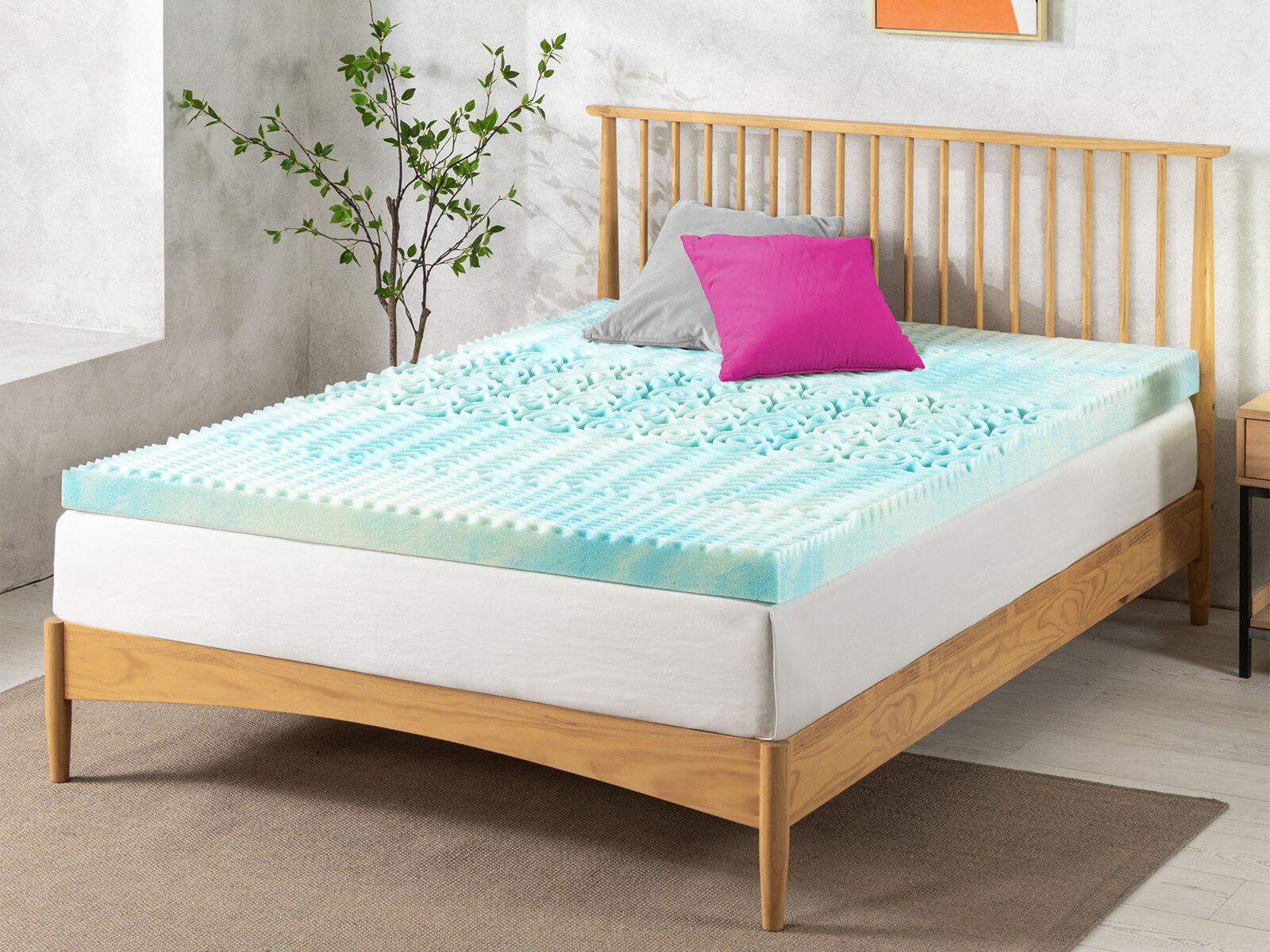
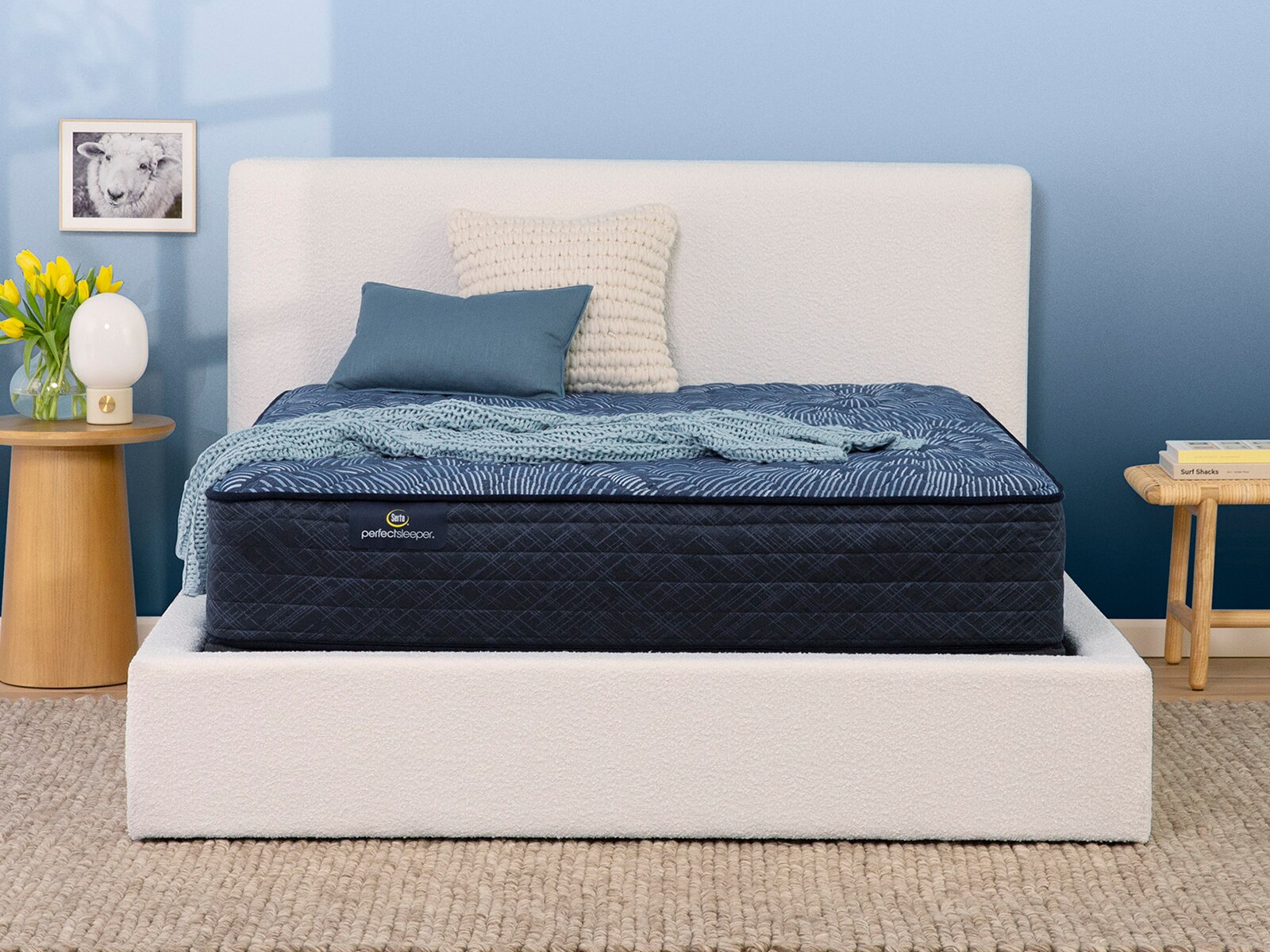
A soft foam mattress typically pairs a plush comfort layer with a firmer foam base. The surface compresses easily under the body, cushioning the shoulders and hips, while the base limits how far the body sinks. That combination often suits side sleepers and anyone who prefers to settle into a mattress rather than feel as though they’re resting on top of it. Softness describes how readily the surface gives way; support describes how well the mattress holds the body once it settles. A mattress can feel soft without letting the middle of the body dip too far. The type of foam shapes that experience, too. Plush memory foam molds closely around the body and tends to return to its original shape more slowly after a sleeper moves. A more responsive foam can offer a similarly soft first impression but spring back sooner, so the surface feels less enveloping when someone rolls over. The
Memory Foam Mattress collection is a useful place to explore that closer contour. Memory foam isn’t always soft, though, and not every soft foam mattress uses it. The thickness of the comfort layers and the firmness of the foam beneath them also matter. A thin plush layer over a firm base may soften the point of contact without creating much of a cradle. A deeper comfort layer gives the shoulders and hips more room to settle before they meet resistance from below. Even the first impression can be misleading: sitting on the edge concentrates weight in one spot, while lying down spreads it across the surface. A soft foam mattress that feels deeply cushioned when someone sits down may feel more gently contoured once that same person lies in a usual sleeping position.
Fit is easiest to judge in the position a sleeper spends the most time in. For a side sleeper, the shoulder and hip should have room to settle without leaving the waist unsupported or making the torso feel tilted. Someone who has to tuck an arm under the pillow to get comfortable might notice that a softer surface gives the shoulder more room, though pillow height also affects how the neck rests. Back sleepers who like a plush surface may prefer a shallow cradle that cushions the hips without letting them sink much farther than the upper body. Stomach sleepers often prefer a firmer feel because too much give beneath the pelvis can leave the lower back arched. Body weight also changes how the foam feels: two people can lie on the same mattress and have noticeably distinct experiences, with one barely compressing the top layer and the other settling well into it. For someone who shifts between the side and back, foam that rebounds quickly may be more comfortable during turns than a deep contour that takes longer to release. For partners, foam can help limit how much of one person’s movement reaches the other side, which can be useful when one gets up before the other. Edge feel is a separate consideration. A mattress may cushion movement well across the center yet compress noticeably along the perimeter. That matters when two sleepers use most of the surface or when someone regularly sits at the edge to put on shoes. Mattress height plays into that routine as well. A thick foam mattress on a tall frame may leave someone’s feet short of the floor when seated, while a lower setup may feel easier to get into but require more effort to stand up from. For a shared bed or a guest room, a gently plush surface with less sink can be a middle ground when sleepers have varying preferences.
How a soft foam mattress feels over time depends in part on the foam itself and how it’s supported. Foam density and firmness aren’t the same thing. Density describes how much material is packed into a given volume, while firmness describes how much the foam resists compression. A dense foam can still feel plush, so a soft feel alone doesn’t tell shoppers how well a mattress will hold its shape. Some change in feel with use is normal, but a lasting dip that remains after the bed is empty is distinct from the temporary impression foam makes around a shoulder or hip. A compatible foundation helps keep the mattress evenly supported. On a slatted frame, wider gaps than the mattress maker recommends can leave portions of the foam unsupported. Routine care is generally straightforward. A washable mattress protector can help keep spills and everyday buildup away from the cover, and one with some stretch is less likely to pull taut across the surface and mute the plush feel. A thick, stiff pad may make more of a difference than expected, especially on a mattress with a shallow comfort layer. Deep-pocket sheets can help keep the corners in place on a taller mattress without stretching the fitted sheet tight across the top. A removable cover isn’t necessarily machine washable, so the care label is the best reference before cleaning. Rotating the mattress head to foot, if recommended by the maker, can spread wear when the same side of the bed gets used most often. Many layered foam designs are made to be used with the comfort side up, so rotation doesn’t mean flipping. Over the long run, a well-matched soft foam mattress should still feel comfortable in the positions a sleeper returns to night after night: enough give where pressure builds, enough support to rest without feeling dipped in the middle and enough ease of movement to change positions naturally.