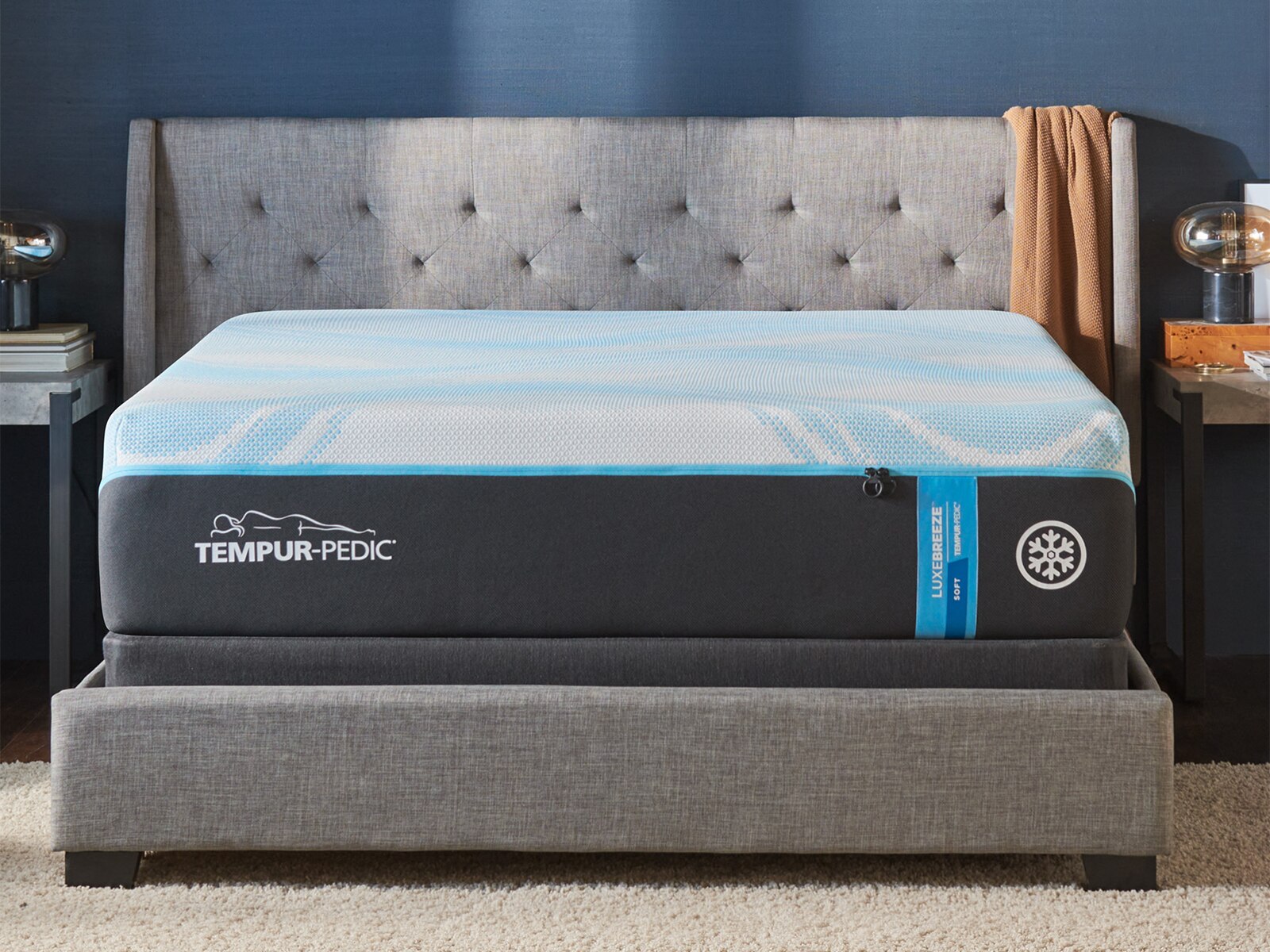
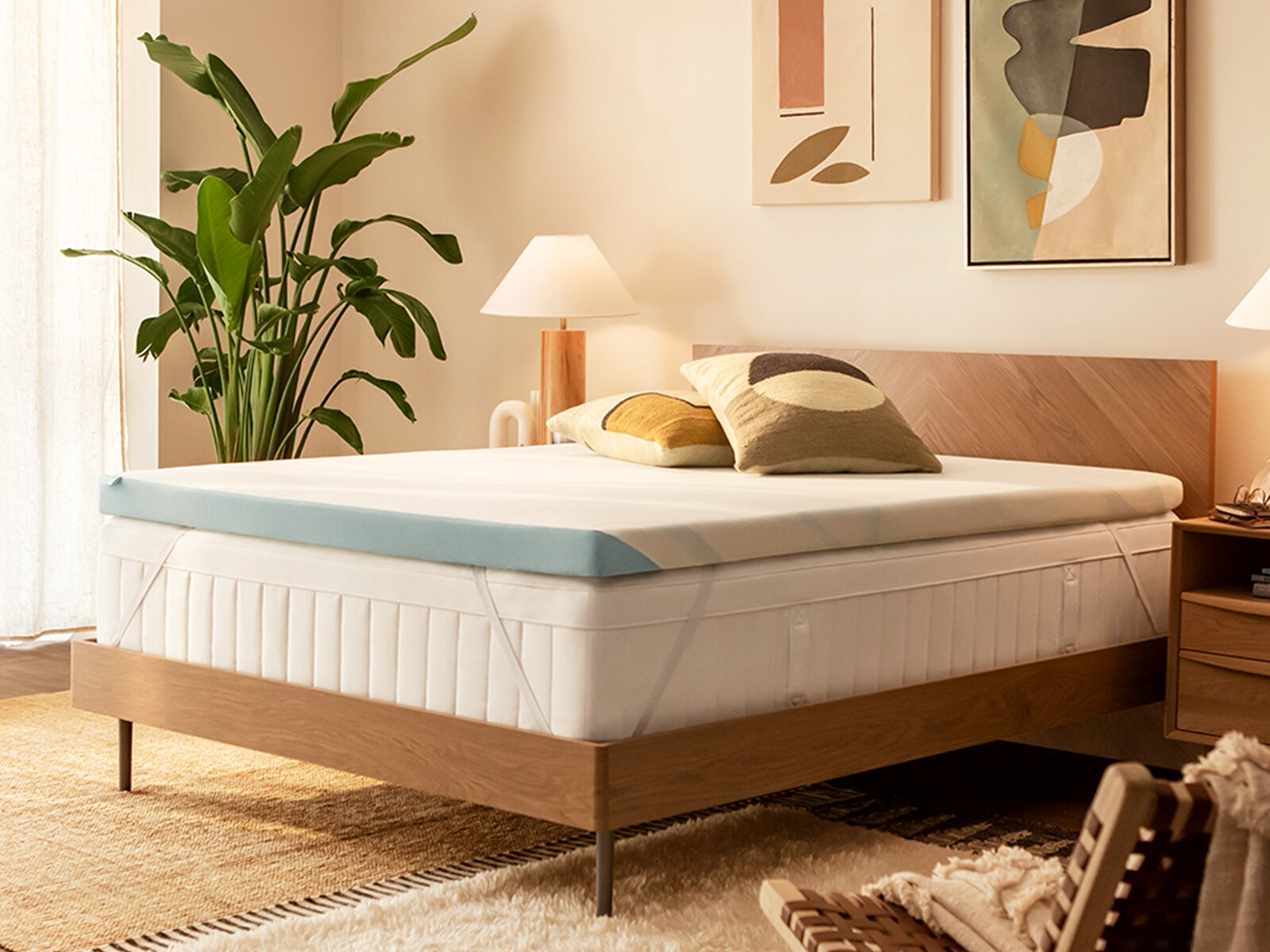
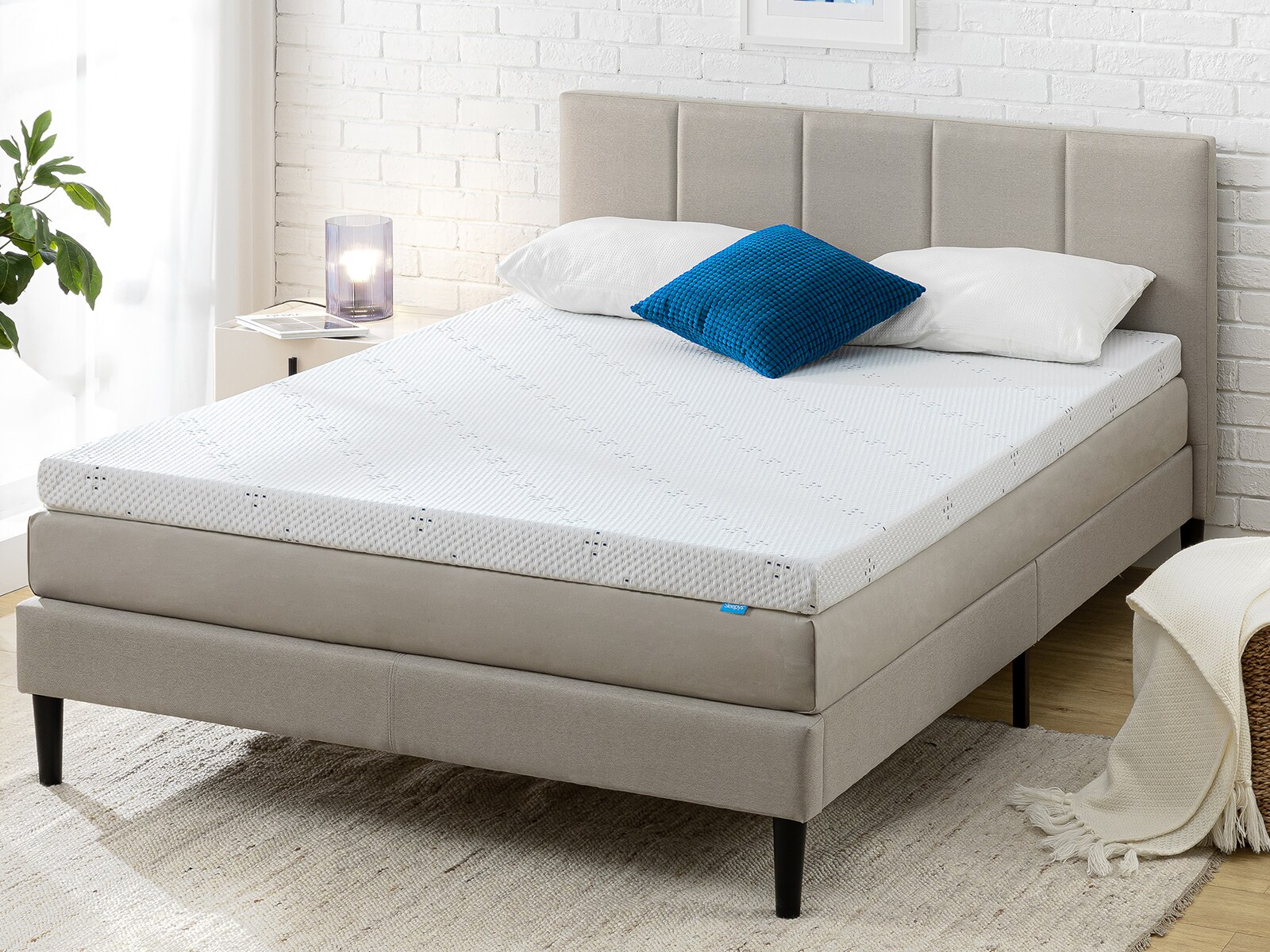
Soothing sleep toppers add a layer of cushioning to a mattress, helping adjust its surface feel without replacing the entire bed. They can soften a mattress that feels too firm, create a more gently contouring place to rest or add plushness to a supportive sleep surface. The most suitable feel depends on both the topper and the mattress beneath it: a thick, soft layer over a yielding mattress will feel different from that same layer over a firm, even foundation. Memory foam tends to respond gradually to body weight, cradling the shoulders and hips with a close, settling sensation. Latex generally feels more buoyant, compressing under pressure while recovering quickly as a sleeper changes position. Fiberfill, down and feather constructions offer a pillowy feel with less contouring, although their loft and maintenance needs vary. Wool-filled options can provide gentle padding and help manage moisture, with their feel depending on the amount of fill and the cover construction. These differences matter in everyday use. Someone who sleeps on one side may appreciate cushioning where the shoulder presses into the bed, while a back sleeper may prefer a more subtle layer that does not let the pelvis sink too deeply. Stomach sleepers often need particular care with added softness because excessive sinking around the middle can make a comfortable position harder to maintain. For sleepers who turn frequently, a responsive surface may make repositioning feel easier than deeply contouring foam. Thickness alone does not determine comfort, and a taller topper is not automatically more supportive. Materials, construction, body weight and personal preferences all shape the result. A soothing feel should still allow the body to rest in a comfortable, reasonably aligned position. Toppers work best as comfort adjustments for mattresses that remain structurally sound; they cannot repair broken components, eliminate deep impressions or restore support to a sagging bed.
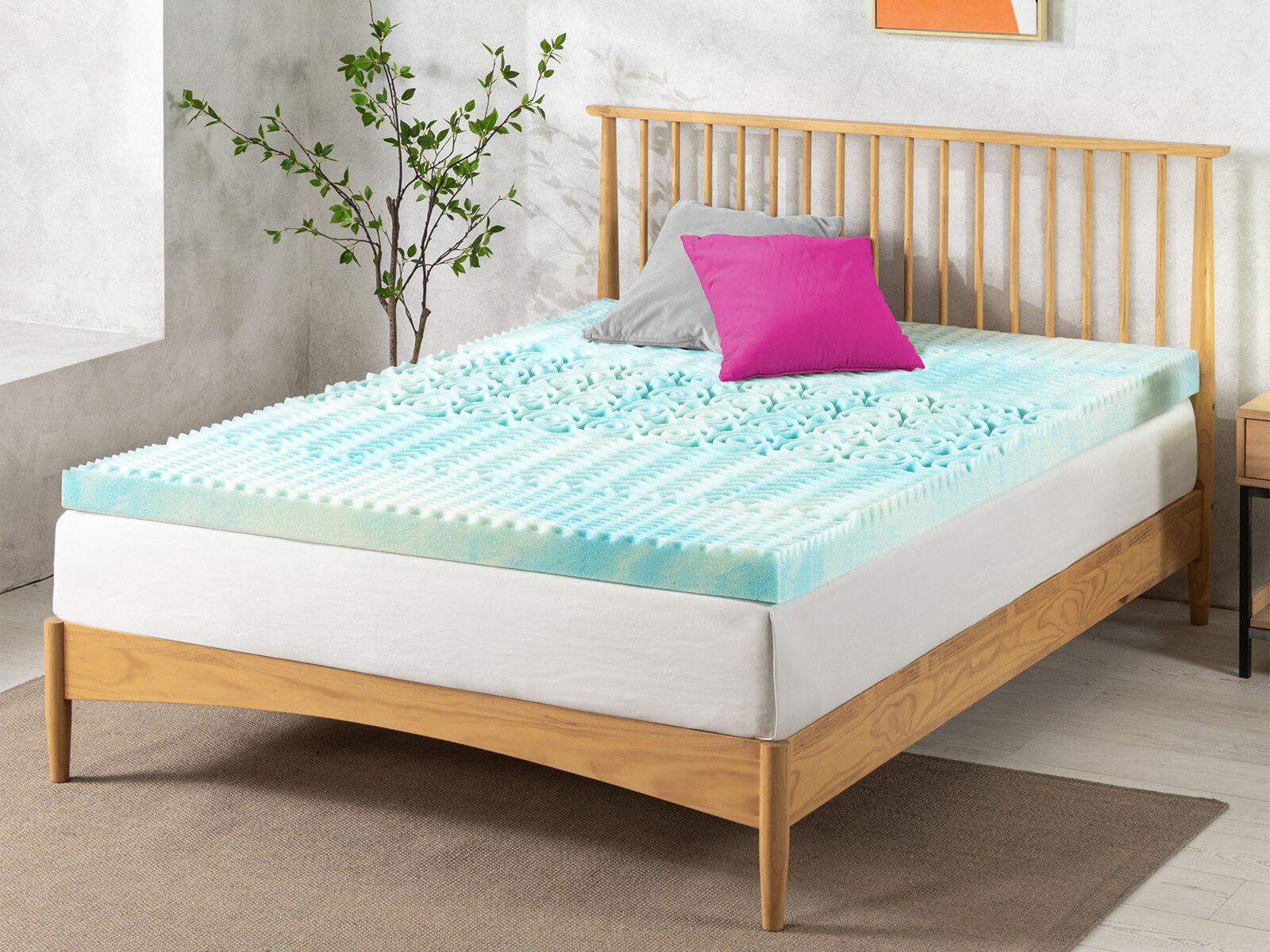
Materials and construction influence how a topper feels beyond the first few minutes of lying down. A removable knit cover may stretch with the cushioning beneath it, while a quilted cover can add a more padded surface. Some foam designs include perforations or channels intended to encourage airflow, and certain covers use fabrics designed to move moisture away from the body. Cooling features vary, so breathable construction is worth considering alongside sheets, mattress protectors and other bedding rather than expecting a topper to control the entire sleep environment. Memory foam can also soften with body warmth, which may make its settled feel different from the initial touch. Latex usually has a springier response, though firmness varies by formulation and construction. Filled toppers may compress where the body rests and need regular fluffing to redistribute their contents. For someone who enjoys a gently cushioned surface but dislikes a pronounced sinking sensation, a thinner layer or a more responsive material may be a better match. Common topper thicknesses range from about one to four inches, with thicker designs generally making a more noticeable change to the bed’s feel. Fit deserves equal attention. The topper should match the mattress size and lie flat, without hanging over the edges or leaving a substantial uncovered strip. Checking actual measurements is useful because dimensions and corner shapes can vary slightly. Added height also changes the fit of bedding: a deep mattress combined with a thick topper may need deeper-pocket fitted sheets and a protector sized for the full stack. Corner straps, elastic skirts or textured undersides can help limit shifting, depending on the design. A stable fit is especially helpful for someone who changes positions often or regularly sits along the edge while getting dressed. Couples should consider how the added layer affects both sides of the bed, including ease of movement and how much each person sinks into the surface. A topper changes the feel of the mattress beneath it rather than creating an entirely separate support system.
Everyday care helps preserve the comfort and shape of a sleep topper. Care requirements depend on the fill, cover and construction, so the attached care label should take priority over general cleaning advice. Some removable covers can be machine washed, while foam cores typically require careful spot cleaning and should not be saturated. A washable cover does not necessarily mean the entire topper can go into the washing machine. Down, feather, wool and synthetic-fill designs may have their own washing or professional-cleaning requirements, and thorough drying is important before any cleaned bedding returns to the bed. A compatible mattress protector can help reduce exposure to spills and perspiration, provided it fits without pulling the topper out of shape. Occasional rotation may help distribute wear when permitted by the manufacturer, while filled styles may benefit from fluffing to restore loft. Foam should not be folded tightly or stored under heavy objects unless its care instructions allow it. Durability depends on material quality, construction, sleeper weight, frequency of use and maintenance; thickness by itself is not a reliable measure of useful life. Persistent flattening, torn fabric or cushioning that no longer recovers can signal that a topper is no longer providing its intended comfort. These layers can suit a primary bedroom, a guest bed that feels firmer than visitors prefer or a college mattress that needs a more welcoming surface. As a gift for someone setting up a bedroom, a topper is most thoughtful when the recipient’s mattress dimensions, comfort preferences and care routine are already known. It should complement a bed that still provides sound support, not conceal a foundation that needs attention. When unevenness or loss of support comes from the mattress itself, exploring
Soothing Mattresses may be a more suitable next step. The goal is a sleep surface that feels reassuringly comfortable when settling in and remains comfortable through ordinary changes in position.