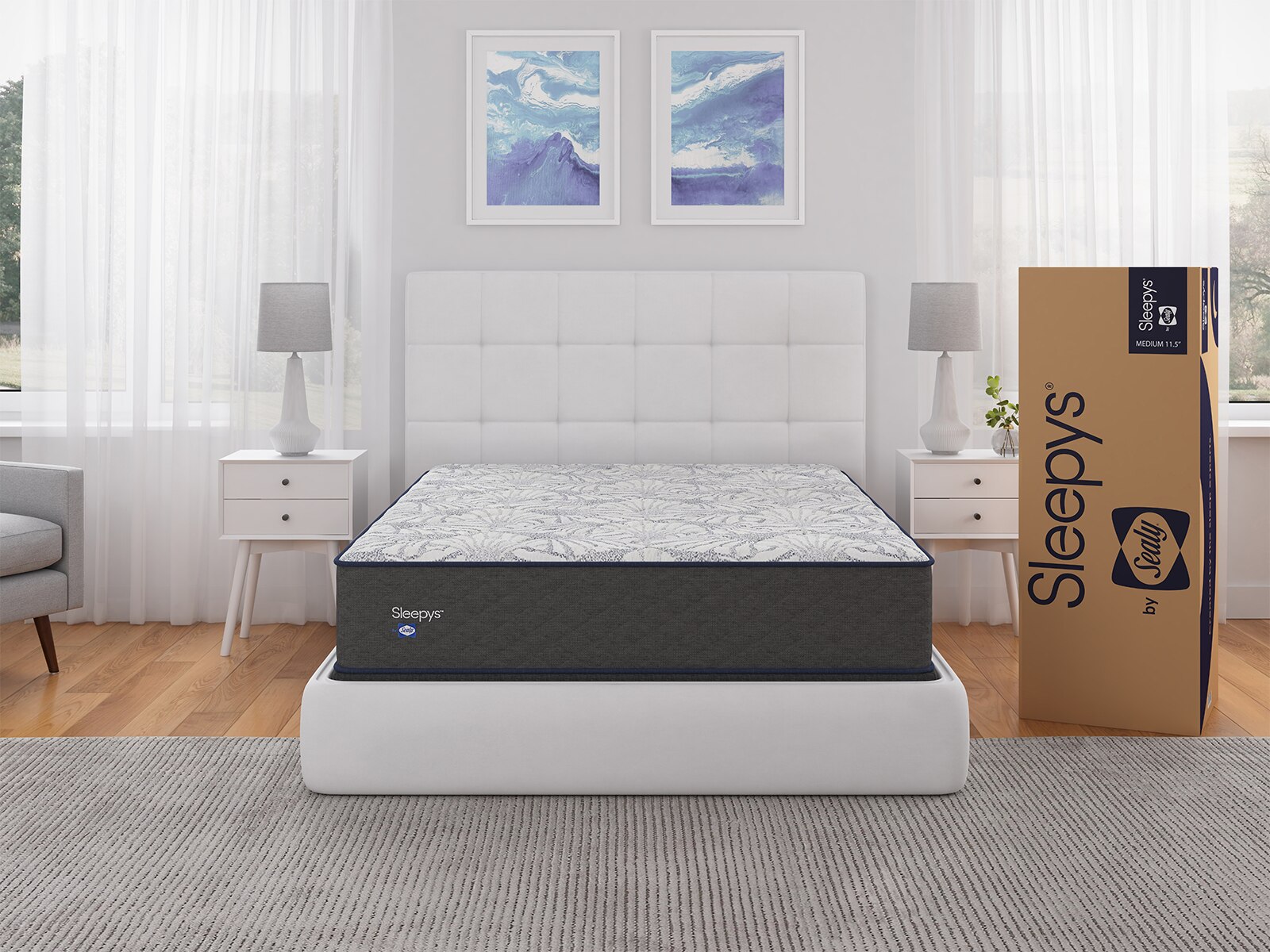
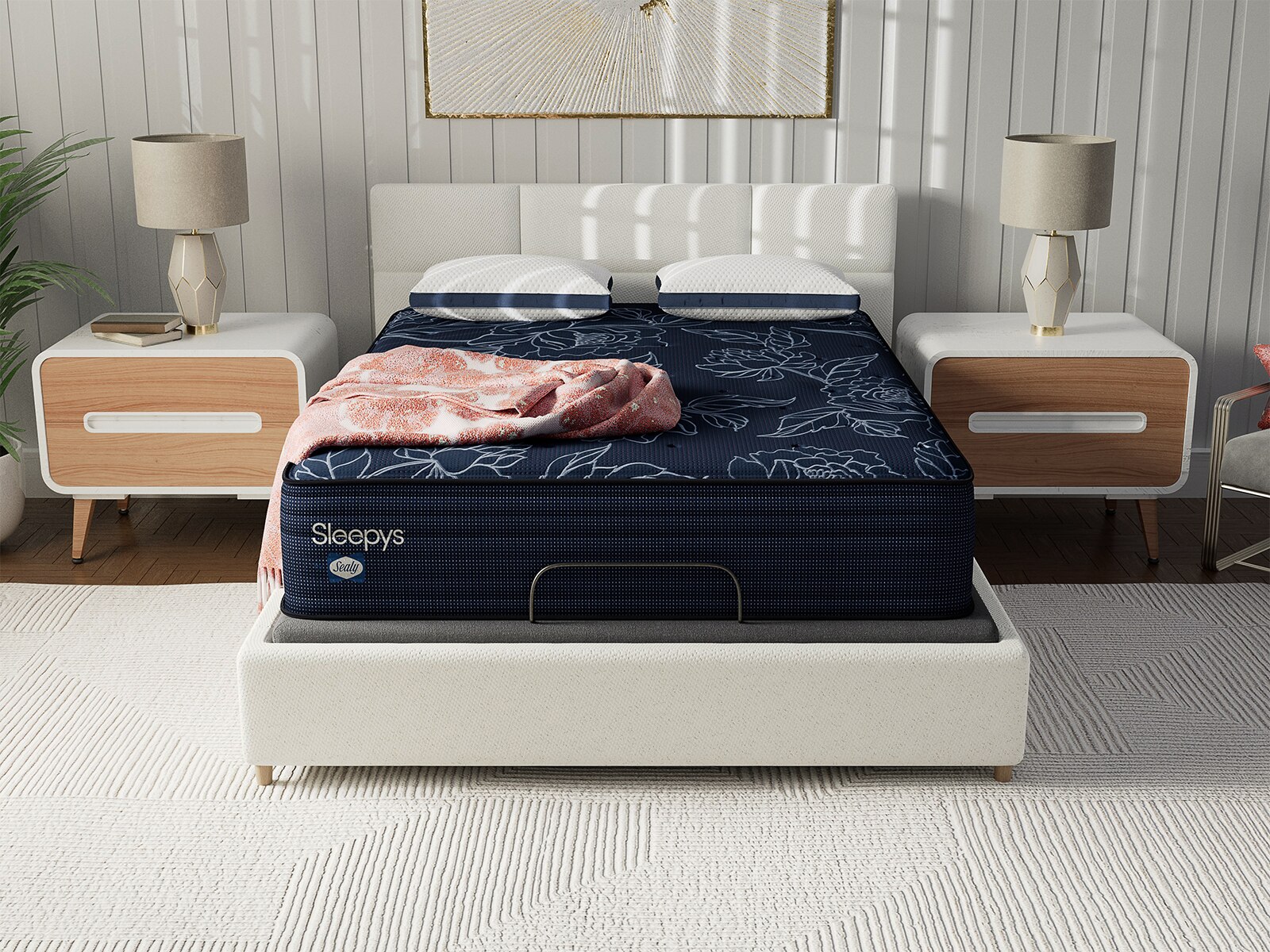
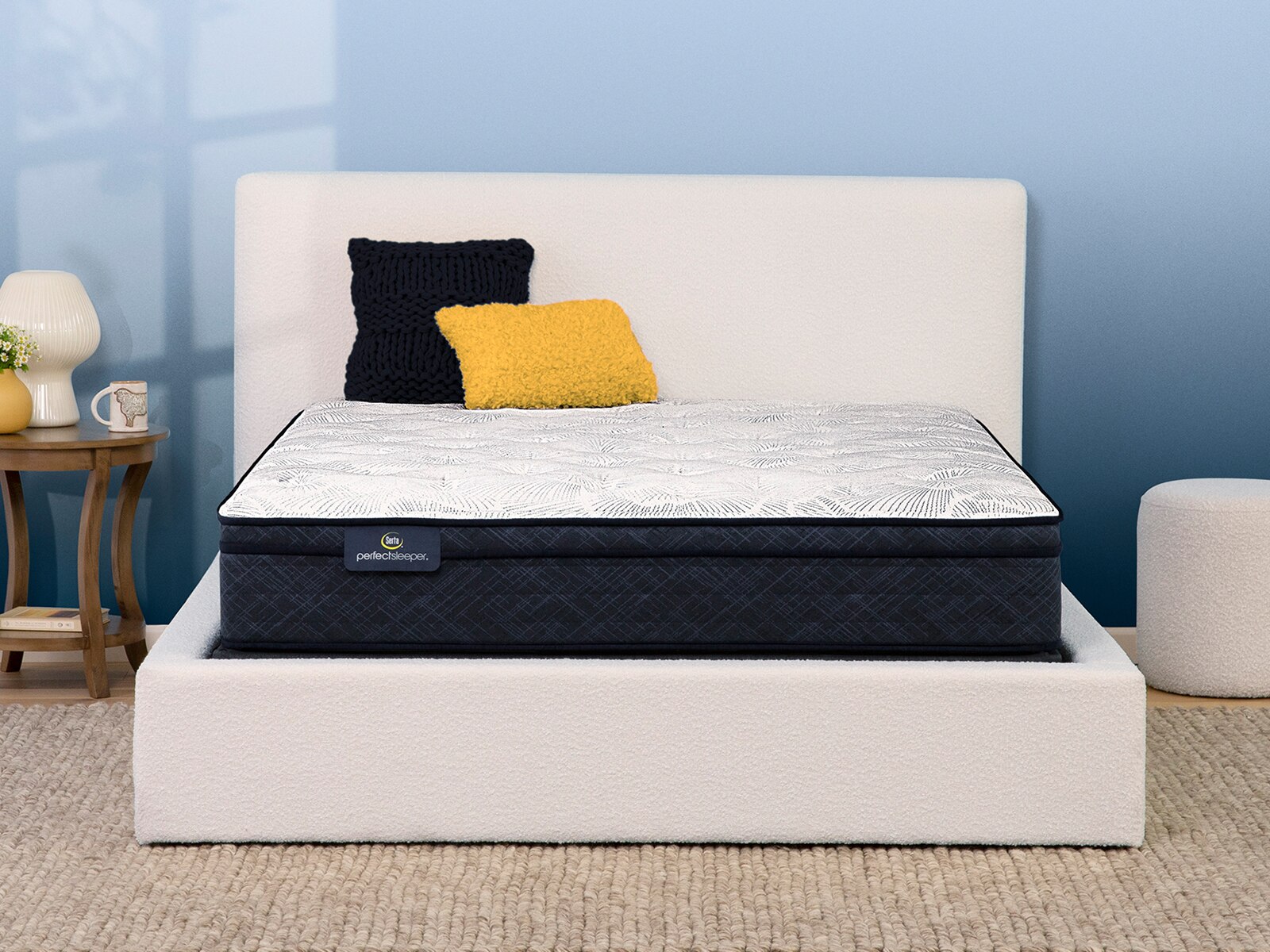
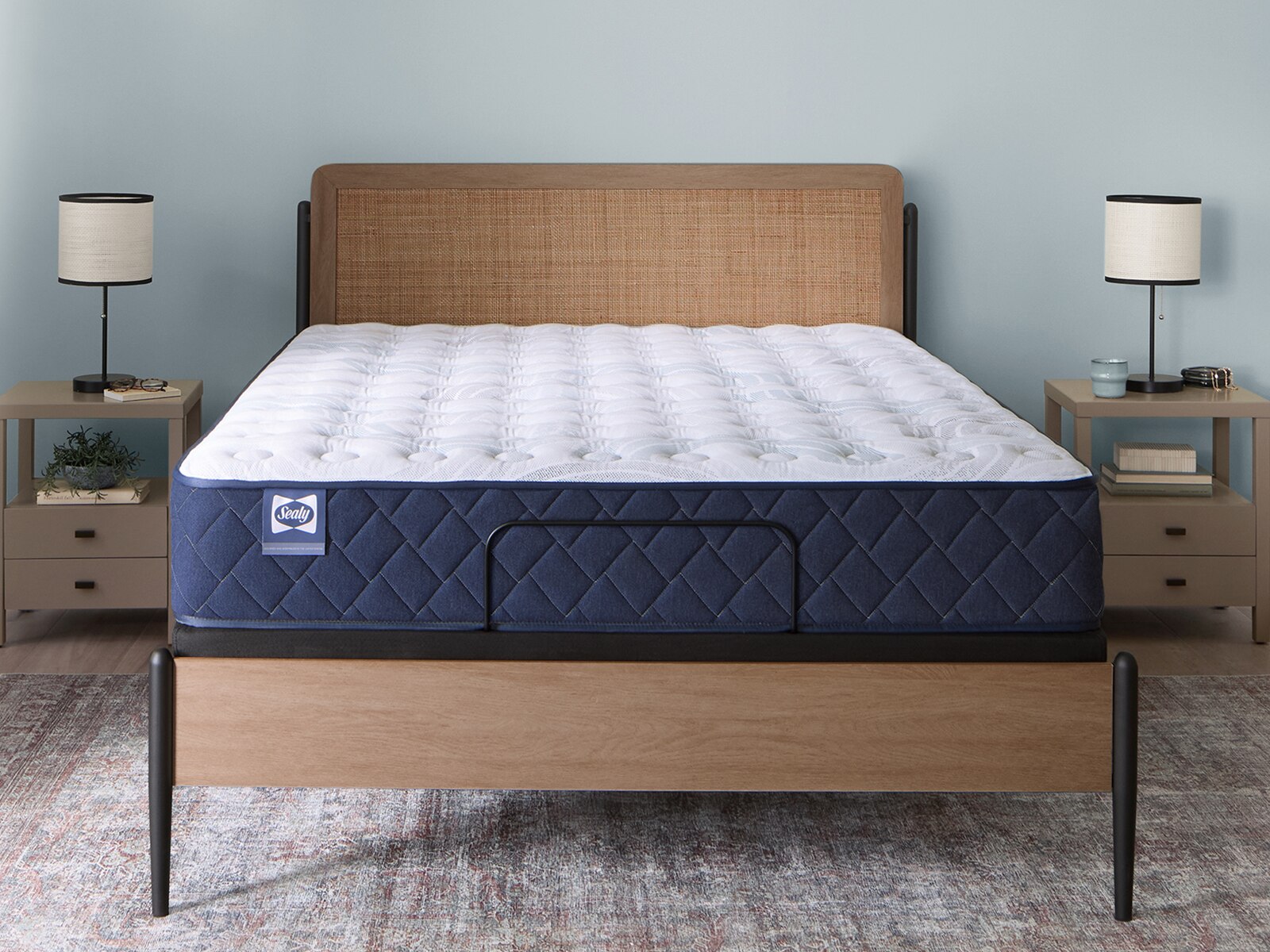
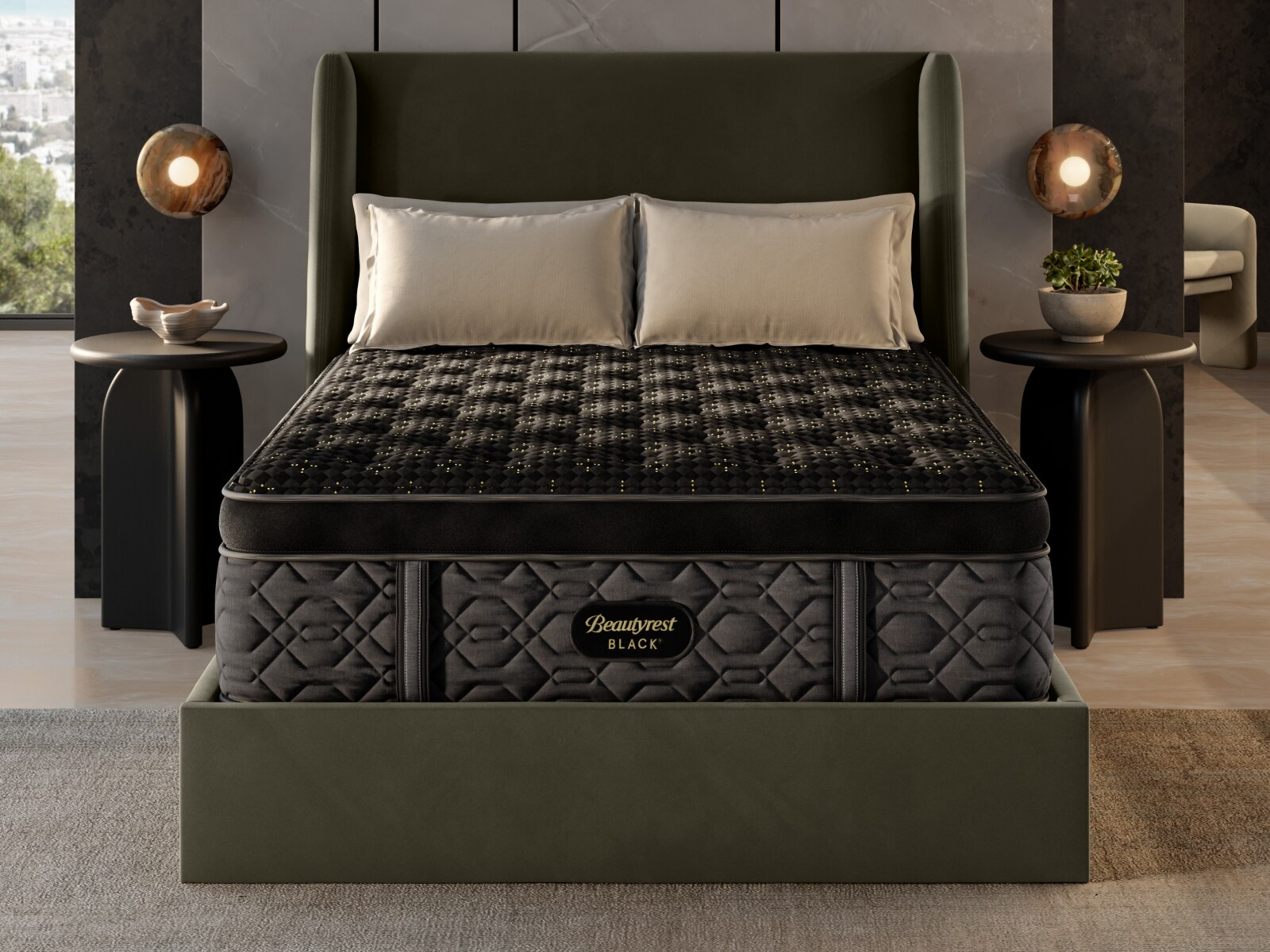
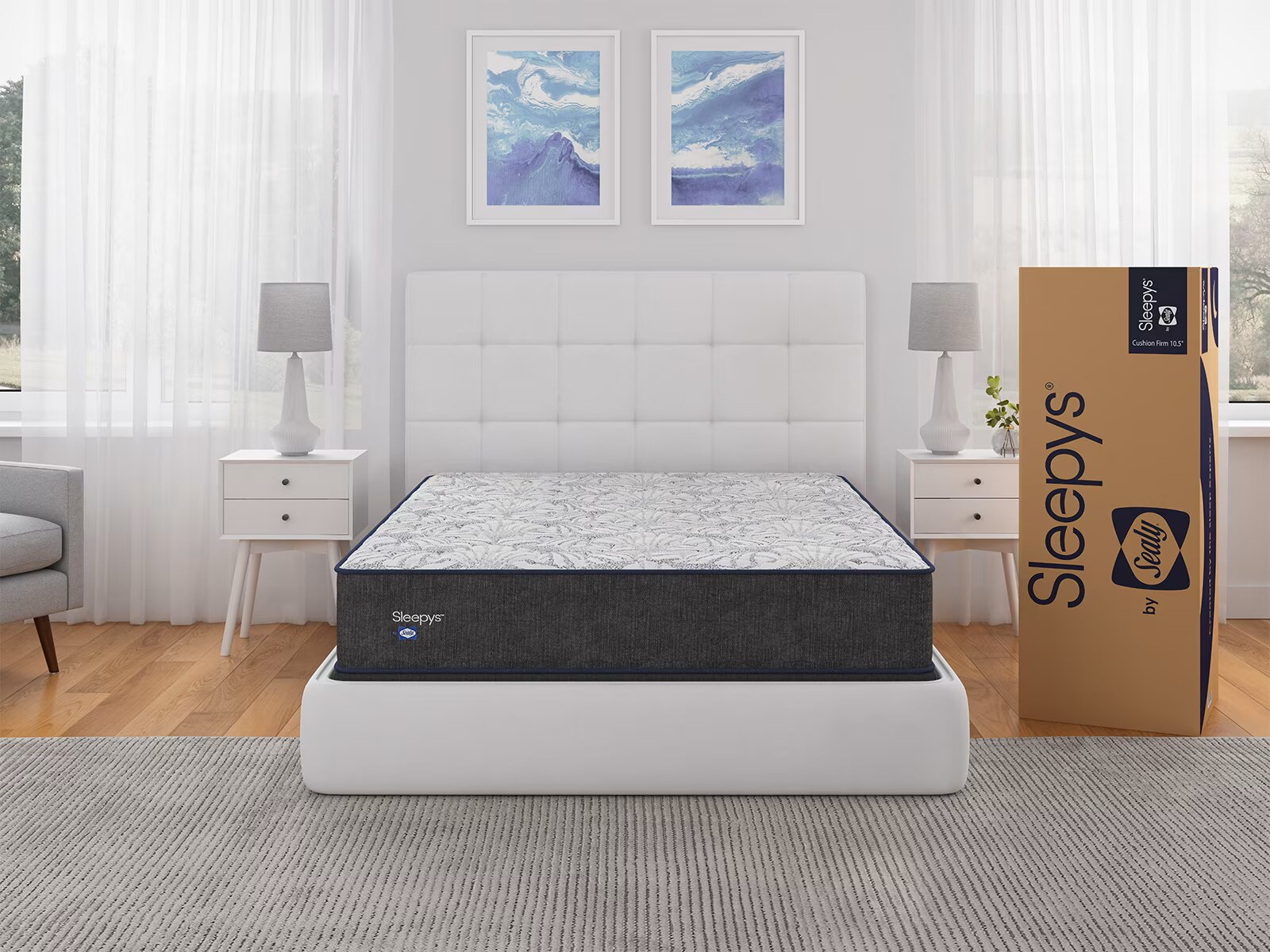
Spring mattresses for premium comfort combine a resilient coil support system with cushioning that helps the body settle comfortably without losing the responsive feel of a traditional mattress. The springs provide the underlying structure, while the layers above them influence how gently the surface cushions shoulders, hips and other pressure-sensitive areas. Traditional innerspring mattresses typically place relatively thin comfort layers over a coil unit, creating a buoyant feel that makes changing positions easier. Hybrid mattresses pair springs with more substantial layers of foam, latex or other cushioning materials for a closer-contouring surface. Individually wrapped coils can respond separately to pressure, helping the mattress adapt to the sleeper’s shape and limiting some movement across the bed. Connected coil systems tend to feel more uniform and springy, though they may transfer more motion between partners. Neither construction tells the whole comfort story: coil design, cushioning quality and the way the layers work together matter more than a single feature. Memory foam generally provides a slower, more enveloping sensation, while latex tends to respond more quickly when someone rolls over. Quilted fiber layers can add a softly padded finish without the same sinking sensation as thick memory foam. Pillow tops create an additional cushioned surface, while Euro tops are generally sewn flush with the mattress edges for a more tailored appearance. Either style can feel plush or relatively firm depending on the materials beneath the cover. Breathable cover fabrics and space within the coil unit can support airflow, although bedding, protectors and the depth of the comfort layers also affect how warm the bed feels. Cotton and wool may contribute to moisture management when included in the cover or quilting. Premium comfort comes from the balance of these elements rather than an especially tall profile or an unusually high coil count. A well-matched spring mattress should feel inviting at first contact while continuing to provide steady support as the sleeper settles into a familiar position.
The right balance of cushioning and support depends on sleeping position, body size and the way the bed is shared. Side sleepers often appreciate enough surface softness for the shoulder and hip to sink slightly without the waist feeling unsupported. Back sleepers may prefer a more even cradle that supports the lower back without allowing the pelvis to settle too deeply. Stomach sleepers generally benefit from a surface that limits excessive sinking around the midsection, although individual comfort preferences still matter. A mattress described as medium firm can feel noticeably firmer to a lighter person and softer to someone with a larger frame, so firmness labels are useful starting points rather than universal measurements. Support and firmness are also different qualities: a cushioned surface can sit above a sturdy support system, while a firm-feeling surface does not automatically provide the right fit. Zoned coil arrangements vary support across different areas of the mattress and may help balance cushioning with resistance beneath heavier parts of the body. Their usefulness depends on how those zones line up with the sleeper’s proportions. For couples, motion isolation becomes especially noticeable when one person turns frequently or gets out of bed earlier. Individually wrapped springs paired with motion-absorbing comfort layers can help reduce that disturbance, though no spring construction eliminates every movement. Reinforced edges may provide a steadier feeling when sitting to put on socks or sleeping near the perimeter. They do not increase the mattress’s dimensions, but they can make more of its surface feel usable. Size deserves equal attention: a queen may suit a shared bedroom, while a king provides more room for partners who stretch out or sleep with different schedules. Mattress height also changes the everyday experience. A thick pillow top on a tall foundation can make getting into bed awkward, while a lower setup may be less comfortable for someone who prefers to sit with both feet resting on the floor. Overall bed height matters as much as the mattress profile alone.
Lasting comfort also depends on what supports and protects the mattress after it reaches the bedroom. Spring mattresses need a compatible foundation or bed frame that distributes weight as the manufacturer specifies; slat spacing, center support and weight limits can all affect performance. An older foundation that looks intact may still have worn or uneven areas, so its condition deserves attention when replacing a mattress. Adjustable bases require a mattress specifically designed to flex with them, since not every spring construction is suitable. A properly fitted protector helps shield the sleep surface from spills and everyday moisture, while breathable sheets allow the cover and comfort layers to function without unnecessary bulk. Deep mattresses may need deeper fitted-sheet pockets to keep the corners secure without pulling the surface tightly. Routine care is usually straightforward: follow the care label, address spills promptly and let cleaned areas dry fully before replacing bedding. Saturating upholstery can leave moisture inside the comfort layers. Rotation may help distribute wear when the manufacturer recommends it, but many mattresses have a one-sided construction and should not be flipped. Handles, when present, may be intended for positioning rather than lifting the full weight of the mattress. Over time, shallow impressions can develop as cushioning settles; a lasting dip, damaged edge or noticeable change in support deserves closer attention. No mattress material remains unchanged indefinitely, and durability depends on construction, use and consistent support rather than firmness alone. For a primary bedroom, the most useful features are those that fit nightly habits, whether that means easier movement, gentler cushioning or a steadier perimeter. A guest bedroom may benefit from a balanced feel that accommodates varied sleeping preferences. The
Spring Mattresses For Fall Comfort collection provides another place to explore coil-supported comfort. Across spring mattress designs, the goal remains a comfortable combination of responsive support, appropriate cushioning and practical details that make settling into bed feel natural.