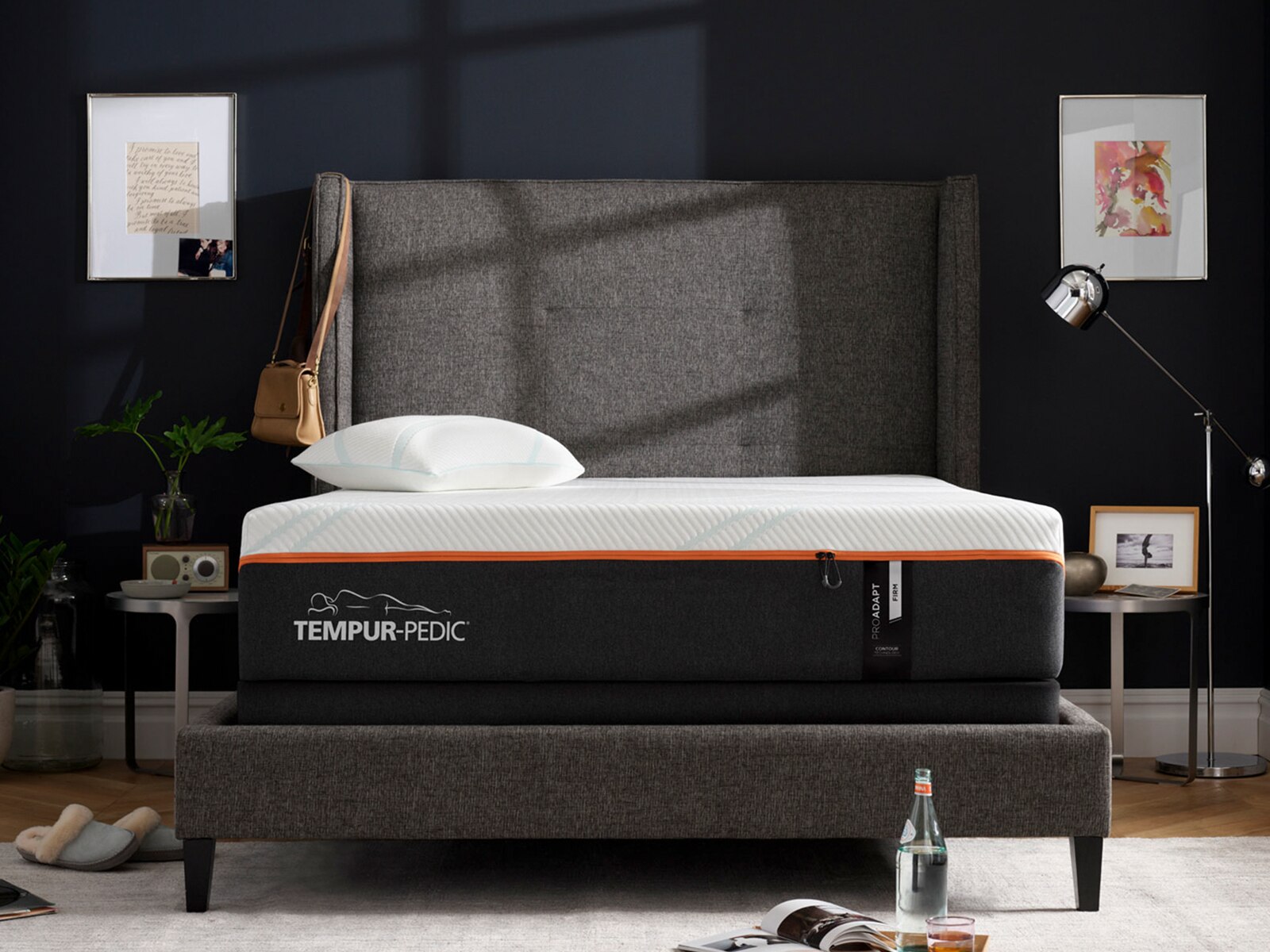
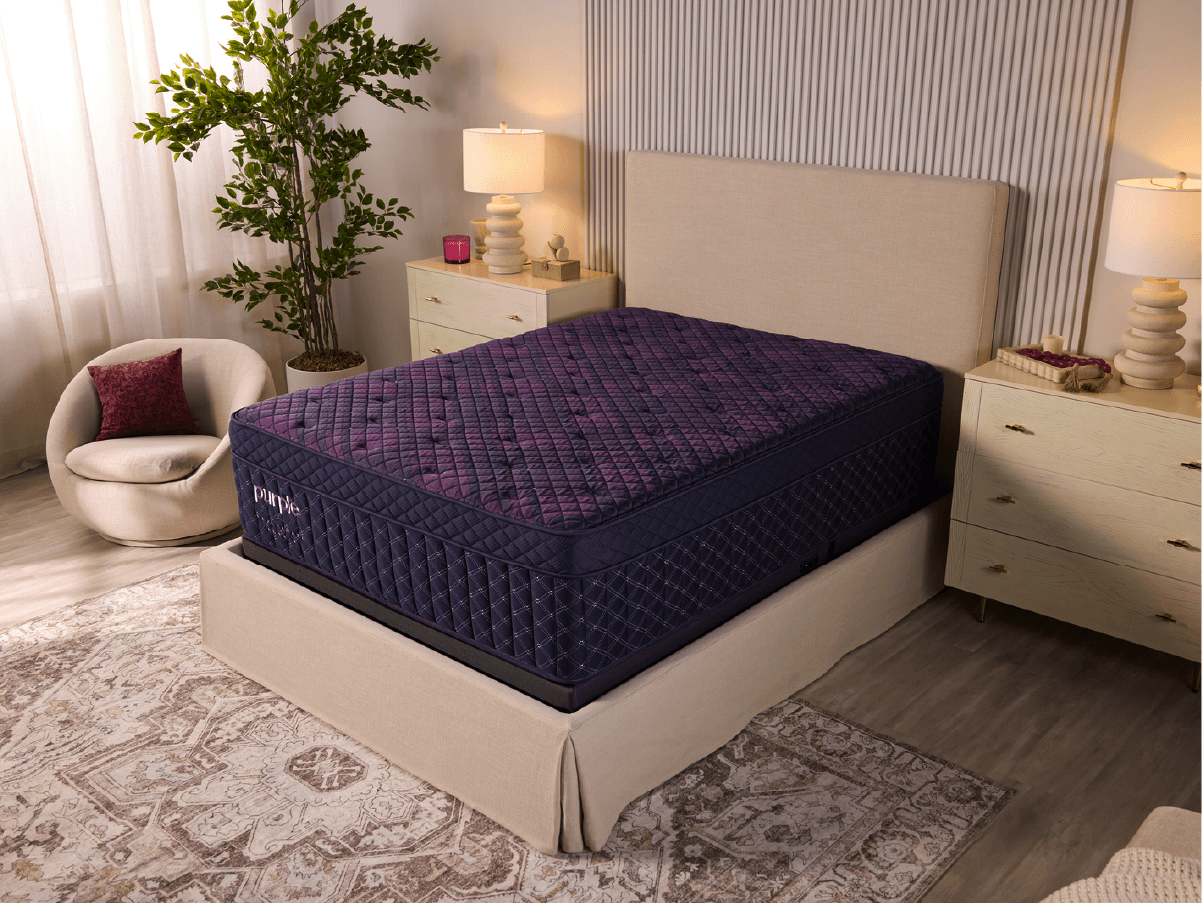
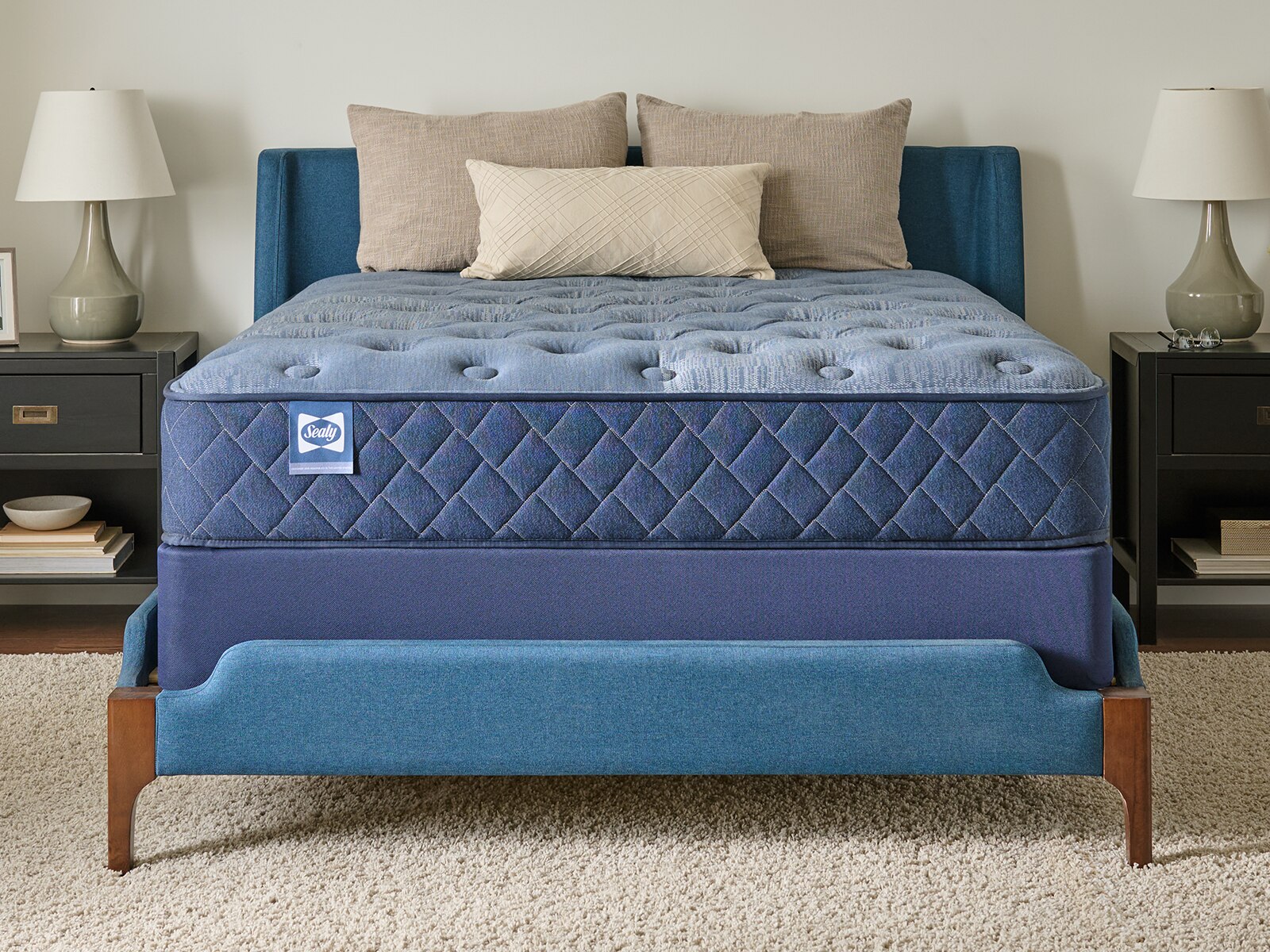
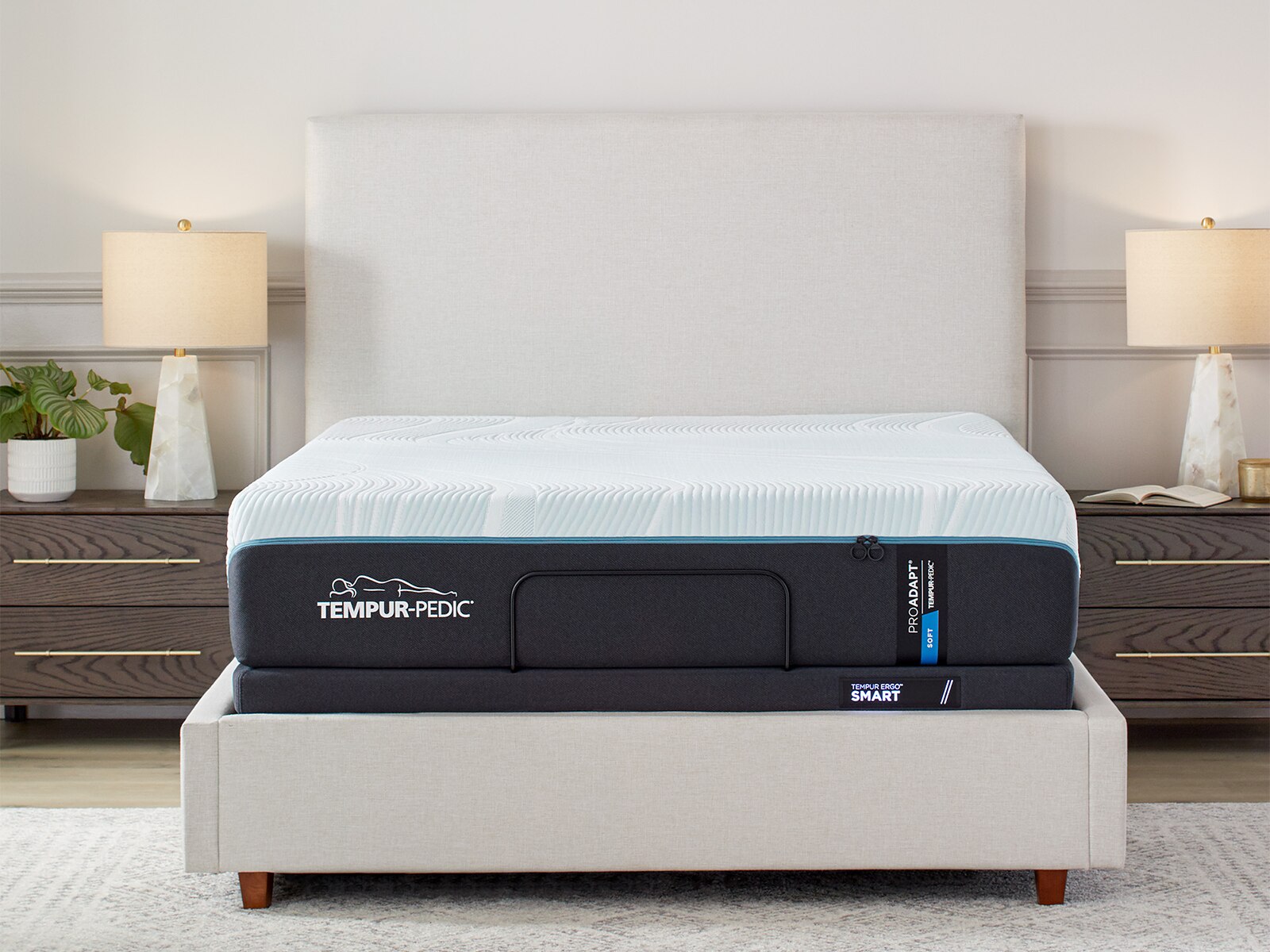
A mattress that suits your body shape balances contouring and support according to your weight, proportions and sleep position. Body shape mattresses are not defined by one material or firmness level; the important distinction is how the sleeping surface responds beneath the shoulders, waist and hips. A comfortable fit allows broader or more prominent areas to settle into the surface while supporting the spaces between them, helping the spine rest in a natural position. For a side sleeper with wider hips, that may mean enough cushioning to let the hips sink in without leaving the waist unsupported. Someone with broad shoulders may need additional give through the upper portion of the mattress, especially when sleeping on one side. Back sleepers generally benefit from a surface that cushions the hips while maintaining support through the lower back. Stomach sleepers often need a steadier feel beneath the midsection to limit excessive sinking. Body weight changes how these features feel: a lighter sleeper may experience less contouring on a firm surface, while a heavier sleeper may compress the same comfort layers more deeply. Still, weight alone does not determine the best fit. Two people of similar weight can carry it differently, prefer different sleep positions and experience the same mattress in distinct ways. Firmness describes the surface feel, while support describes how effectively the mattress holds the body; a plush surface can have a supportive core, and a firm surface is not automatically the most supportive choice. When comparing options, spend time in the position used most often at home rather than judging comfort while sitting on the edge. Notice whether the shoulder feels crowded, whether the hips sink noticeably farther than the torso and whether turning over takes effort. A useful starting point is a mattress that feels gently accommodating rather than one that leaves the body perched on top or deeply enclosed. The goal is balanced contact across the body, not the deepest possible impression.
Materials influence how a mattress achieves that balance. Memory foam typically contours gradually under pressure, creating a close-fitting surface that can cushion the shoulders and hips while limiting the transfer of movement across the bed. Its feel varies with the foam formulation, layer thickness and construction beneath it. Responsive polyfoam can provide cushioning with less of a slow-settling sensation, while latex often has a buoyant feel that compresses under the body and rebounds readily when a sleeper changes position. Neither a material name nor a thick comfort layer guarantees the right match; the relationship between the cushioning and support layers matters more. Innerspring mattresses use coils as a support system, with comfort depending partly on the padding above them. Hybrid mattresses combine a coil support system with substantial foam or latex comfort layers, offering another approach to contouring and responsiveness. Individually wrapped coils can respond more independently than connected coil systems, although the overall feel still depends on the complete design. Some mattresses use targeted support zones, with differing levels of resistance beneath particular areas of the body. These zones may be helpful when their placement suits the sleeper’s height and proportions, but they will not feel identical to everyone. When comparing
Shape Adaptive Mattresses, consider both the initial cushioning and the support felt after settling into a familiar position. A surface that feels inviting for a few seconds may feel different once the hips and shoulders have fully settled. Combination sleepers may prefer enough responsiveness to roll from side to back without feeling held in place. Couples may also want to consider motion isolation, particularly when one person changes positions frequently or gets into bed later. Reinforced edges can make more of the surface feel usable and provide a steadier place to sit while getting dressed. These practical details help connect body-contouring comfort with the way a mattress is used every day.
Fit also includes the dimensions of the bed and the layers placed around it. A taller sleeper needs sufficient length to stretch out comfortably, while partners need enough width to change positions without continually moving toward the center or edge. Mattress thickness alone does not establish quality, support or suitability for a particular body shape. However, the total height of the mattress, foundation and frame affects how easily someone can sit down, stand up or place both feet on the floor. Check the manufacturer’s support requirements and weight limits, including any requirements for center support, slat spacing or an adjustable base. A compatible foundation helps the mattress perform as intended and can reduce uneven wear caused by inadequate support underneath. Pillows matter as well: when a shoulder settles farther into the mattress, the space between the head and sleeping surface changes. A pillow that worked well on a firmer bed may hold the head too high on a more contouring surface. A thick topper can also alter the balance of cushioning and support, so it is worth assessing the mattress itself before adding another layer. For durability, look beyond a plush first impression and consider construction details, material specifications and the intended frequency of use. Foam density and foam firmness describe different characteristics, so a higher-density foam is not necessarily harder. Consistent support, secure seams and an appropriate base all contribute to dependable everyday use. Follow the manufacturer’s care directions, rotating the mattress only when recommended and flipping it only if it is designed for use on both sides. A well-fitting protector helps shield the surface from spills and everyday buildup without adding a bulky layer that substantially changes the feel. Keep bedding clean and address spills according to the care label rather than saturating the mattress. Whether the bed is for one sleeper, a shared bedroom or a frequently used guest room, the most useful choice brings together suitable proportions, manageable upkeep and comfort that remains balanced through ordinary changes in sleeping position.