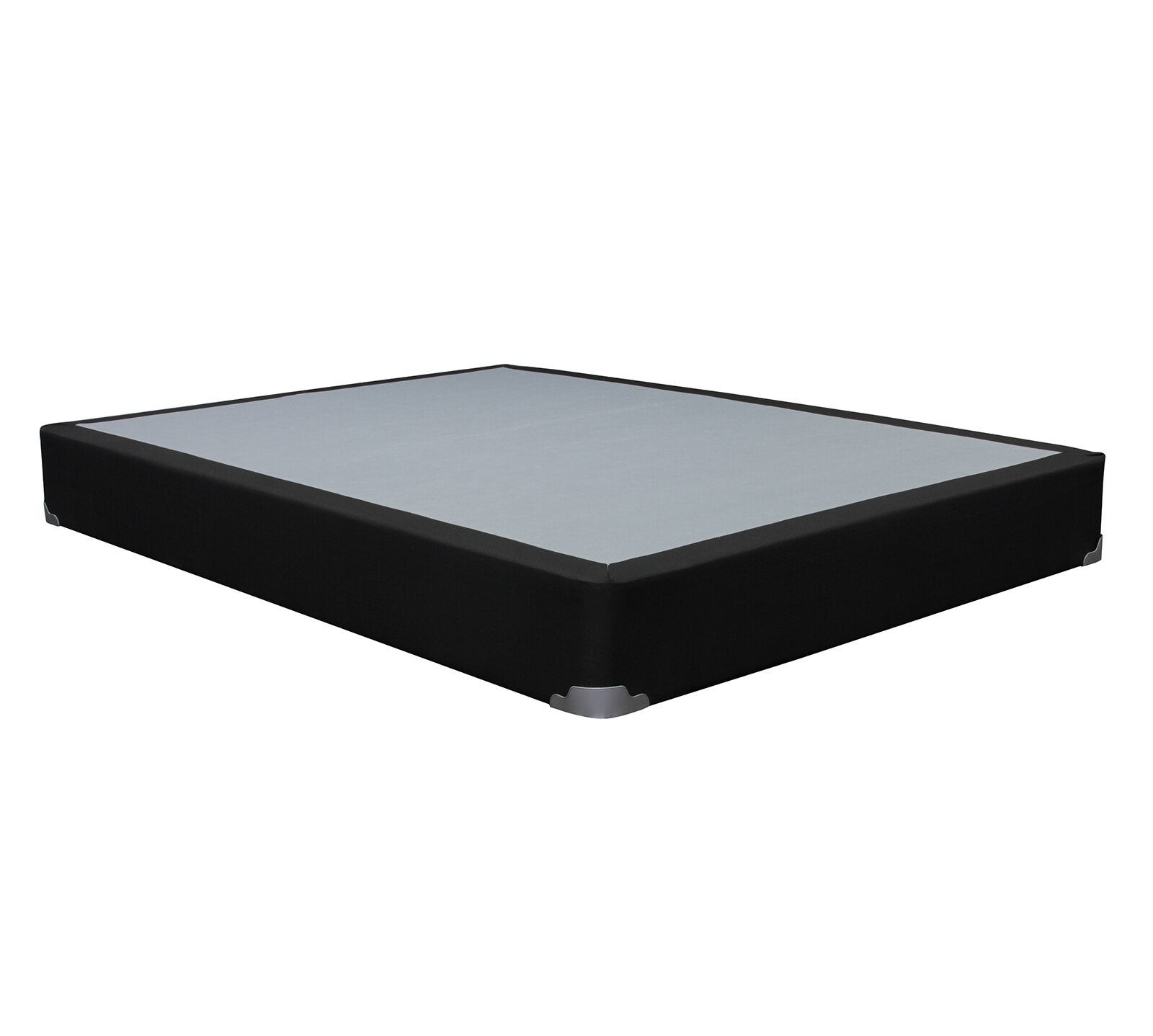
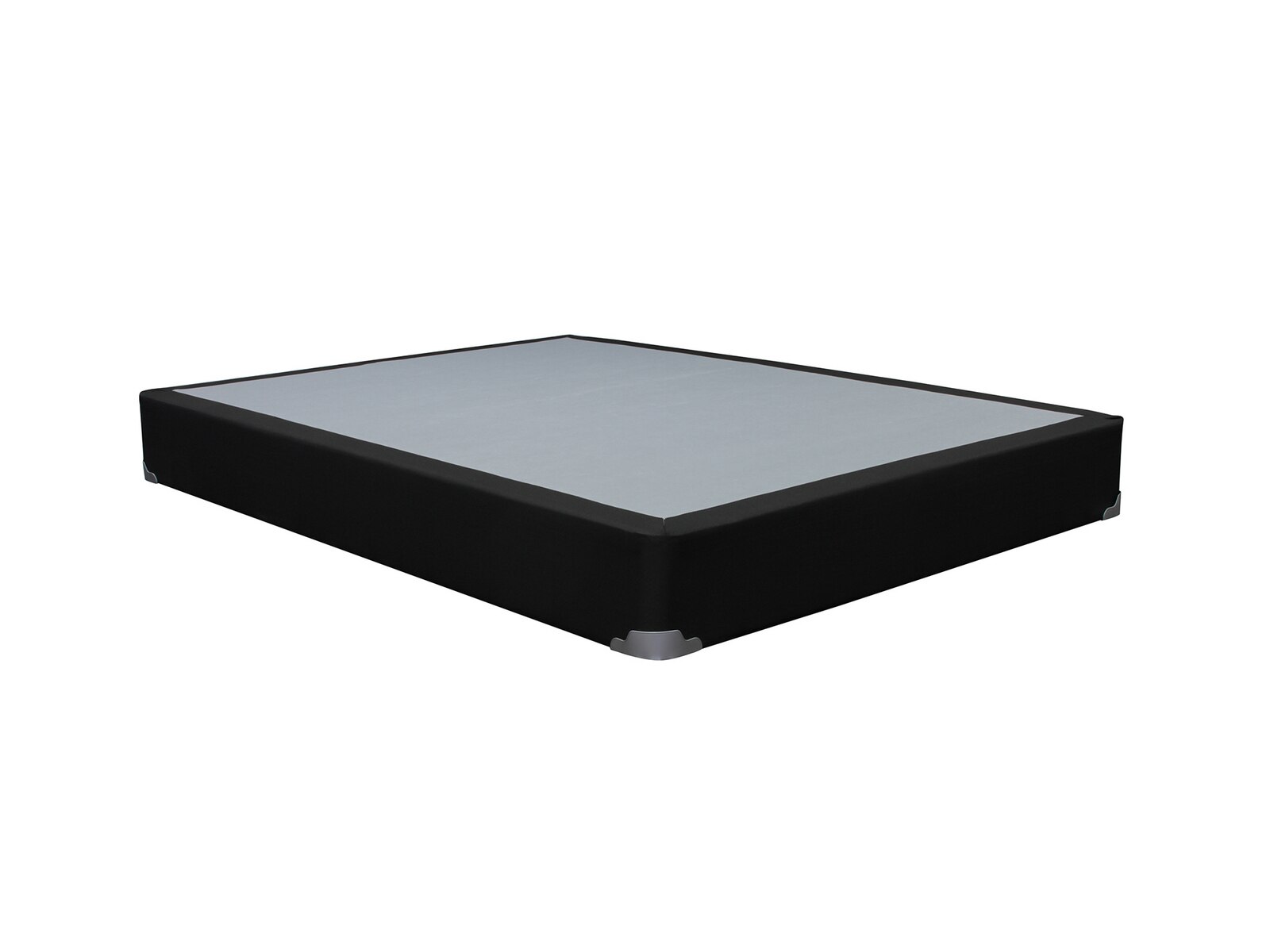
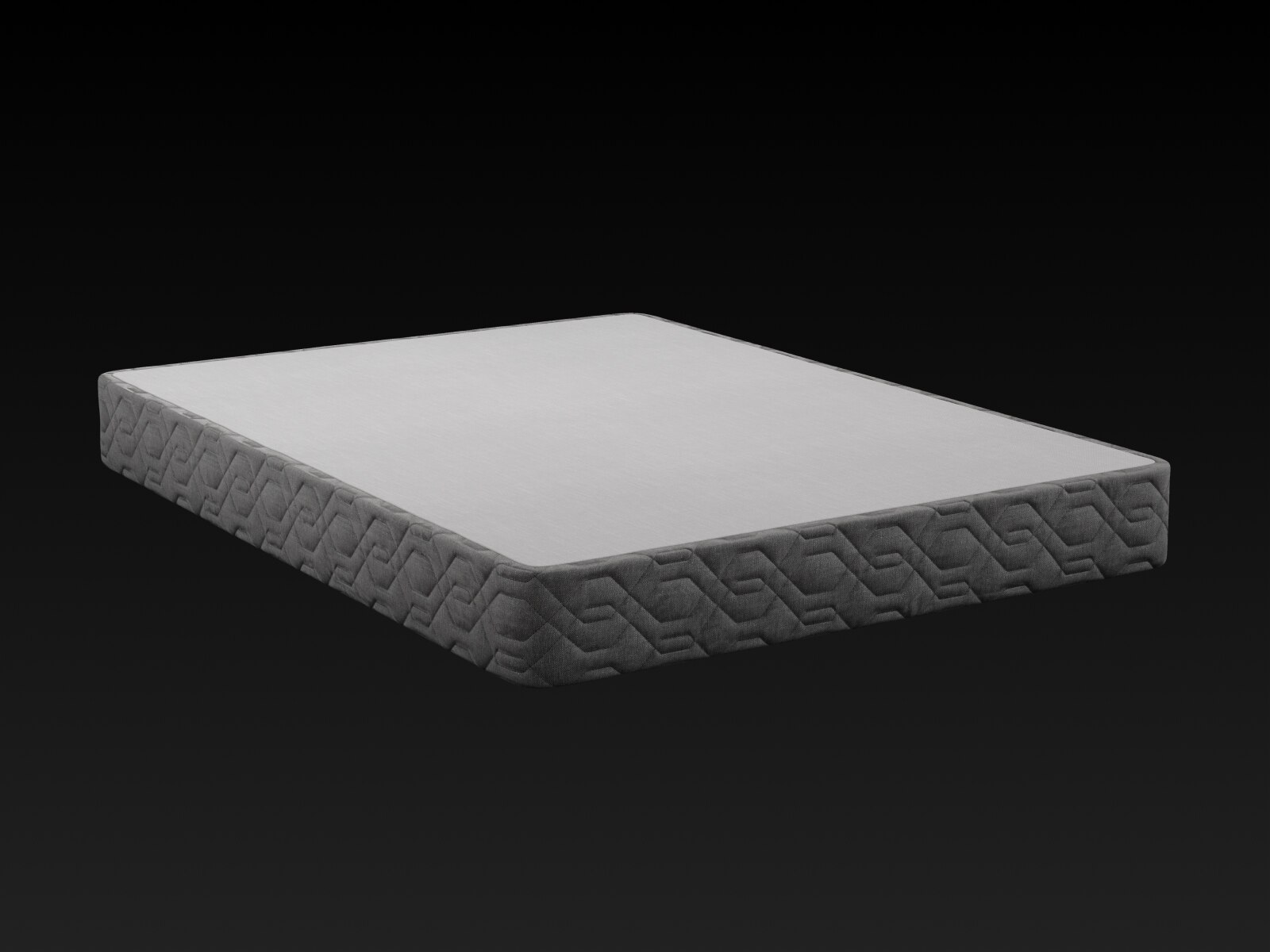
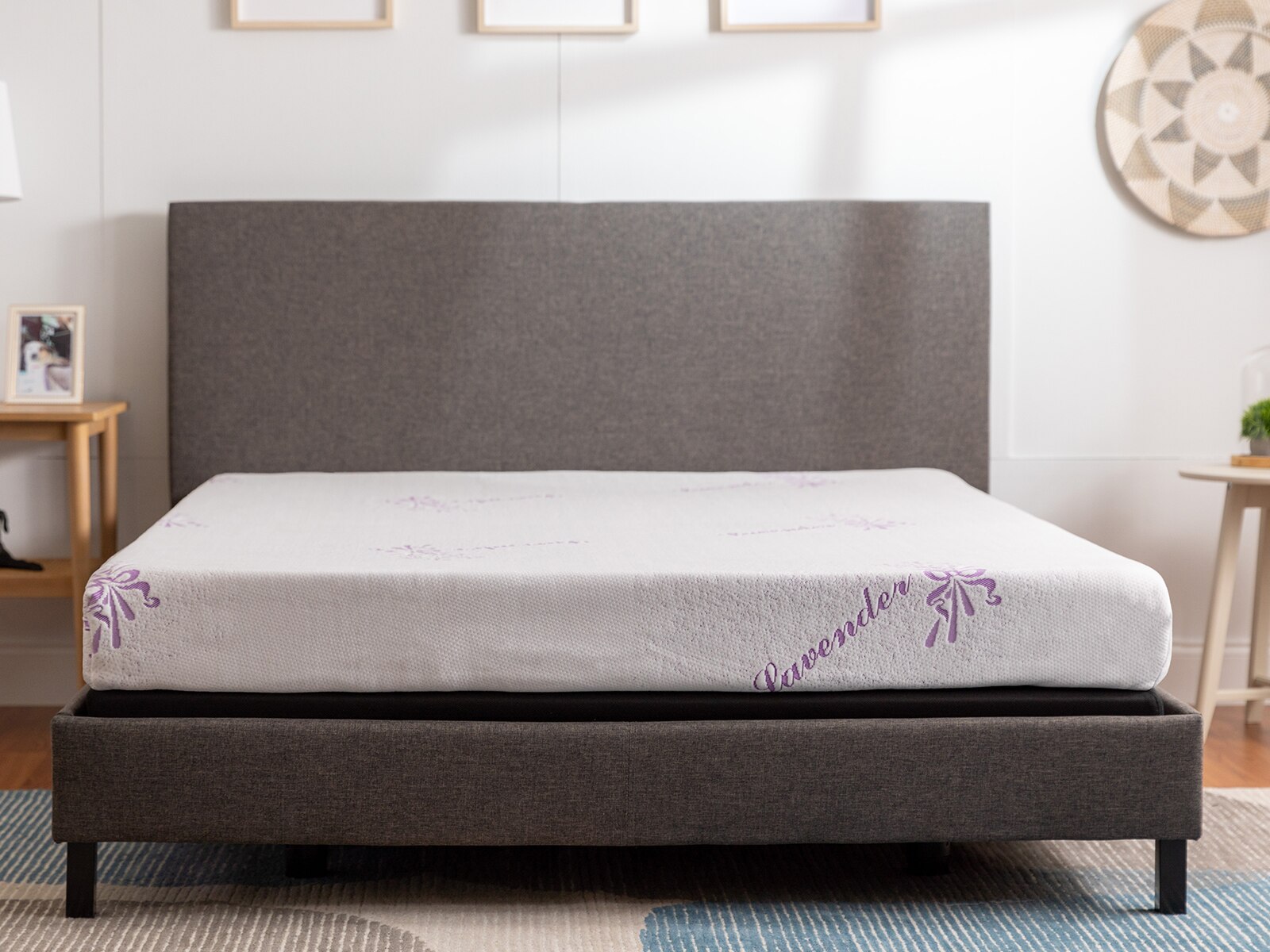
Choosing between a regular and a low profile box spring often comes down to personal preference, room design, and the practical needs of your sleeping space. The average box spring height for a traditional model is typically 8 to 9 inches, which has long been the standard for elevating beds to a classic, comfortable level. This height not only supports your mattress but also creates generous under-bed storage—ideal for stowing away extra linens, out-of-season clothing, or keepsake boxes. Many people find that a regular box spring pairs perfectly with thinner mattresses or frames that sit lower to the ground, helping to achieve that familiar, inviting bed height that’s easy to slip into after a long day. If you’re outfitting a guest room, a regular box spring can make the bed feel more substantial and welcoming, especially for visitors who appreciate a traditional bedroom setup. It’s also a thoughtful choice for gifting to someone setting up a new home—whether it’s a recent graduate moving into their first apartment or a family member refreshing their sleep space for the summer months.
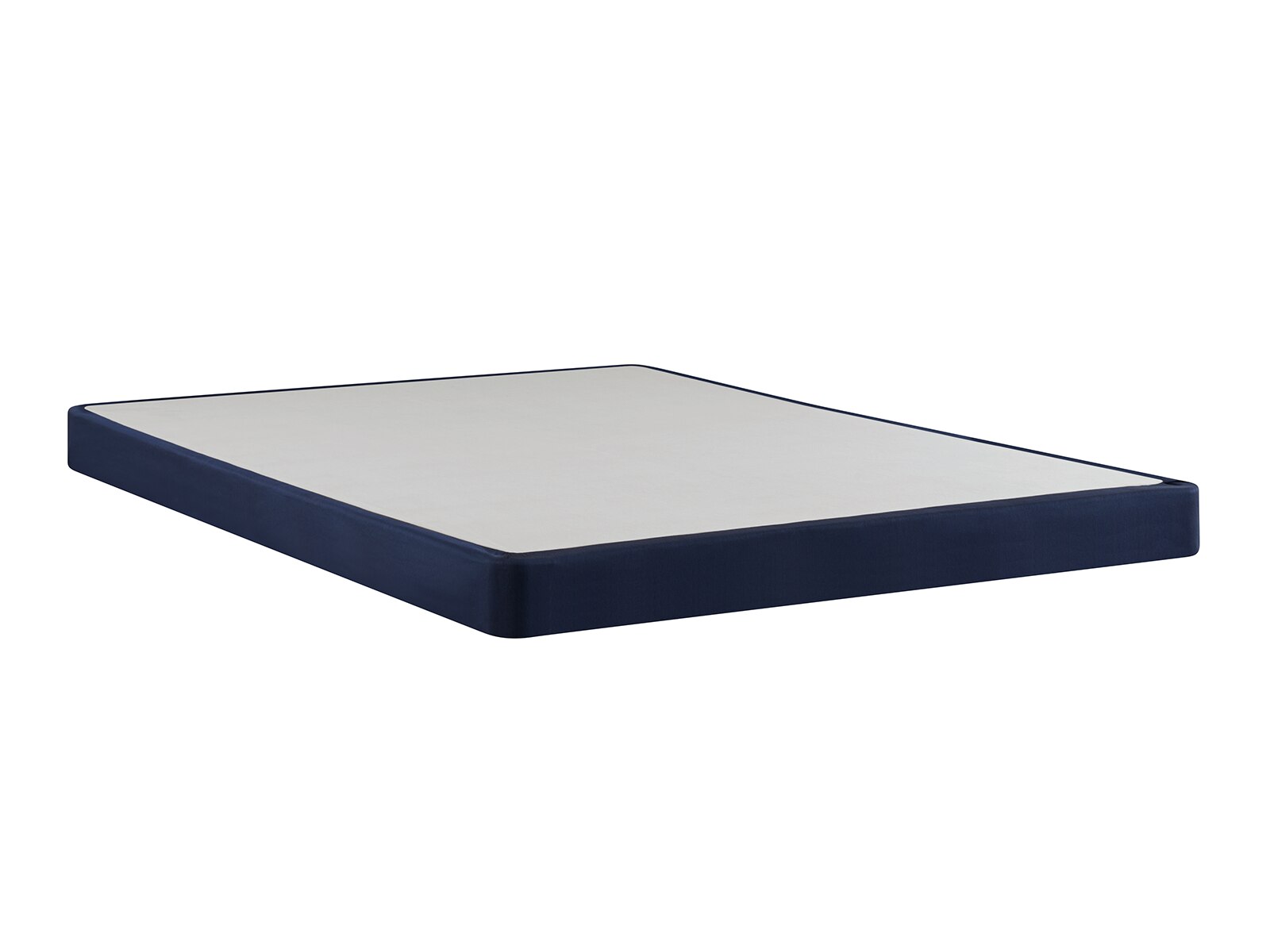
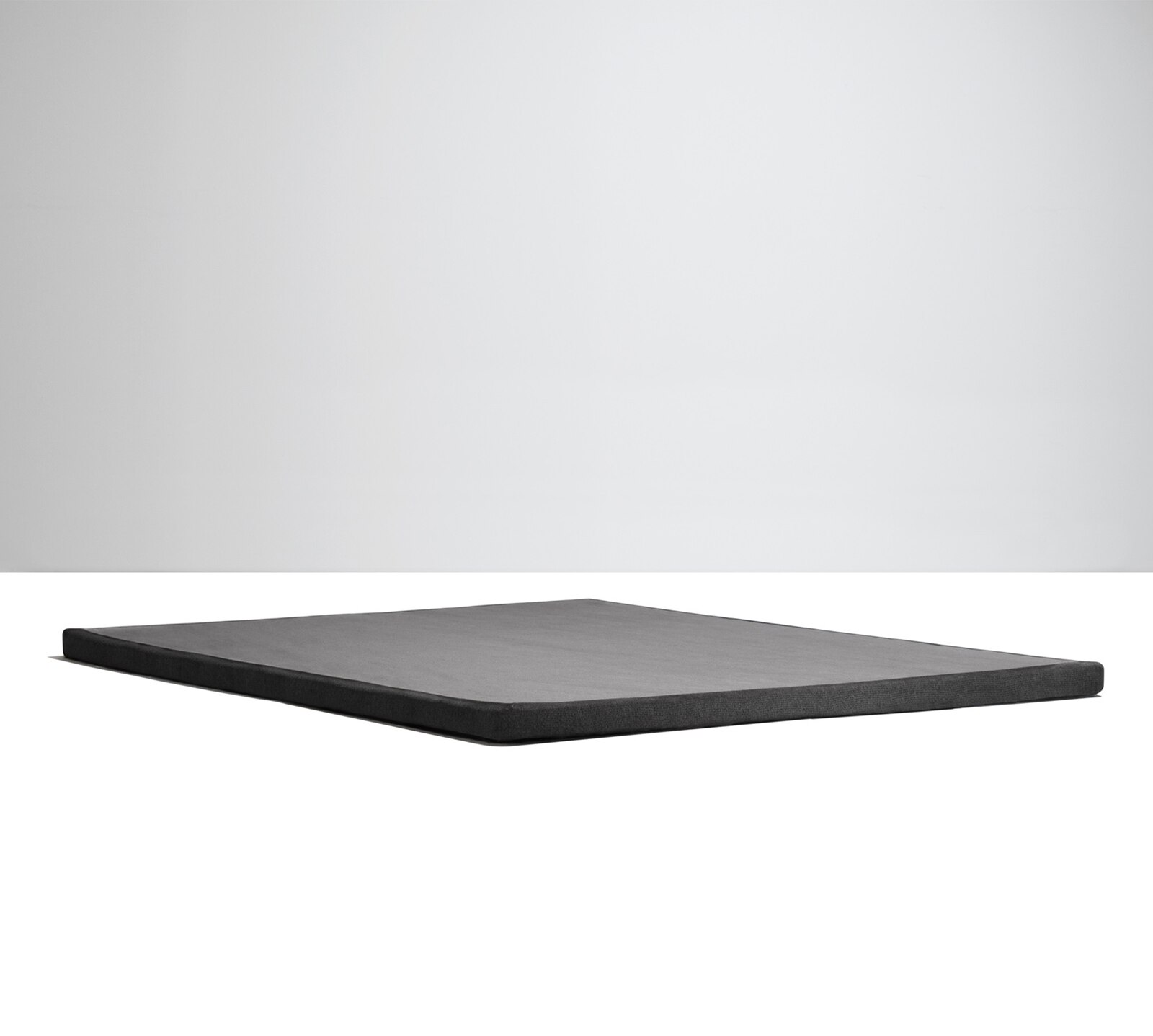
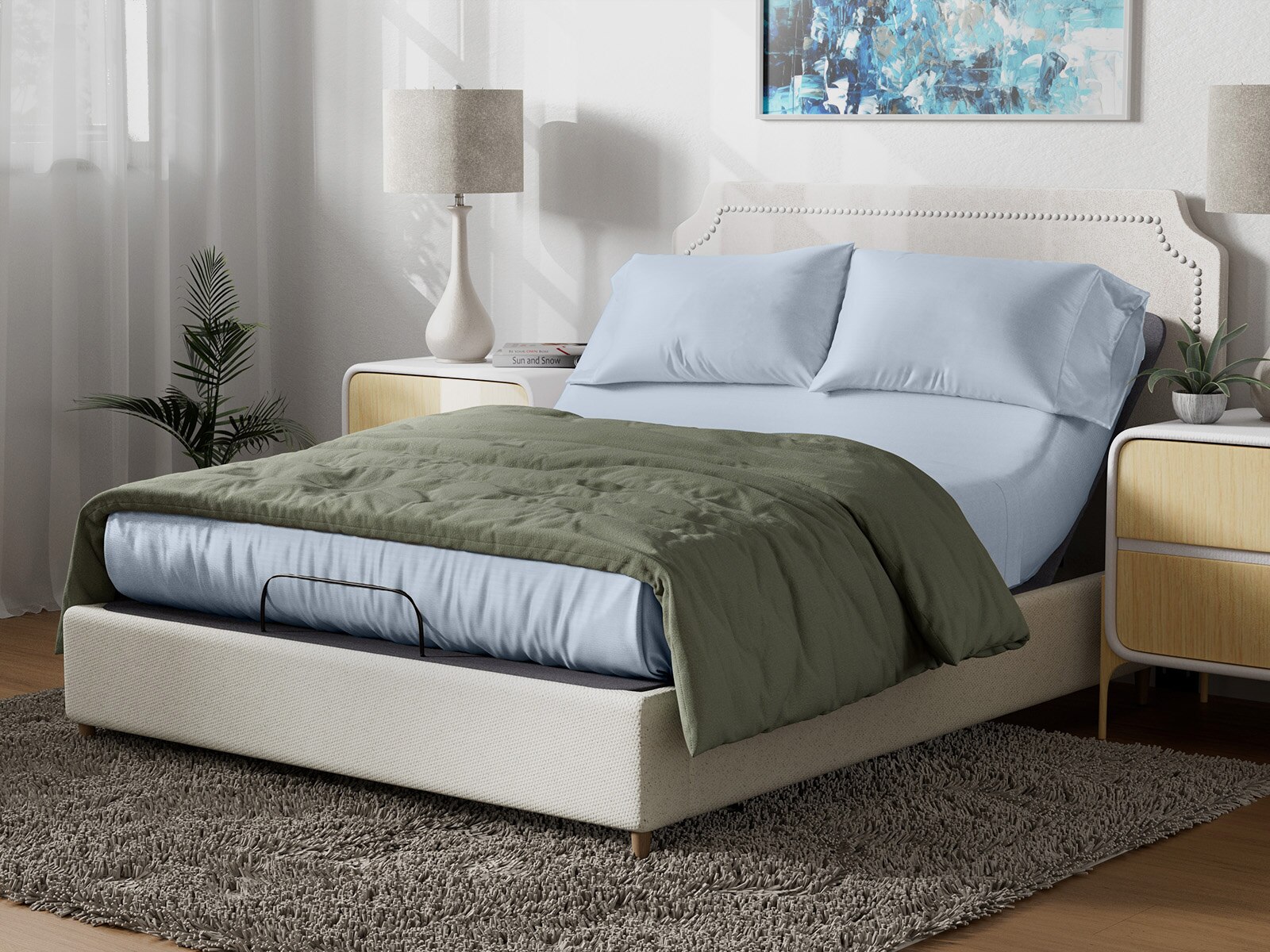
On the other hand, a low profile box spring, usually measuring 4 to 6 inches in height, is designed for those who prefer a more streamlined, contemporary look or need a lower bed for easier access. As mattress technology has evolved, with many modern mattresses now reaching heights of 12 to 14 inches or more, combining them with a standard box spring can result in a bed that feels unusually tall—sometimes making it a challenge to get in and out, especially for children, older adults, or anyone with mobility considerations. A low profile box spring keeps the overall bed height more manageable, which can be especially helpful as the weather warms and you find yourself swapping out heavier bedding for lighter, summer-friendly layers. The sleeker silhouette also works well in rooms with lower ceilings or where you want your headboard to remain a visible focal point rather than being obscured by a thick mattress and foundation. For those updating a master bedroom or furnishing a guest suite, choosing a low profile box spring can help create a modern, accessible sleep space that feels both stylish and practical. If you’re interested in exploring options for a full-size bed, you can find more information and browse selections at
Full Bed Low Profile Foundations.
When considering box spring heights, think about the total height of your mattress and foundation together, as well as your personal comfort and the needs of anyone who will be using the bed. The average height of box spring models—whether regular or low profile—can impact everything from how easy it is to change the sheets to how much storage you have underneath. During the transition from spring into fall, when routines may shift with school schedules or seasonal gatherings, the right foundation can make all the difference in how your bedroom functions and feels. Whether you’re creating a cozy retreat for yourself, setting up a welcoming guest bed, or searching for a practical gift for a loved one, understanding the differences between regular and low profile box springs ensures you’ll make a choice that supports great sleep and fits your lifestyle.