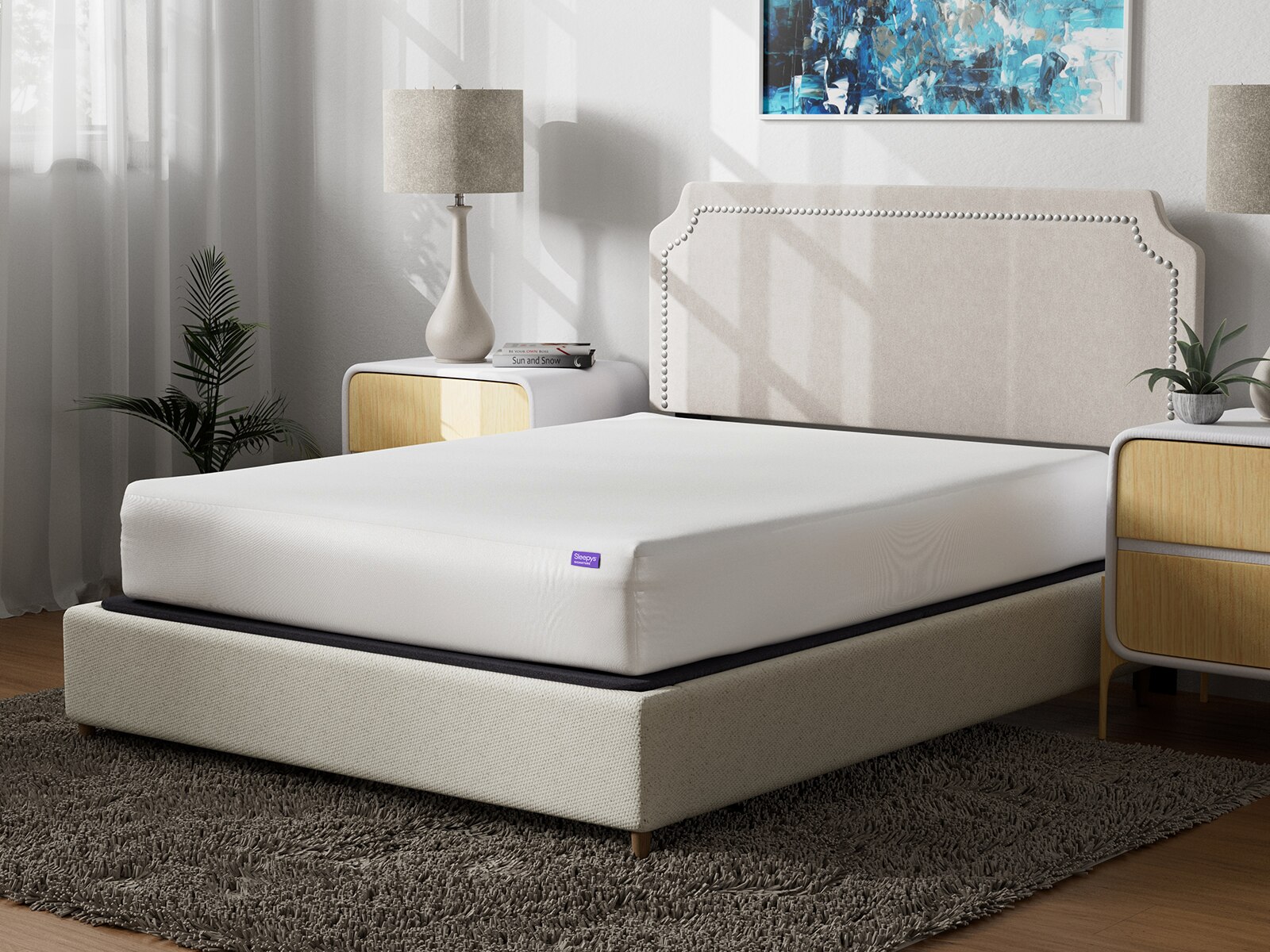
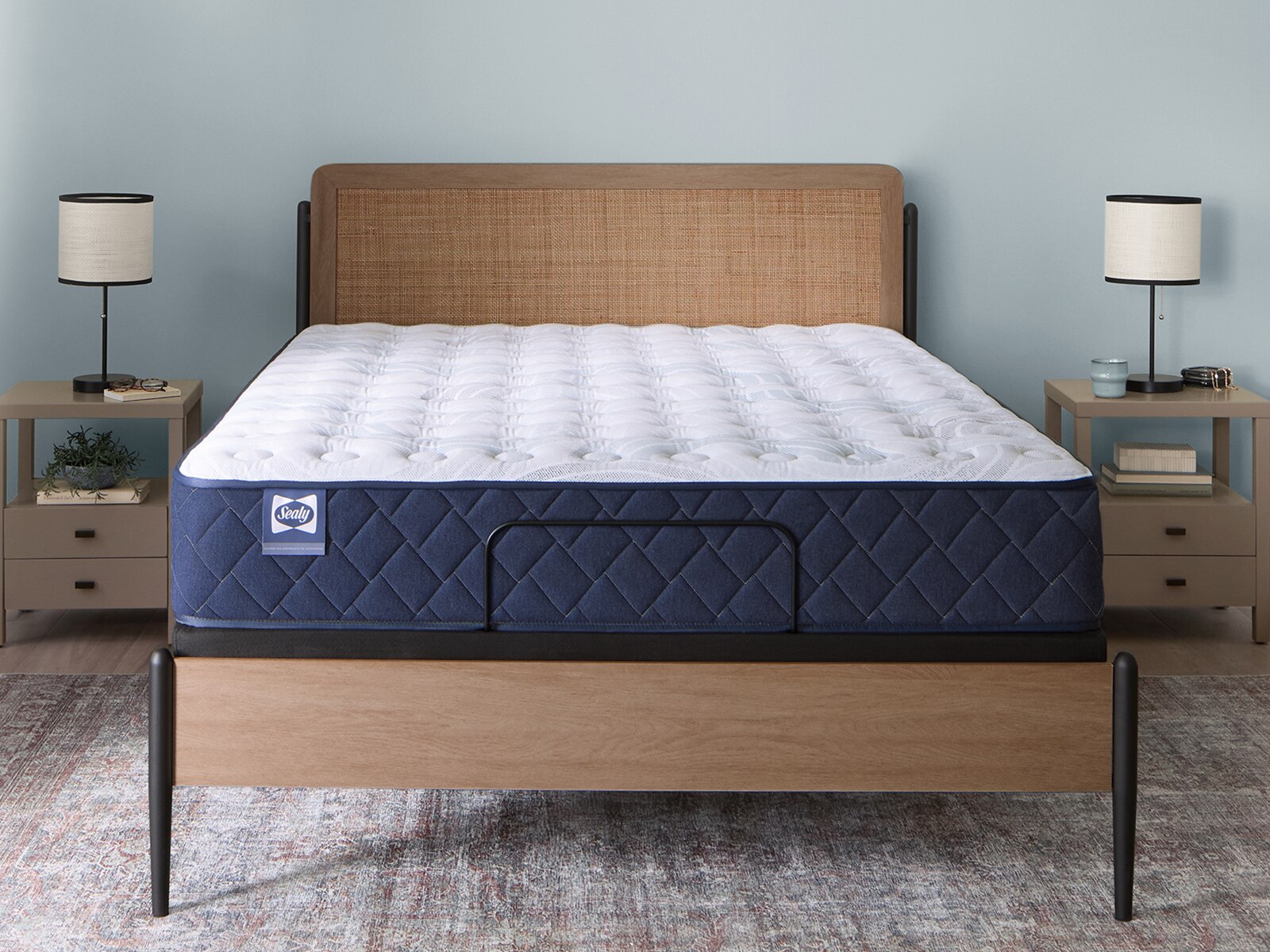
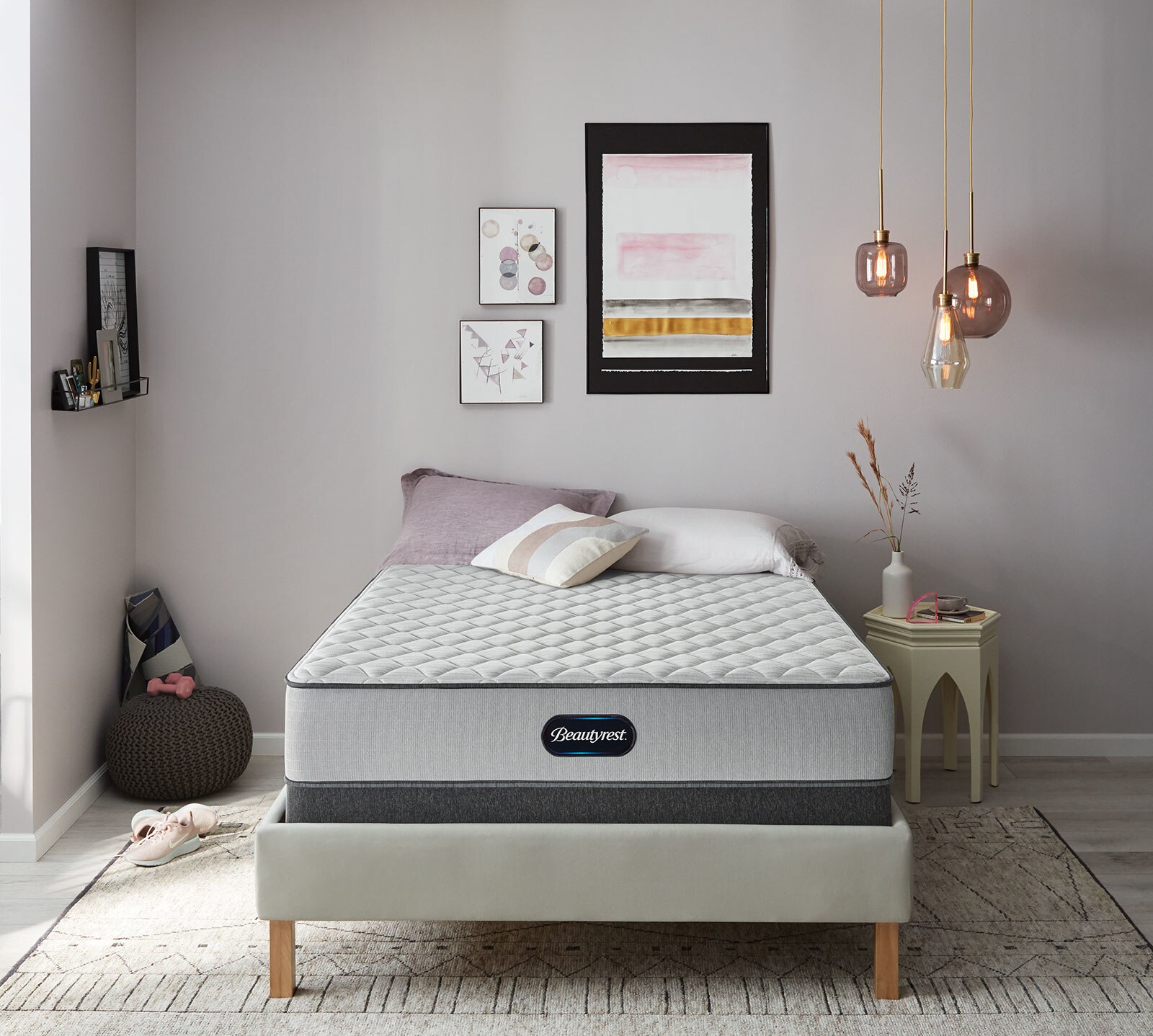
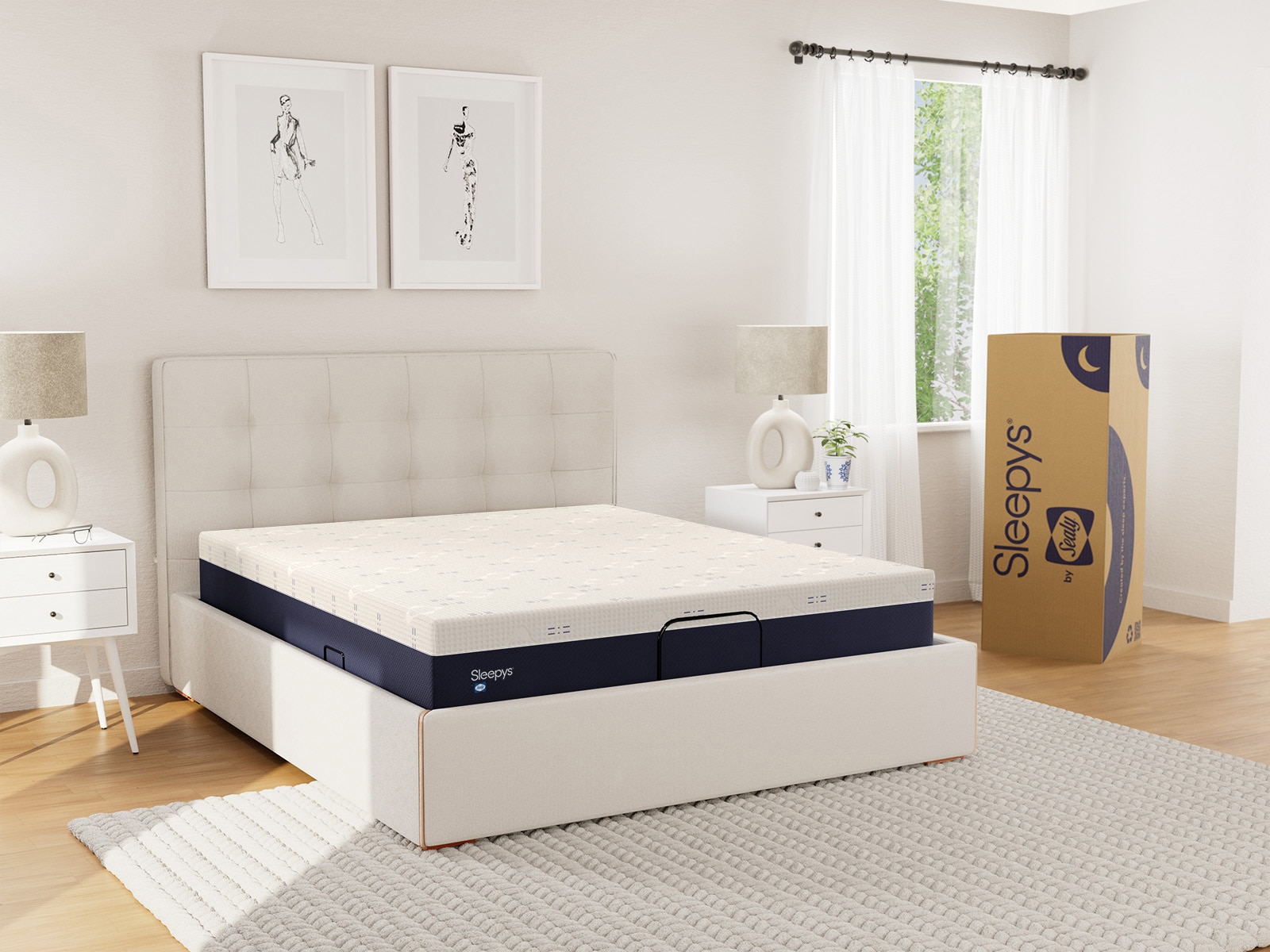
A breathable twin mattress for a bunk bed can make a compact sleep space feel more comfortable, especially when the upper bunk sits close to the ceiling and naturally gathers warmer air. Children, teens, college students and visiting grandchildren may all use this type of mattress, and a well-chosen option can be a practical gift for a growing family, a newly shared bedroom or a guest room with limited floor space. Start by confirming the bunk bed’s required mattress size and maximum thickness in the manufacturer’s instructions. Many bunk beds are designed for a low-profile mattress around five to six inches thick, though the correct measurement varies by frame. Keeping the mattress within that limit helps preserve the height of the upper guardrail, which is an important part of bunk bed safety. A thicker mattress may feel plush, but it can reduce the amount of guardrail exposed and create a setup that does not meet the bed’s safety specifications. The mattress should also fit the platform snugly, without wide gaps at the sides, ends or corners. Before placing bedding on the bed, inspect the ladder, slats, guardrails and hardware, then follow all age, weight and usage recommendations supplied with the frame. A breathable design supports a cooler, fresher-feeling sleep surface, but it does not replace proper ventilation in the room, a secure bunk bed assembly or regular care of the mattress and bedding.
The internal construction is one of the most useful ways to compare breathable twin mattresses for bunk beds. Innerspring mattresses use a network of coils that leaves more open space inside the core, allowing air to move through the mattress as the sleeper shifts during the night. Hybrid designs combine coils with comfort layers, offering a balance of airflow, cushioning and support when the materials are selected with a bunk bed’s height limit in mind. Solid, dense foam can still be comfortable, but some all-foam designs may hold more body heat than an open-coil or hybrid construction. Look for breathable upholstery and a cover made with materials such as cotton, quilted fabric or ventilated mesh, as these can help warmth and moisture move away from the sleep surface. A removable, washable cover may be especially useful in a child’s room, where juice spills, muddy socks and nighttime accidents are simply part of life. If the cover is not removable, a properly fitted protector can add a practical layer between the sleeper and the mattress while preserving the feel of the bed. Shoppers comparing
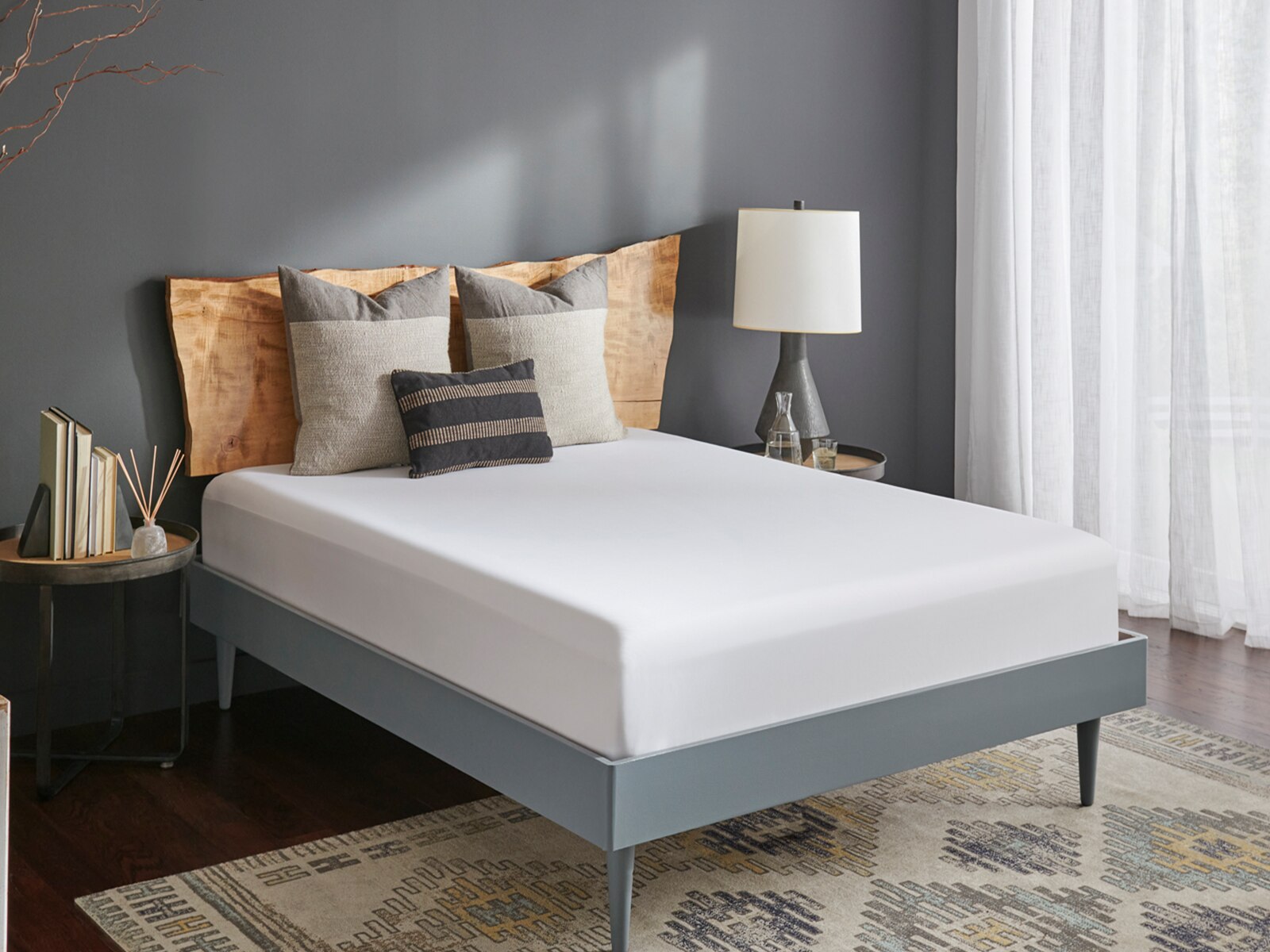
Breathable Twin Mattress Covers can look for a lightweight option that allows air to circulate and fits the mattress depth without bunching beneath the sheets. Keep the surrounding area clear of heavy blankets, storage bins and other items that could block airflow around the bunk, and wash sheets regularly so the bed feels inviting during warm evenings as well as cooler months.
Comfort and support still matter just as much as breathability. Younger children often prefer a firmer, more stable surface, while older children and teens may appreciate a little more cushioning at the shoulders and hips. Since a bunk mattress is typically thinner than a standard bedroom mattress, its comfort layers should provide enough pressure relief without making the bed overly soft or exceeding the frame’s thickness limit. Consider the sleeper’s build, usual sleep position and sensitivity to heat. A child who moves constantly at night may benefit from a responsive surface that makes it easy to change positions, while a side sleeper may need cushioning that reduces pressure at the hips and shoulders. A washable cover and low-emission materials can also be meaningful considerations for a child’s bedroom. Certifications such as CertiPUR-US or GREENGUARD Gold may provide information about emissions or material standards, but shoppers should review what each certification covers rather than treating a label as a guarantee of overall quality. Set up the mattress on a clean, well-supported bunk surface and allow any packaging odors to dissipate according to the care instructions. With the right thickness, a supportive construction and a cover that helps manage warmth and moisture, a breathable twin mattress can turn a narrow bunk into a cooler, more comfortable place to rest, read and recharge.