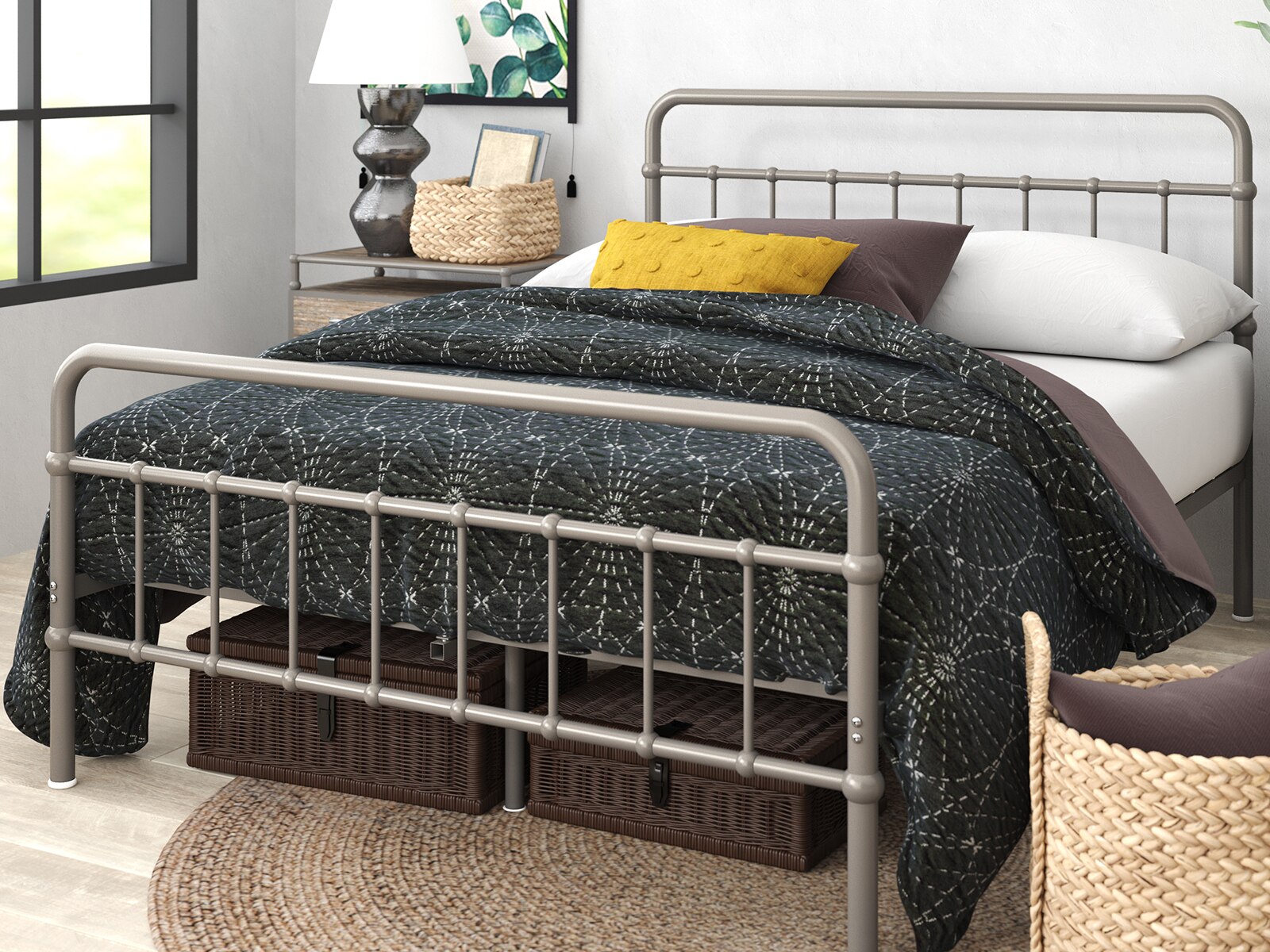
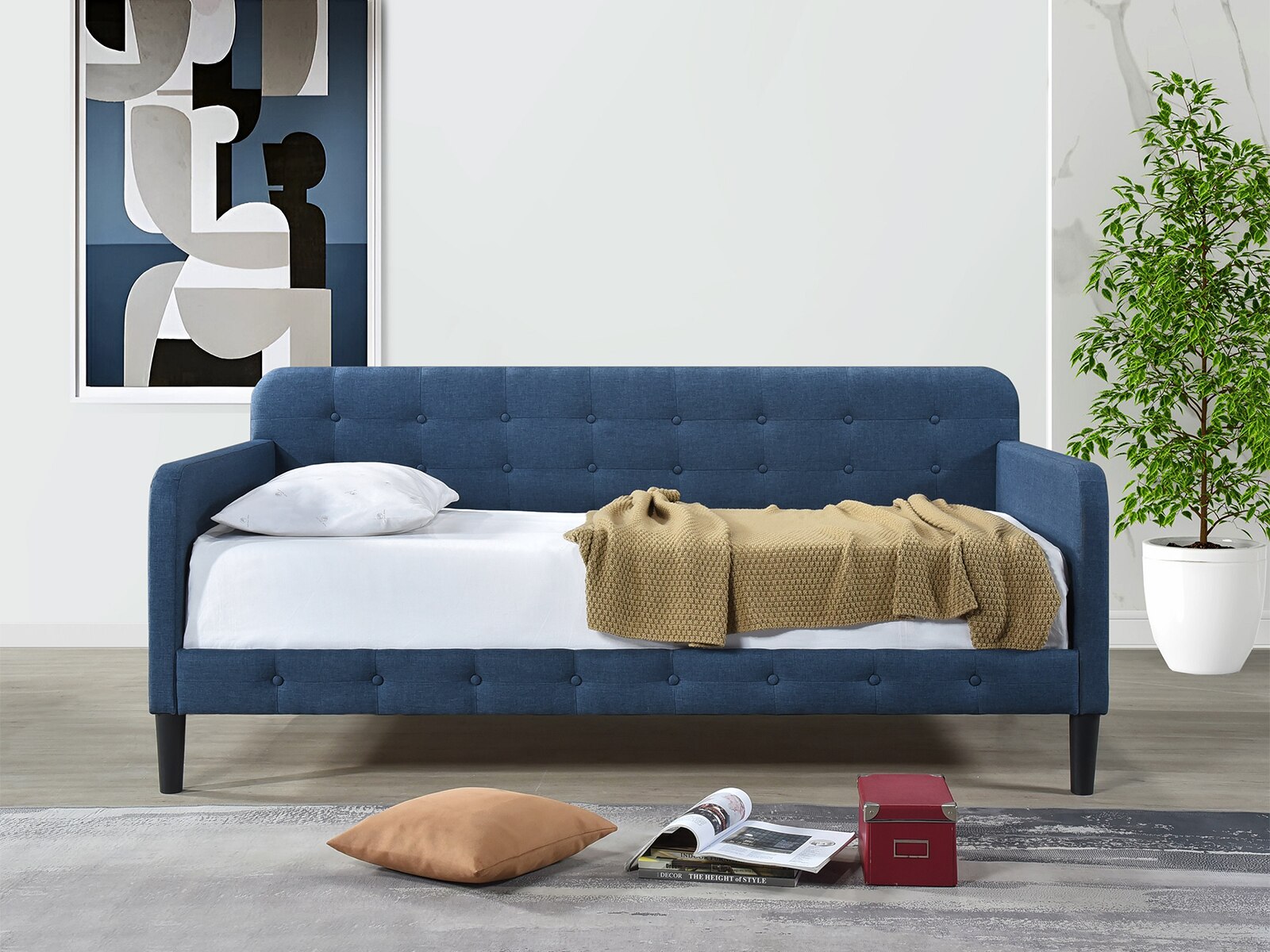
Cool twin beds combine personality with practical features, turning a compact sleeping space into a room that feels thoughtfully put together. Distinctive headboard shapes, upholstered surfaces, built-in storage and elevated layouts can give a twin bed character without requiring a larger mattress. The right style depends on who uses the room and what needs to fit around the bed. A child’s bedroom might benefit from a playful silhouette and accessible storage for books, while a teenager may prefer a streamlined frame with a comfortable place to lean back and read. In a guest room, a simple profile can leave more space for a bedside table and luggage. A standard twin mattress measures approximately 38 inches wide by 75 inches long, but the bed frame’s overall dimensions will be larger, especially with a substantial headboard, footboard or attached shelving. Measure the complete footprint rather than relying on mattress size alone. Leave room for doors to swing open, drawers to extend and someone to move comfortably beside the bed. For taller teens or adults, a Twin XL mattress offers approximately five additional inches of length and requires a frame designed for that size. In shared bedrooms, two twin beds can give each sleeper a distinct space, with coordinated bedding tying the room together without making both sides identical. The clean lines associated with
Modern Twin Beds work well when the goal is a flexible look that can evolve with new bedding, artwork or furniture. More expressive designs can serve as the room’s focal point, particularly when surrounding pieces stay simple. Consider headboard height, too: a tall silhouette can make a statement, while a lower profile may fit more comfortably beneath a window. A bed that looks appealing in a photograph should also make sense beside the room’s outlets, vents and everyday walking paths.
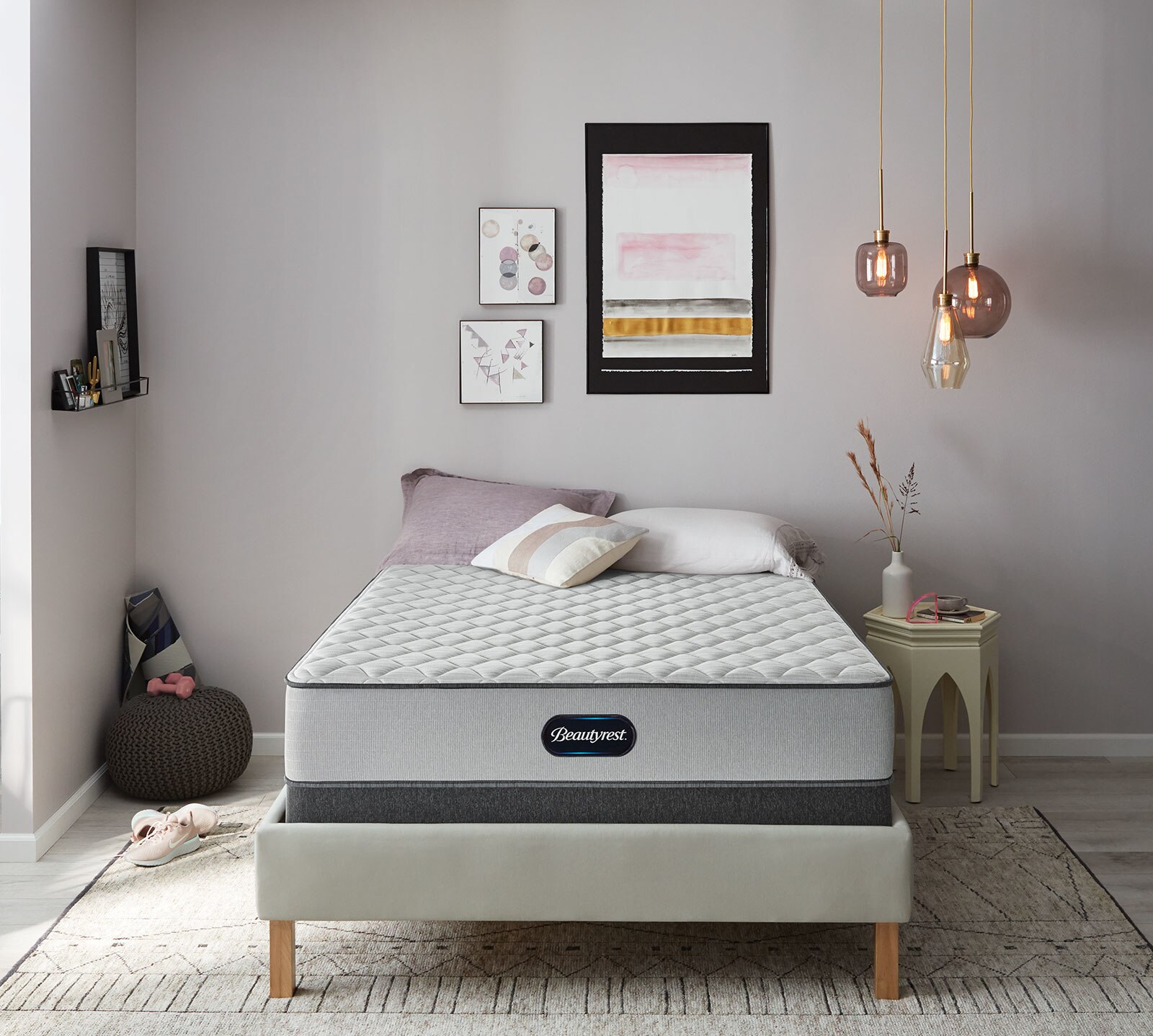
Useful features are often what make a twin bed feel especially well suited to its space. Under-bed drawers can keep folded clothing, extra sheets or bedtime books close at hand, but they need enough clearance to open without hitting a dresser or rug. Open space beneath a frame offers flexibility for storage bins, provided their height fits and they can slide out easily. Shelving built into a headboard can create a convenient home for a reading light or favorite book, though shelf depth and placement should leave comfortable room for sleeping. Designs with integrated lighting or charging connections call for attention to cord routing, outlet access and the manufacturer’s electrical instructions. Keep loose cords away from sleeping areas and avoid treating built-in lights as a substitute for adequate room lighting. A trundle can provide an additional sleeping surface for overnight guests, but its mattress requirements may differ from those of the main bed. Check the permitted mattress thickness and measure the floor space needed when the trundle is fully extended. Loft and bunk configurations use vertical space differently, potentially leaving room below for a desk or other furniture. Their suitability depends on ceiling height, access, age and the frame’s stated weight limits. Upper bunks and elevated loft beds should not be used by children younger than six, and all guardrail, ladder and assembly instructions need to be followed. Mattress thickness matters on an elevated sleeping surface because it affects the height of the guardrail above the mattress. For any twin bed, confirm how the mattress is supported. Some platforms are designed to hold a compatible mattress directly, while other frames require a separate foundation. Slat spacing, center support and mattress compatibility should match the manufacturers’ requirements rather than assumptions based on appearance. A supportive frame and a suitable mattress work together; the frame’s style alone does not determine how comfortable the bed will feel. Leave access for changing sheets and cleaning beneath or around the frame, especially in a tightly arranged room.
Materials and construction influence how a twin bed looks, feels and holds up to everyday use. Wood and wood-look finishes can bring visual warmth to a room, with details such as rounded edges or recessed hardware affecting both appearance and daily handling. Solid wood and engineered wood have different construction characteristics, so evaluate the complete frame, including its joints, supports and finish, rather than judging durability by the material name alone. Metal frames can have a slim, open profile that keeps a small room from feeling visually crowded. Secure connections and properly installed support components matter more than decorative details when assessing stability. Upholstered beds introduce texture and can soften the look of a bedroom, but fabric choice deserves consideration in spaces where snacks, pets or frequent use are part of the routine. Smooth woven fabrics, textured coverings and plush finishes each have different care needs. Follow the upholstery label, address spills promptly using the recommended method and avoid saturating padding or scrubbing a delicate surface. Wash a removable cover only when its care instructions permit it. For wood or metal surfaces, use cleaning methods appropriate to the finish and avoid abrasive products unless the manufacturer specifically recommends them. Check fasteners periodically according to the care instructions, particularly after moving the bed, and replace damaged components before continued use. Mattress protectors and properly fitted sheets can make everyday upkeep more manageable, especially in children’s rooms or guest spaces used by different sleepers. Twin and Twin XL bedding are not interchangeable in length, and deep mattresses may need sheets with deeper pockets. When a bed is part of a bedroom makeover gift, confirm the recipient’s preferred style, room measurements and support needs before choosing. A distinctive frame can feel personal without locking the entire room into one theme. Neutral upholstery, adaptable storage and straightforward shapes leave room for changing tastes, while a playful headboard can add character to an otherwise simple space. The most useful cool twin beds balance visual appeal with comfortable access, dependable support and care requirements that fit the household’s routines.