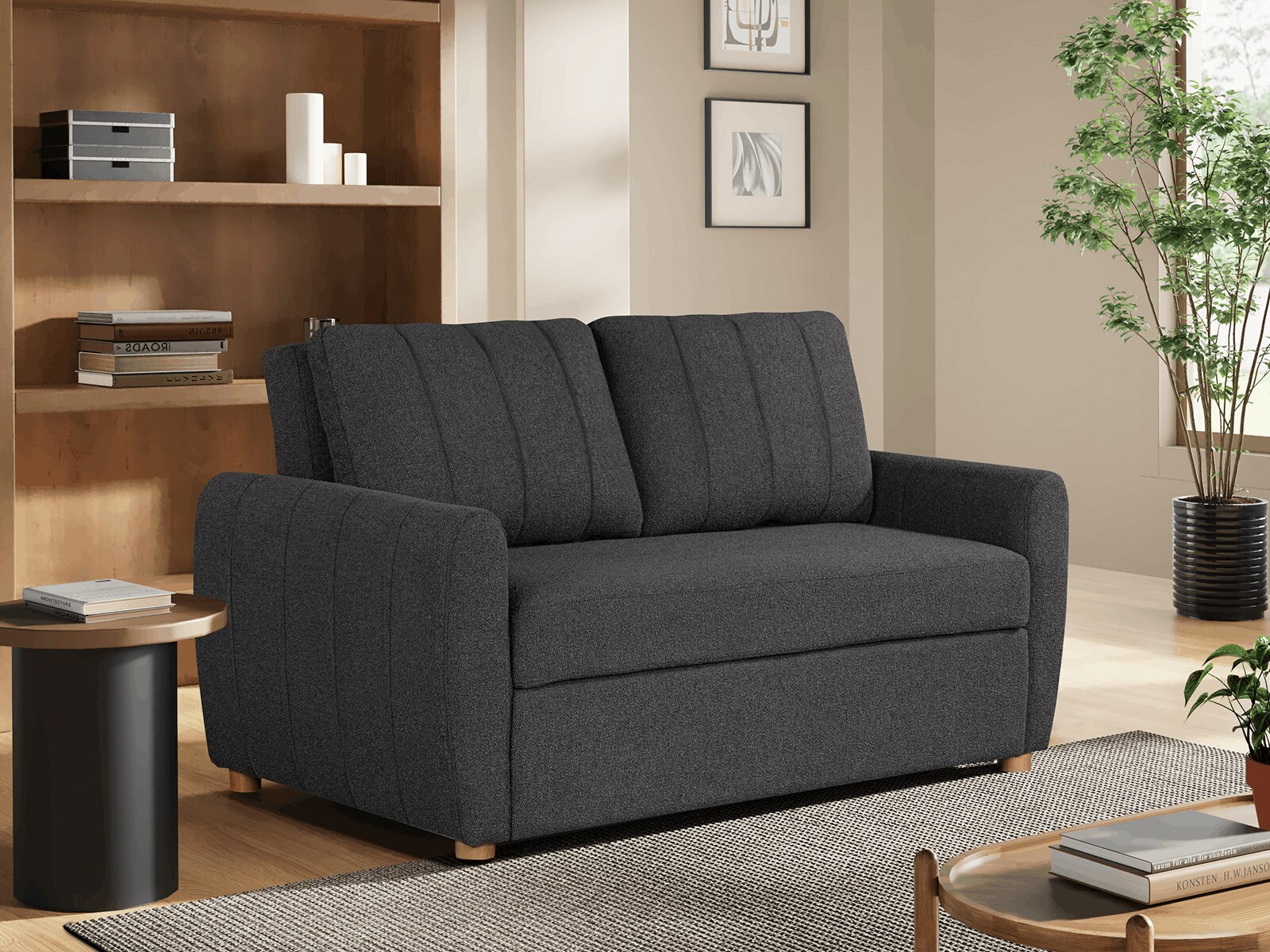
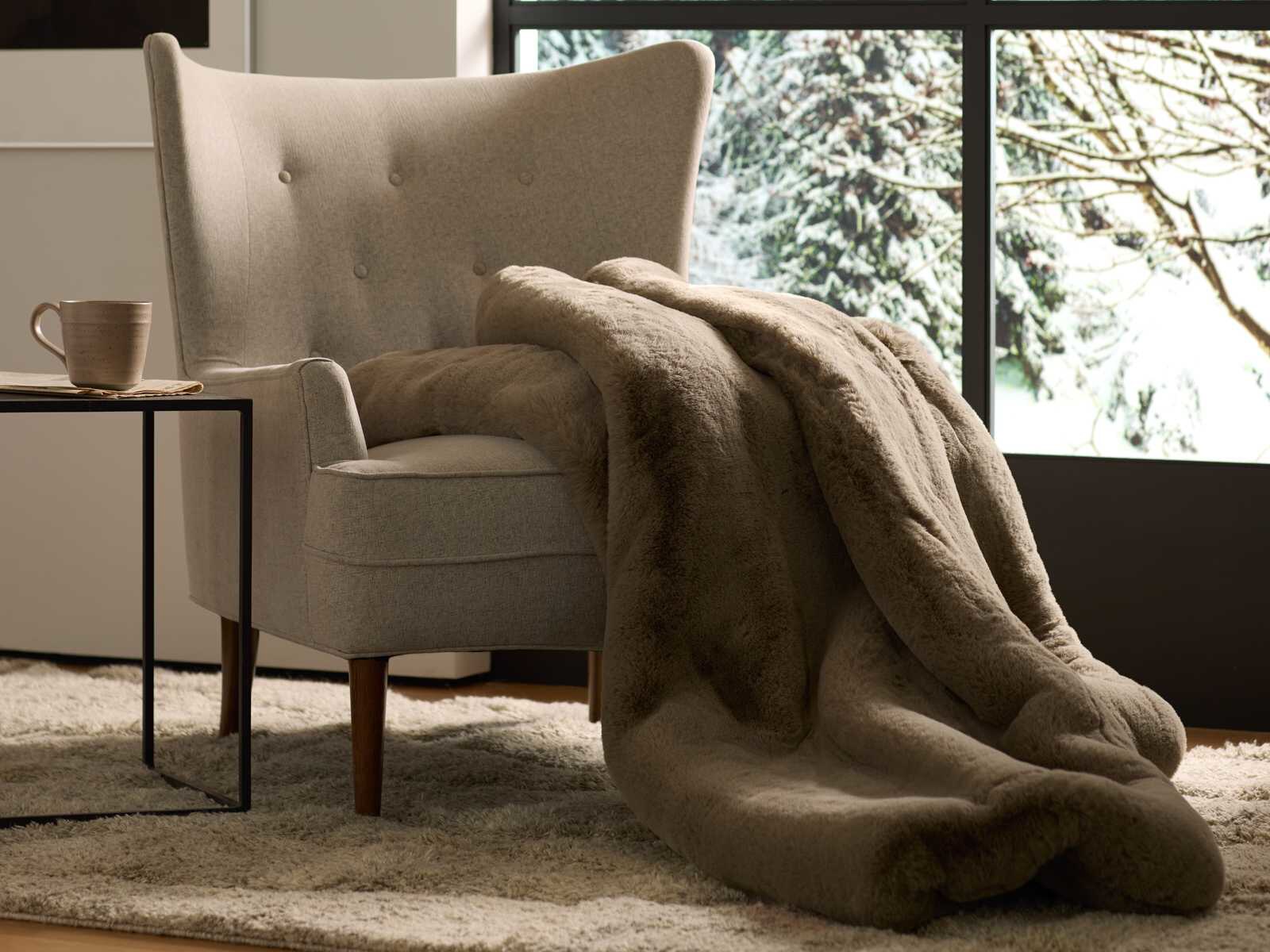
Living room furniture ideas work best when comfortable seating, functional tables and a thoughtful layout support the way a space is used. A room for movie nights has different needs from one that serves as a quiet reading spot, a gathering place for friends or a shared space for several generations. Sofas and sectionals provide the main seating area, while accent chairs make it easier to arrange seats for conversation without turning every position toward a screen. A compact sofa with chairs can leave more flexibility than a large sectional, especially in a room with several doorways. In a larger space, a sectional can help define the seating area without adding a divider. The shape of the room matters as much as its square footage: a narrow living room may benefit from shallower seating, while an open floor plan may need furniture that looks finished from the back. Fit includes more than whether a piece fits along a wall. Seat height, cushion depth and arm placement affect how comfortably someone can sit, read or get up again. Deep seats suit stretching out, while a more upright seat can feel better for conversation or activities at a nearby table. Coffee tables, end tables and ottomans add convenient surfaces or places to rest feet, but their dimensions should relate to the seating around them. A table that is easy to reach from the sofa is more useful than one that requires a stretch across an open gap. Clear paths between entrances, seating and storage keep everyday movement comfortable, including when someone is carrying a laundry basket or helping a child through the room. Measuring doorways, stair turns and the space needed to open drawers helps prevent a layout that looks balanced but feels crowded. A useful arrangement leaves room for both daily routines and occasional visitors, with seating positioned so people can talk without twisting around or raising their voices across the room.
Materials influence how living room furniture feels, how it ages and how much attention it needs. Upholstery with a visible weave can add texture to a simple silhouette, while smoother fabrics create a more tailored appearance. Fabric composition alone does not tell the whole durability story; weave, construction, seams and the intended use of the upholstery also matter. In a household with children or pets, tightly woven fabrics and removable covers may make upkeep more manageable, though any cover should be cleaned only according to its care instructions. A textured surface can make small marks less noticeable, but it may also catch claws or collect crumbs, depending on the weave. Leather offers a different feel and can develop character with use, while its finish determines how it responds to spills, scratches and routine cleaning. Cushion construction matters just as much as the outer covering. Foam, fiber and combinations of cushion fillings can create different levels of support, softness and maintenance, with some cushions needing regular fluffing to keep their shape. Frame construction, secure joints and properly supported seating contribute to durability, particularly when furniture gets daily use. Solid wood brings natural variation in grain, while veneers and engineered wood can provide consistent surfaces and useful design options; the quality of construction and finish remains important across materials. Tables with metal, glass or stone surfaces have their own care needs, and their weight, edge shape and stability deserve consideration in busy family rooms. Rounded corners may make movement around a compact seating area easier, while a stable base helps a table stay steady when someone reaches for a drink. Routine care can be straightforward: vacuum upholstery with an appropriate attachment, blot spills promptly and follow the manufacturer’s directions before using a cleaner. Coasters help protect tabletops, furniture pads can reduce scratches on flooring and lifting rather than dragging helps protect both furniture and floors. These small habits support a room that stays welcoming through everyday use rather than one that requires constant attention.
Style gives a living room its character, but the most inviting spaces usually have a few shared details rather than a perfectly matched collection. Similar wood tones, related metal finishes or a repeating curve can connect furniture with different shapes and histories. A sofa with simple lines can sit comfortably beside a more expressive chair, and a substantial table can balance seating with slender legs. Inspiration from
Modern Furniture Ideas can help connect streamlined seating with tables and storage that share a clean, uncluttered look. The key is proportion: furniture should feel substantial enough for the room without blocking paths or overwhelming the surrounding pieces. Raised legs can reveal more floor and make a compact room feel visually lighter, while upholstered pieces that sit closer to the floor can create a grounded, relaxed atmosphere. Storage is especially valuable when the living room also holds board games, reading materials, charging cables or children’s toys. Closed compartments keep everyday necessities nearby without leaving everything in view, while open shelves allow space for books and a few meaningful objects. An ottoman with storage can combine a footrest with a place for extra blankets, provided its size leaves enough room to move around the seating area. Households that entertain often may appreciate flexible seating that can be repositioned for conversation, while someone furnishing a first apartment may value pieces that can adapt to a future floor plan. Furniture intended as a housewarming or milestone gift deserves a little coordination with the recipient, since dimensions, upholstery preferences and care requirements are personal. Even a smaller accent piece should suit the room and the way it will be used. A well-considered living room balances appearance with the ordinary moments that happen there: setting down a book, gathering for a favorite show or making space for another guest. Comfortable proportions, practical surfaces and materials suited to the household give those moments a dependable place to happen.