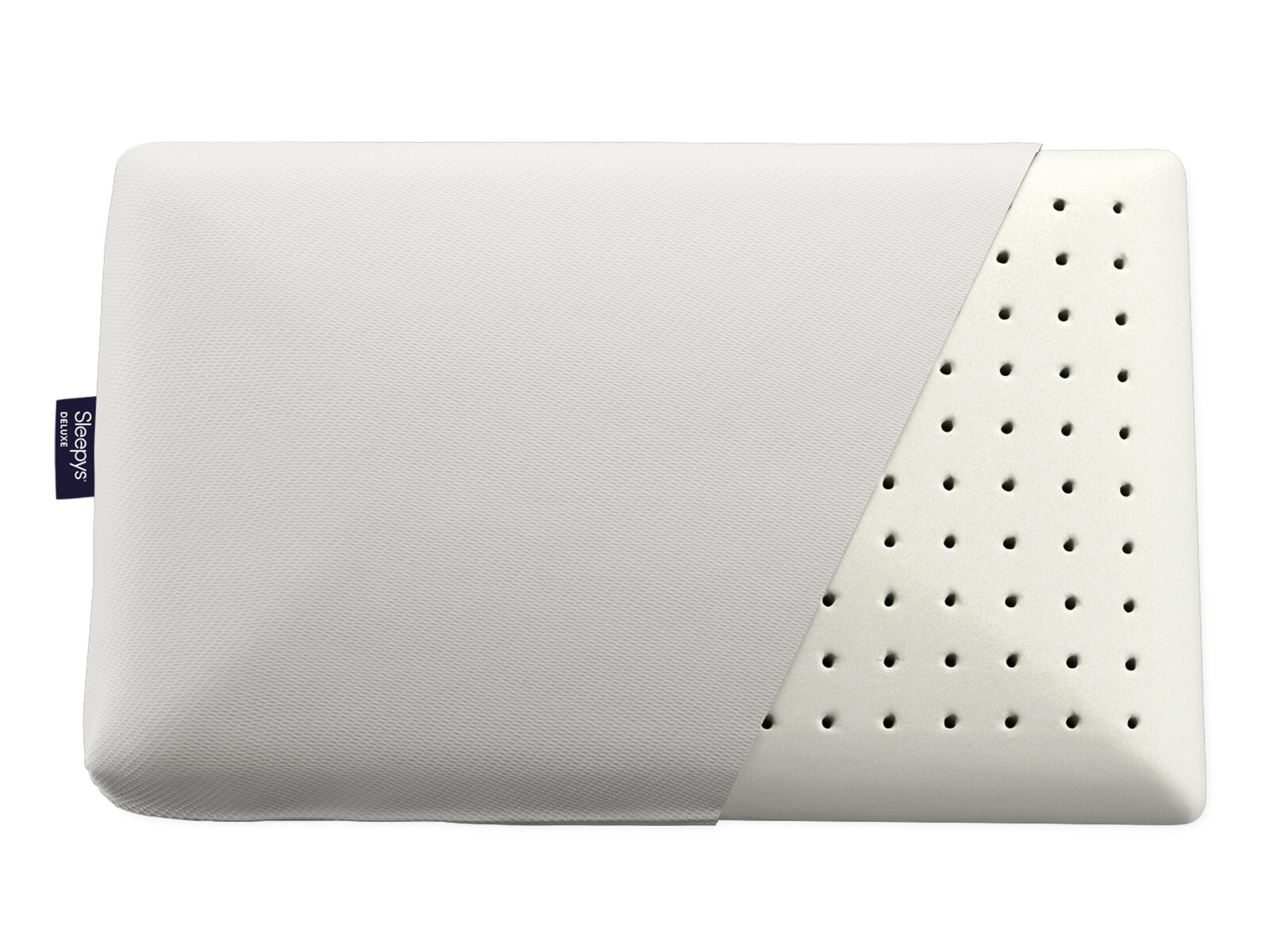
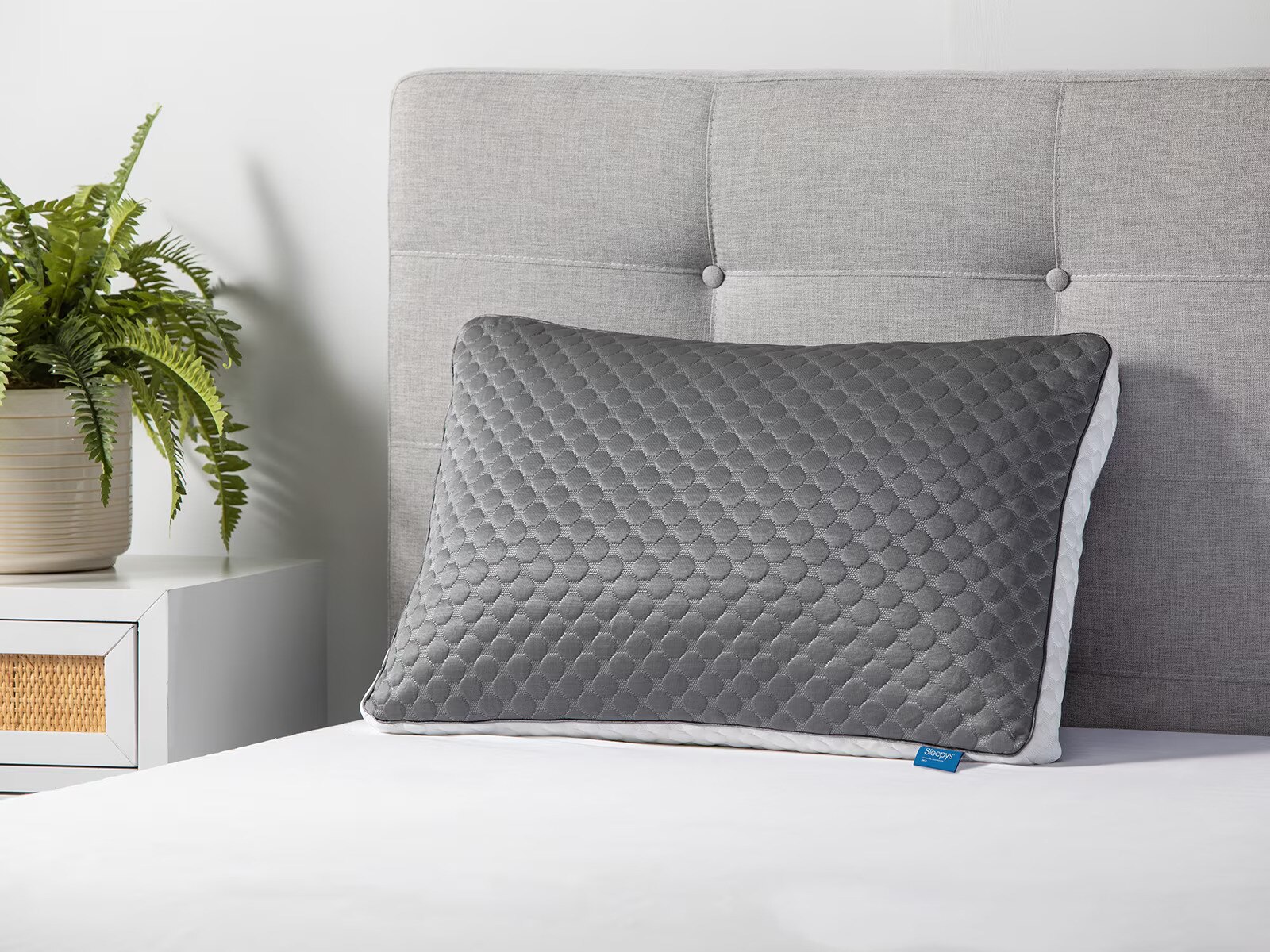
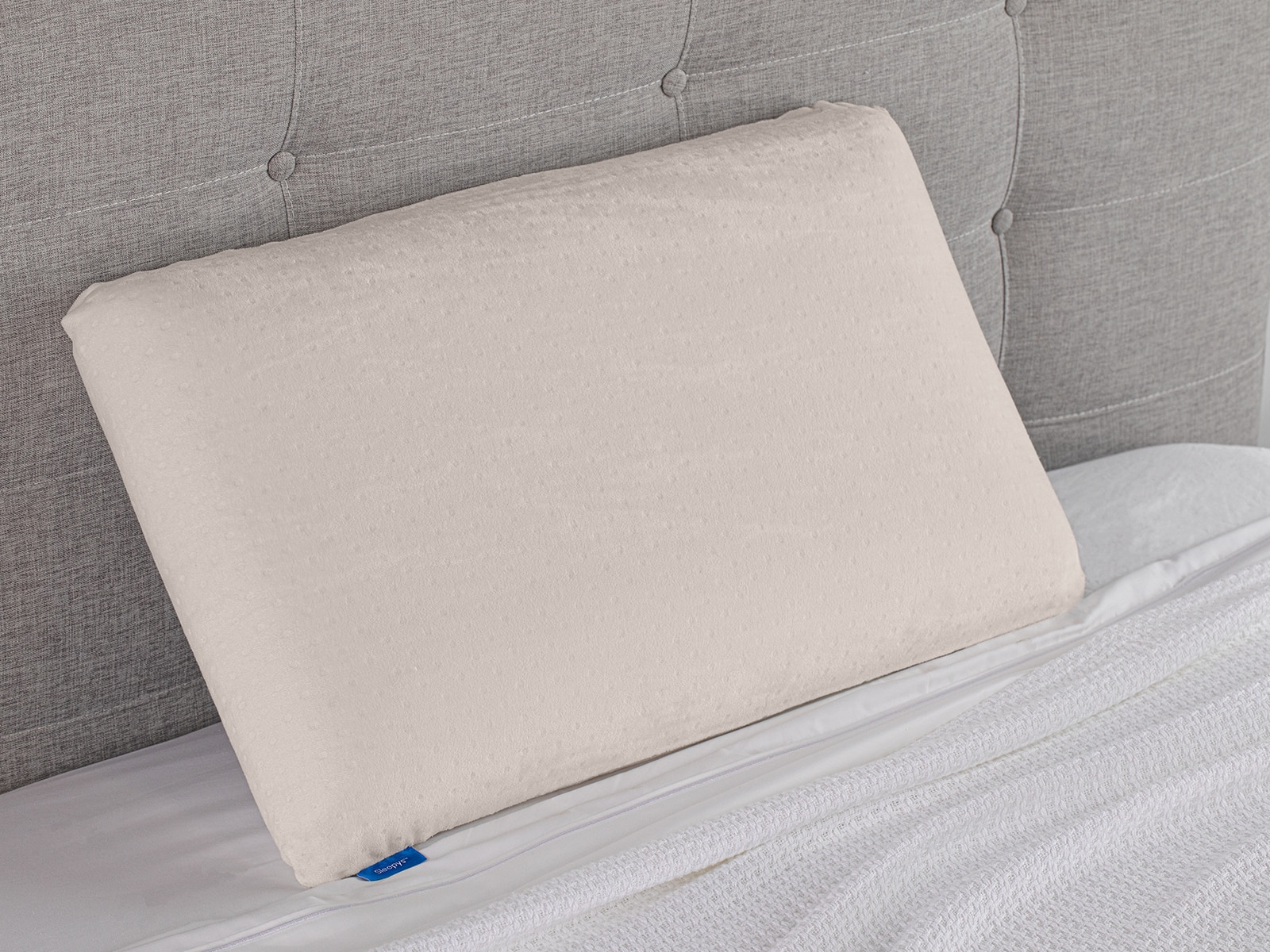
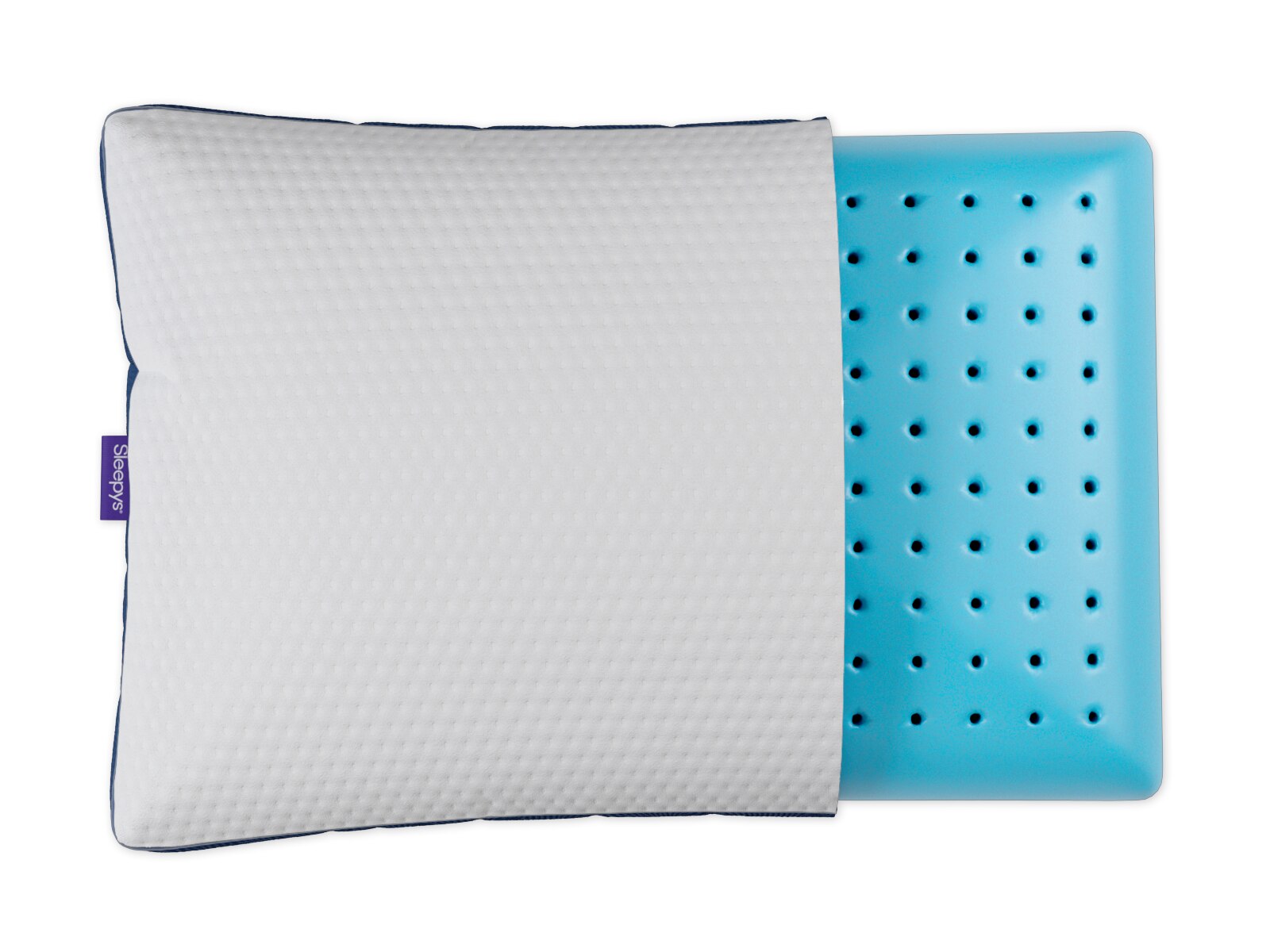
Medium comfort latex pillows combine gentle cushioning with a buoyant, responsive feel that supports the head without the deep, slow sink associated with some memory foam pillows. The latex compresses under pressure and springs back as that pressure changes, making it a practical choice for sleepers who like a pillow that responds readily when they turn or adjust their position. A medium feel generally sits between soft and firm, but comfort ratings are not standardized across manufacturers. The pillow’s height, shape and construction all influence how supportive it feels beneath the head. Some latex pillows have a single molded core that provides a consistent surface, while others contain shredded latex pieces that shift more freely and allow greater shaping. Certain shredded designs also have removable fill, giving sleepers a way to adjust the loft when the construction allows it. Latex itself may come from natural rubber, synthetic materials or a blend, so material descriptions matter when comparing options. Talalay and Dunlop refer to different production processes rather than universal firmness levels; either can be used to create a range of feels. Talalay latex often has a lighter, more airy character, while Dunlop latex often feels denser, although the finished pillow’s design matters more than the process name alone. Perforations in a molded core and spaces between shredded pieces can encourage airflow, while a breathable cover helps complete the sleep surface. Cotton knits may feel soft and familiar beneath a pillowcase, while other fabric blends can add stretch or moisture management. These details are worth considering together rather than treating one material claim as a guarantee of comfort. A medium comfort latex pillow is ultimately about the interaction between cushioning and resistance: enough give for the head to settle comfortably, with enough resilience to keep the surface from feeling collapsed. That balance can appeal to someone who finds a very soft pillow unsupportive but dislikes the rigid sensation of a particularly firm one.
The right fit depends as much on pillow height as on its medium comfort designation. A side sleeper usually needs enough loft to fill the space between the head and mattress without tipping the neck upward. Someone with broader shoulders may need more height than someone with a smaller frame, but how far the shoulder settles into the mattress also changes that space. For back sleepers, a moderate profile often provides a more comfortable starting point, with room for the head to rest while the neck remains in a relaxed position. A pillow that looks invitingly full on the bed can still be too tall if it pushes the chin toward the chest. Stomach sleepers generally need a lower profile, and a medium feel alone does not make a thick latex pillow suitable for that position. Combination sleepers may appreciate latex’s quick response because the surface rebounds as they move from their back to their side. A shaped pillow with a defined neck contour offers a different experience from a traditional rectangular design, even when both are described as medium. The contour needs to match the sleeper’s proportions and preferred position rather than simply looking supportive. The mattress underneath is part of the same equation. A surface that lets the shoulders settle more deeply may call for less pillow loft than a surface that keeps the body closer to the top. Exploring
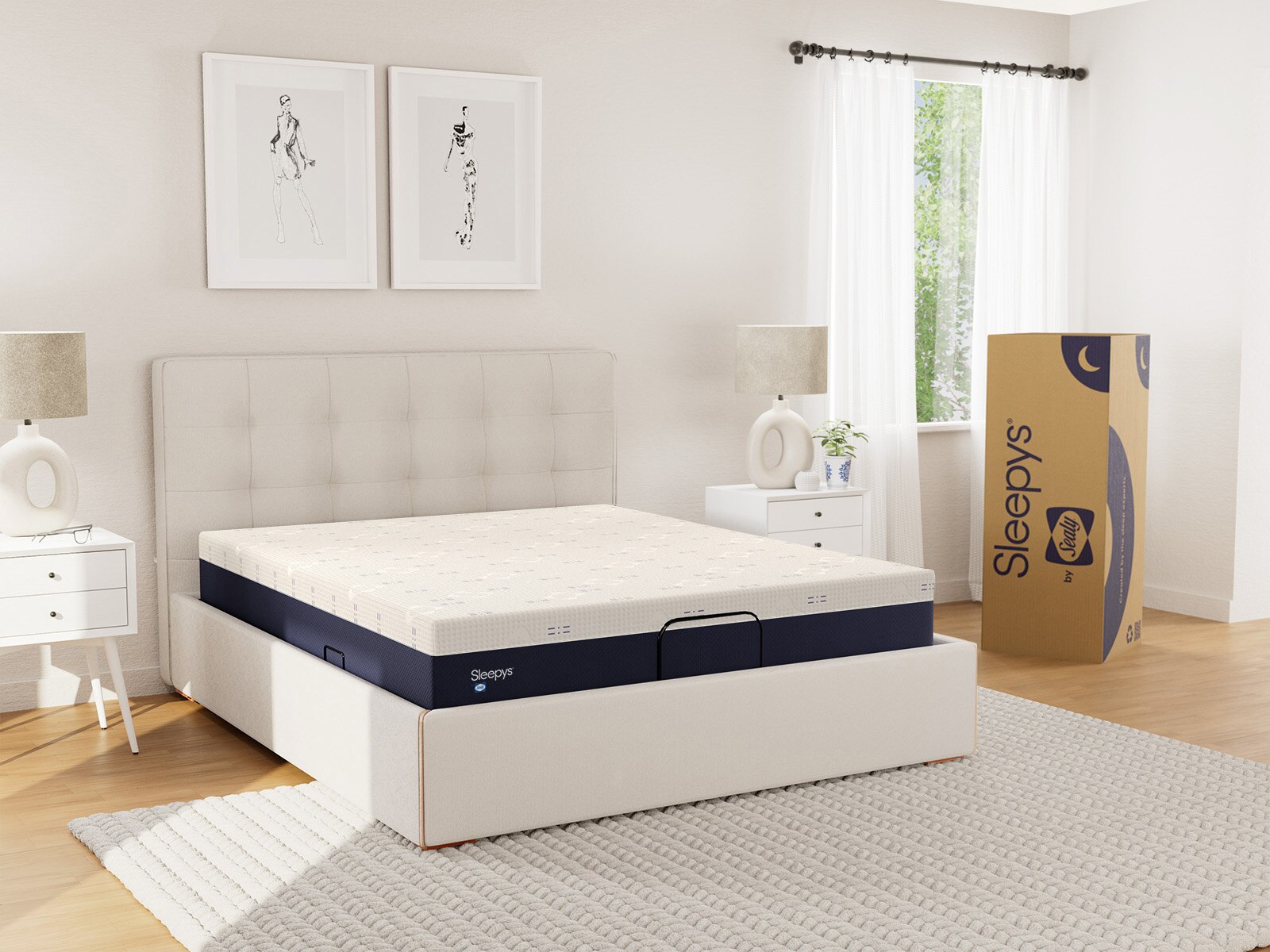
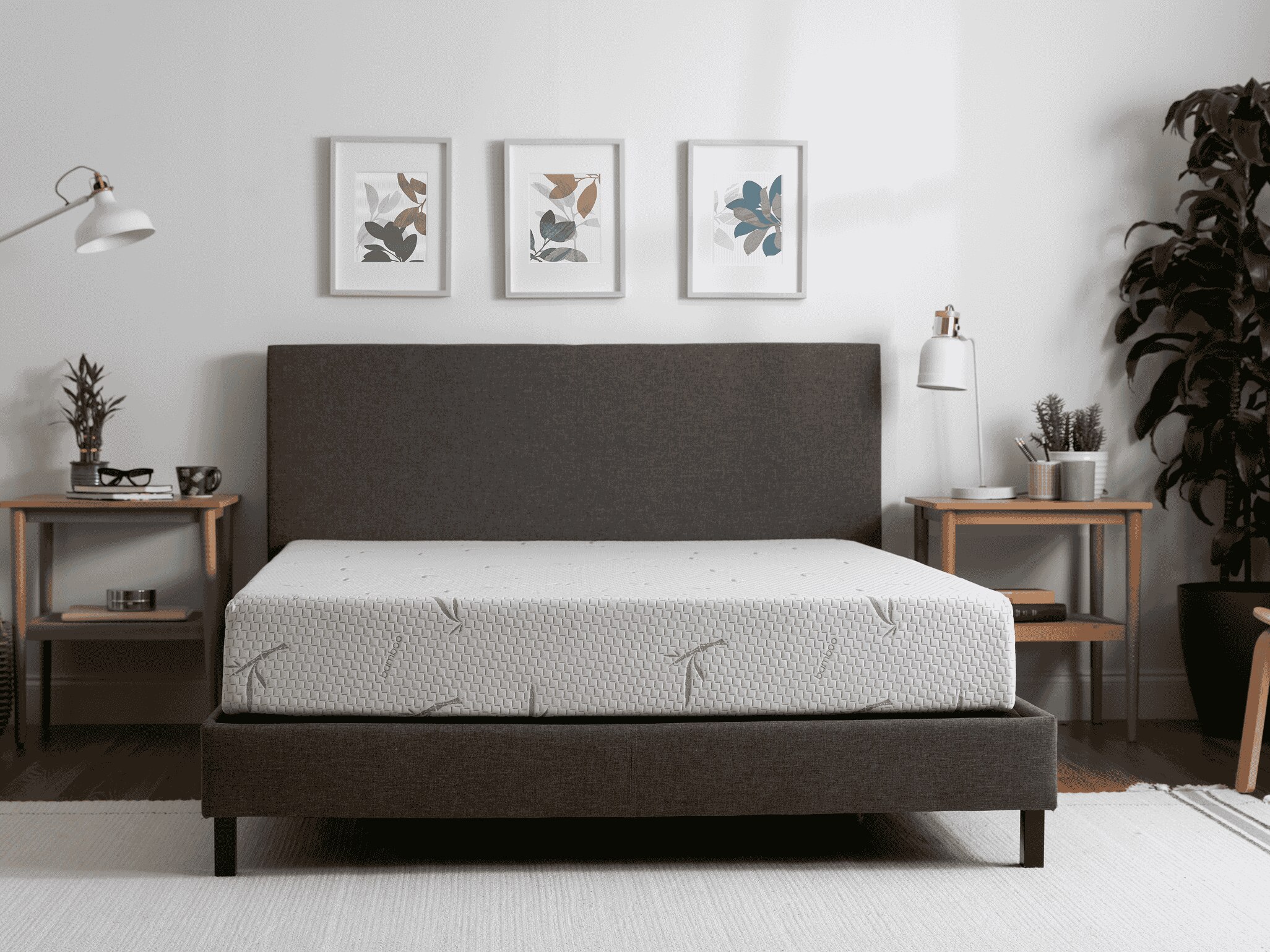
Medium Comfort Gel Memory Foam Mattresses alongside pillow options can help put the entire sleep surface into context, although a medium mattress rating and a medium pillow rating describe separate comfort characteristics. For couples, matching pillow covers need not mean matching pillow interiors; each sleeper may benefit from a different height or construction. Latex pillows can also be a thoughtful housewarming gift when the recipient’s preferences are known. For a guest room, a traditional shape with a moderate loft offers a familiar presentation, but no single pillow suits every visitor.
Care and construction help determine how well a medium comfort latex pillow holds its feel through regular use. Latex is valued for its resilience, but durability varies with the formulation, core design and handling. A solid core generally needs little reshaping, while shredded fill may need occasional redistribution to keep the surface even, following the care instructions. Removable covers make routine upkeep more manageable, especially when their laundering directions fit comfortably into an existing bedding routine. Many latex cores are not machine washable, so the cover and fill should not automatically receive the same treatment. Spot cleaning may be appropriate when permitted, and the pillow should dry completely before it is covered again. Direct heat, prolonged sunlight and aggressive wringing can damage latex, making gentle handling important. A well-fitting pillowcase and a washable protector can help limit everyday buildup from perspiration, hair products and skin oils, although a heavy or tightly fitted layer may change the pillow’s feel. Checking the dimensions before choosing bedding also matters: an oversized or contoured pillow may not sit comfortably inside a standard case, and squeezing it into one can compress the surface. A mild material scent may be noticeable when a latex pillow is new; airing it according to the care instructions can help, but persistent or bothersome odors deserve attention. People with a known latex allergy should review material information and seek medical guidance before choosing latex bedding rather than assuming a fabric cover removes the concern. Over time, a pillow that develops crumbling material, lasting compression or an uneven surface may no longer provide its original support. Comfort changes are also worth noticing, whether the pillow begins feeling too low or sleep preferences shift. Medium comfort latex pillows offer a distinctive mix of spring and cushioning, but the most useful choice is the one whose materials, dimensions and upkeep requirements fit the person sleeping on it.