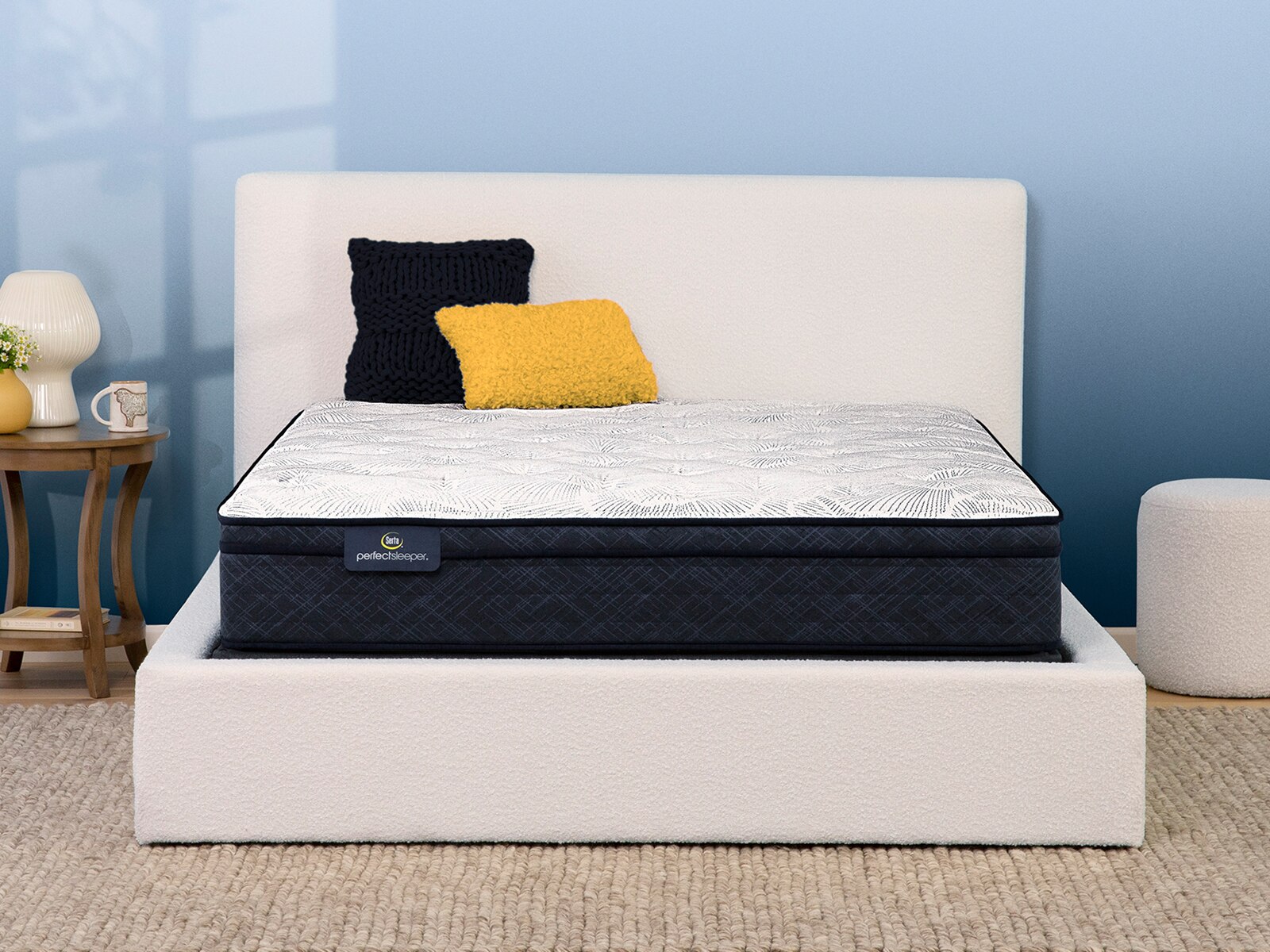
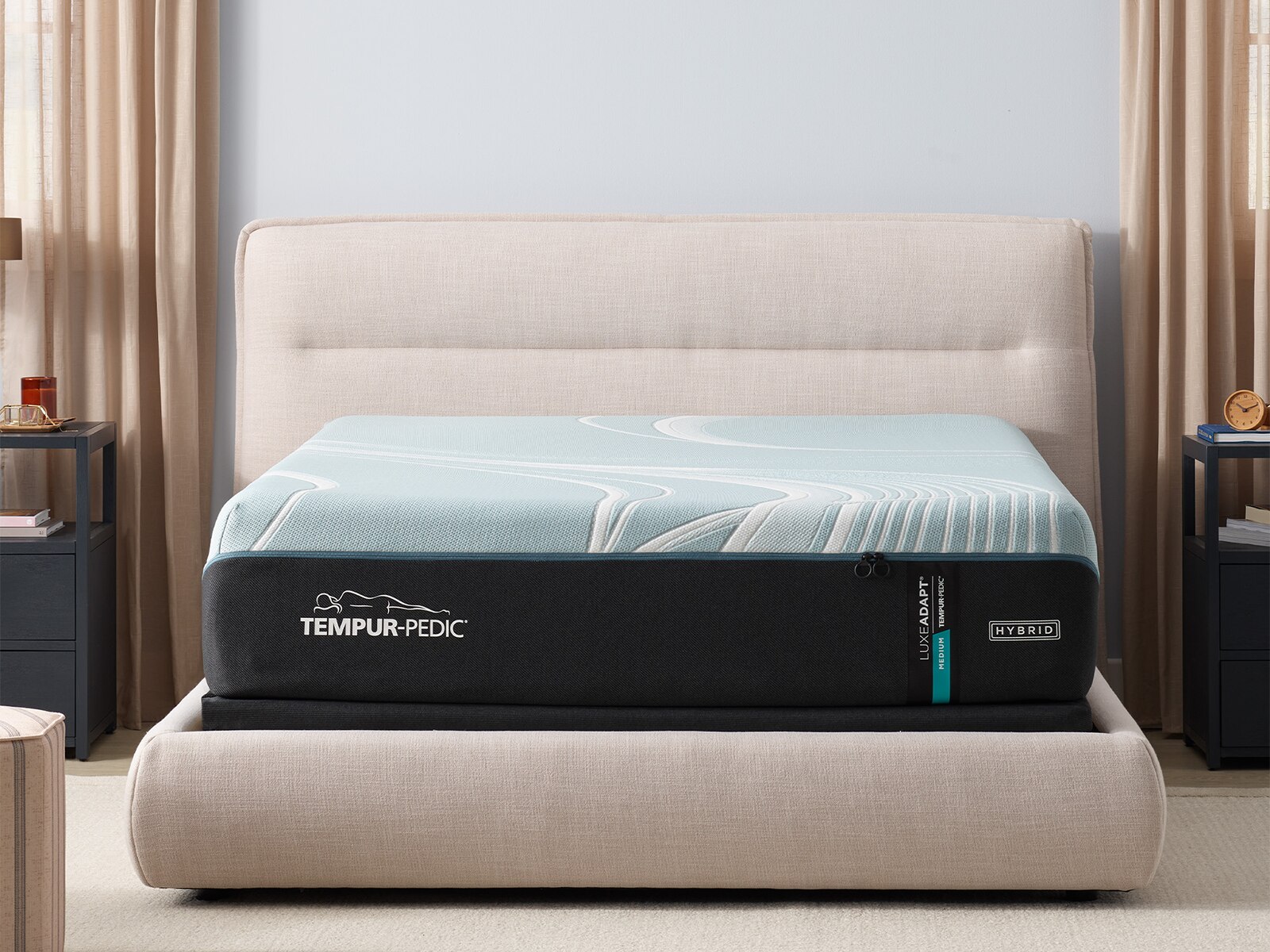
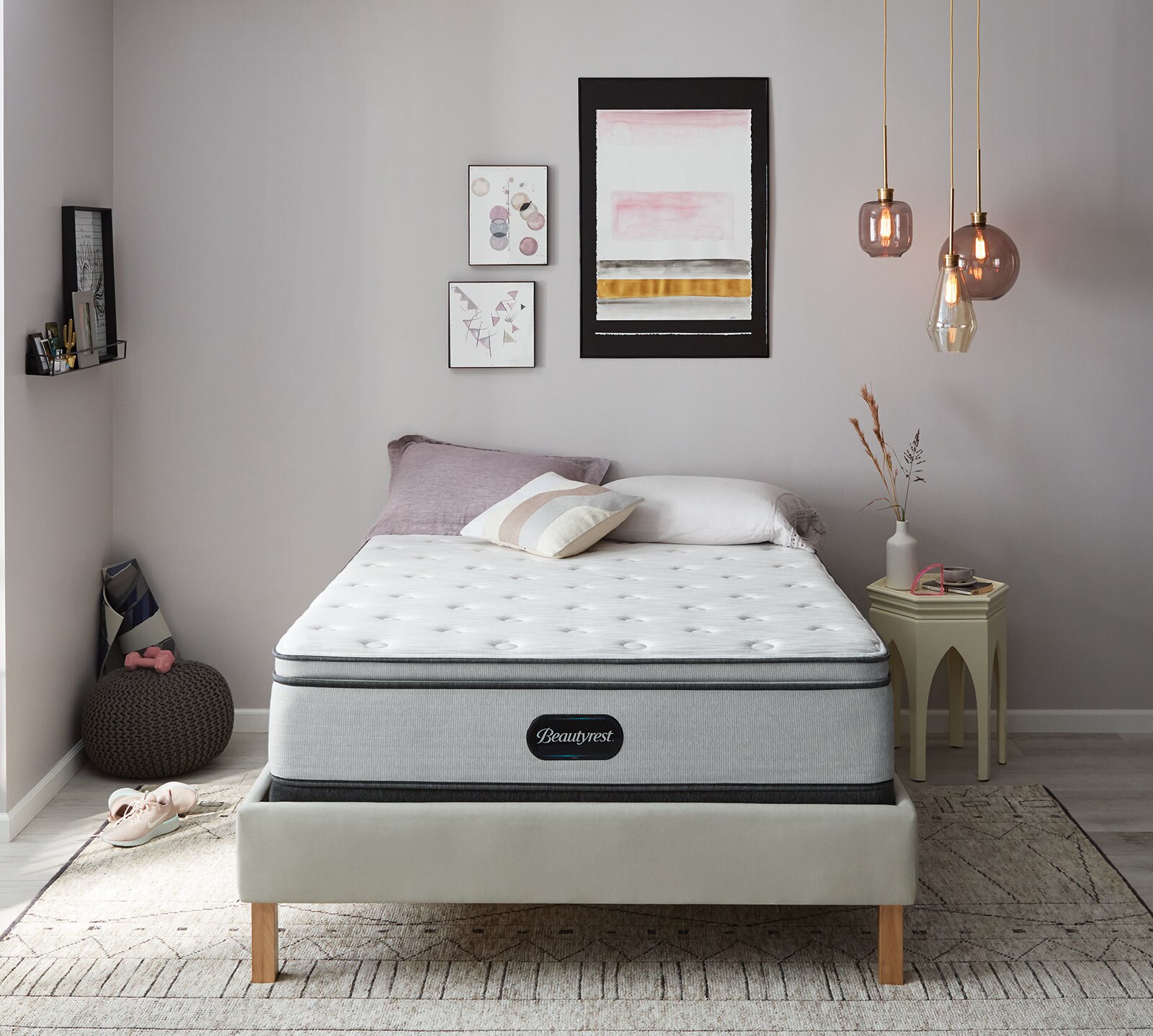
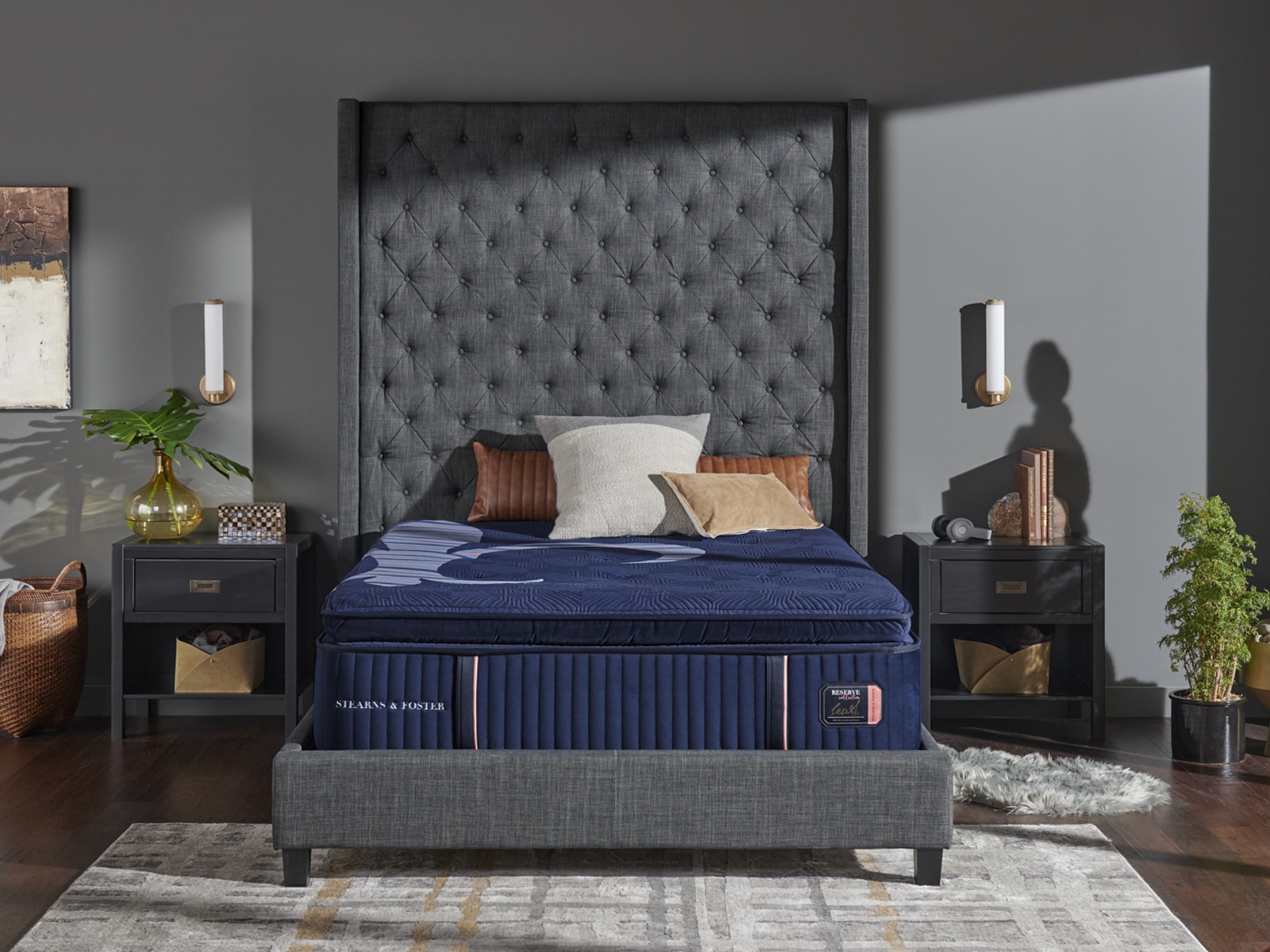
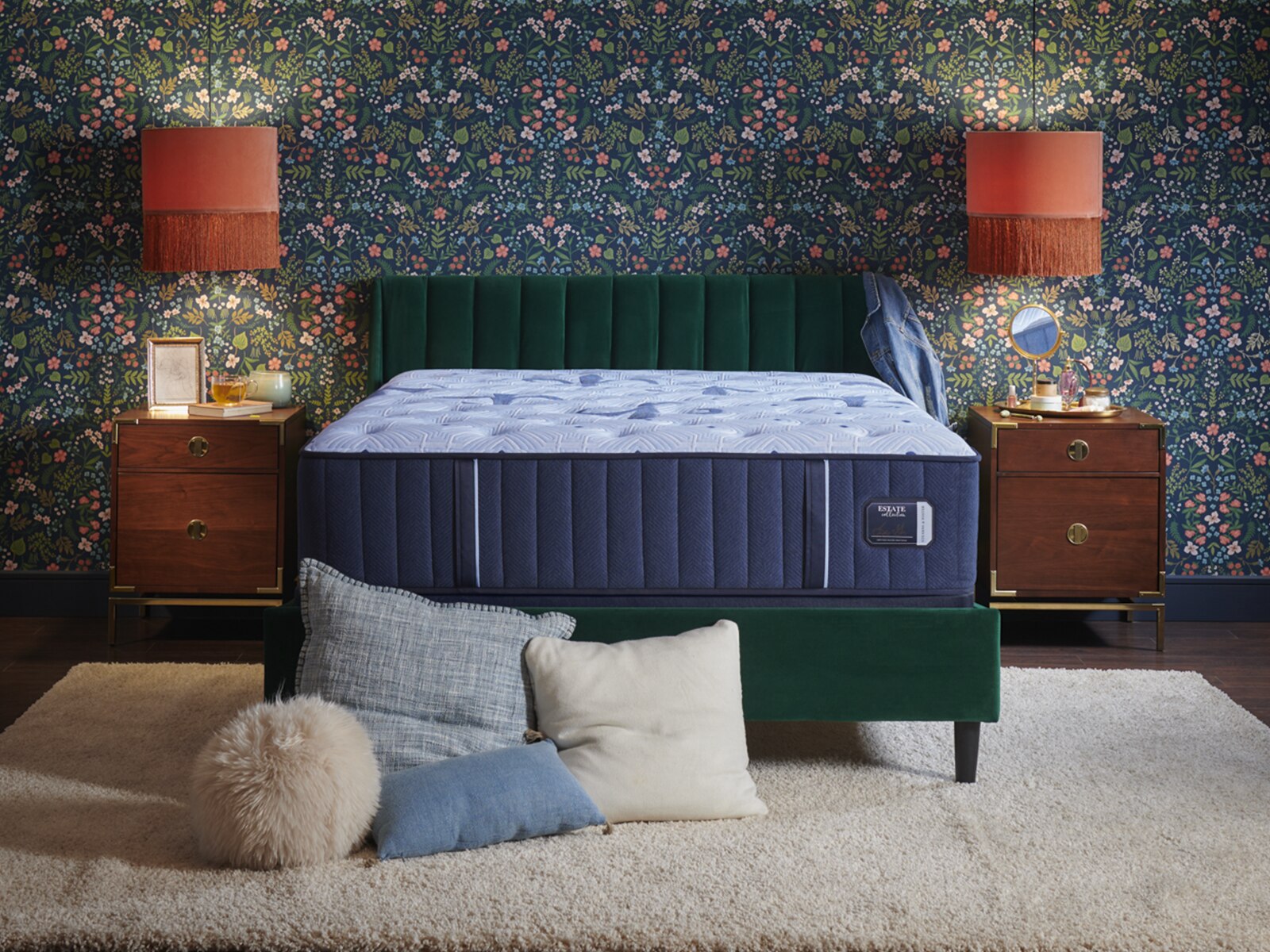
Queen shape holding mattresses are intended to maintain a supportive, even sleep surface through repeated use. Shape retention describes how well a mattress recovers after pressure is removed and resists lasting indentations over time; it does not mean the surface needs to feel rigid. A standard queen mattress measures 60 inches wide by 80 inches long, providing room for one person to stretch out or two people to share. Within those dimensions, the materials beneath the cover make a meaningful difference in how consistently the mattress supports your body. Innerspring mattresses rely primarily on a coil system, while hybrids combine coils with cushioning layers made from materials such as memory foam, other cushioning foams or latex. All-foam mattresses use a foam support core beneath their comfort layers. Each construction can provide dependable support when its components work well together. Memory foam contours under pressure and typically returns to its original shape gradually, so a temporary outline after getting up is not necessarily a sign of sagging. Latex generally responds more quickly, offering cushioning with a buoyant feel. In a hybrid or innerspring design, coils compress under weight and rebound as pressure changes. Individually wrapped coils can respond more independently to different areas of the body, though their presence alone does not establish how long a mattress will last. Foam density, coil design, cushioning thickness and the quality of the overall construction all contribute to durability. Higher-density foam can be more resistant to wear than lower-density foam of the same type, but density and firmness are different characteristics. A firm surface is not automatically more durable, and a softer mattress can still have a substantial support core. The useful distinction is between cushioning that comfortably gives beneath shoulders and hips and a deeper loss of support that leaves the body resting in a hollow. Shape retention depends on the complete mattress, not simply a thick profile, a high coil count or a firm label.
The right queen mattress balances that lasting structure with comfort suited to the people sleeping on it. Side sleepers often benefit from enough cushioning to accommodate shoulders and hips without allowing the waist to lose support. Back sleepers may prefer a surface that follows the lower back while keeping the pelvis from settling too deeply, and stomach sleepers often need a firmer feel that limits sinking through the middle. These are starting points rather than fixed rules: body weight, proportions and personal preferences affect how the same mattress feels. Someone who changes positions throughout the night may appreciate responsive materials that make rolling over feel less effortful. For two sleepers, a queen mattress also needs to accommodate repeated movement and different patterns of pressure across the surface. A partner who sits along the edge to put on socks places weight differently from someone resting near the center all night. Reinforced edges can help the perimeter feel steadier when sitting or lying near the side, although edge support is not a guarantee against wear elsewhere. Couples who also want less movement traveling across the bed can explore
Queen Motion Reducing Mattresses, since motion isolation and shape retention address different aspects of shared comfort. Room fit matters, too. The mattress measures 60 by 80 inches, but the surrounding frame may take up additional space, and a usable bedroom needs clearance for walking, opening drawers and getting into bed. A queen can suit a primary bedroom, a guest room used by visiting family or a room transitioning from a smaller bed. Mattress height affects the finished bed height and the pocket depth needed for fitted sheets. Beneath it all, a compatible foundation is essential: slat spacing, center support and adjustable-base compatibility should match the mattress manufacturer's requirements. Even a well-built mattress can develop uneven support when placed on a bowed frame or a base with gaps wider than permitted.
Everyday care helps a queen mattress maintain its intended shape, but it cannot compensate for an unsuitable foundation or worn internal materials. A properly fitted mattress protector helps limit exposure to spills, perspiration and everyday debris without needing to add a thick layer of cushioning. Bedding that fits securely is also easier to keep smooth, particularly on a deeper mattress. When a spill occurs, cleaning should follow the manufacturer's directions, with care to avoid saturating the upholstery or foam. The surface needs to dry thoroughly before bedding is replaced. Routine rotation can distribute repeated pressure more evenly when the manufacturer recommends it; the appropriate schedule varies by construction. Most one-sided mattresses should not be flipped, because their comfort layers and support core are arranged to work in a particular direction. A mattress designed for use on both sides is an exception, with its own care instructions. For a shared bed, rotating an approved mattress head to foot can change where each person's shoulders and hips rest over time. Avoiding repeated concentrated pressure, such as standing or jumping on the surface, also helps protect the internal structure. A mattress delivered compressed may need time to expand before its shape and comfort can be assessed, so the stated setup period matters. Over years of use, some softening and shallow body impressions can develop without indicating that the mattress has stopped providing support. Persistent hollows, a noticeable slope toward one area or discomfort associated with uneven support deserve closer attention. Many mattresses provide useful comfort for roughly seven to 10 years, but construction, use, care and the supporting base can shorten or extend that span. Warranty terms may distinguish normal impressions from covered defects and specify how indentation depth is measured. A topper can change surface cushioning, but it will not repair a sagging support system. Lasting comfort comes from a mattress that suits its sleepers, rests on the right foundation and continues to provide an even, comfortable place to settle each night.