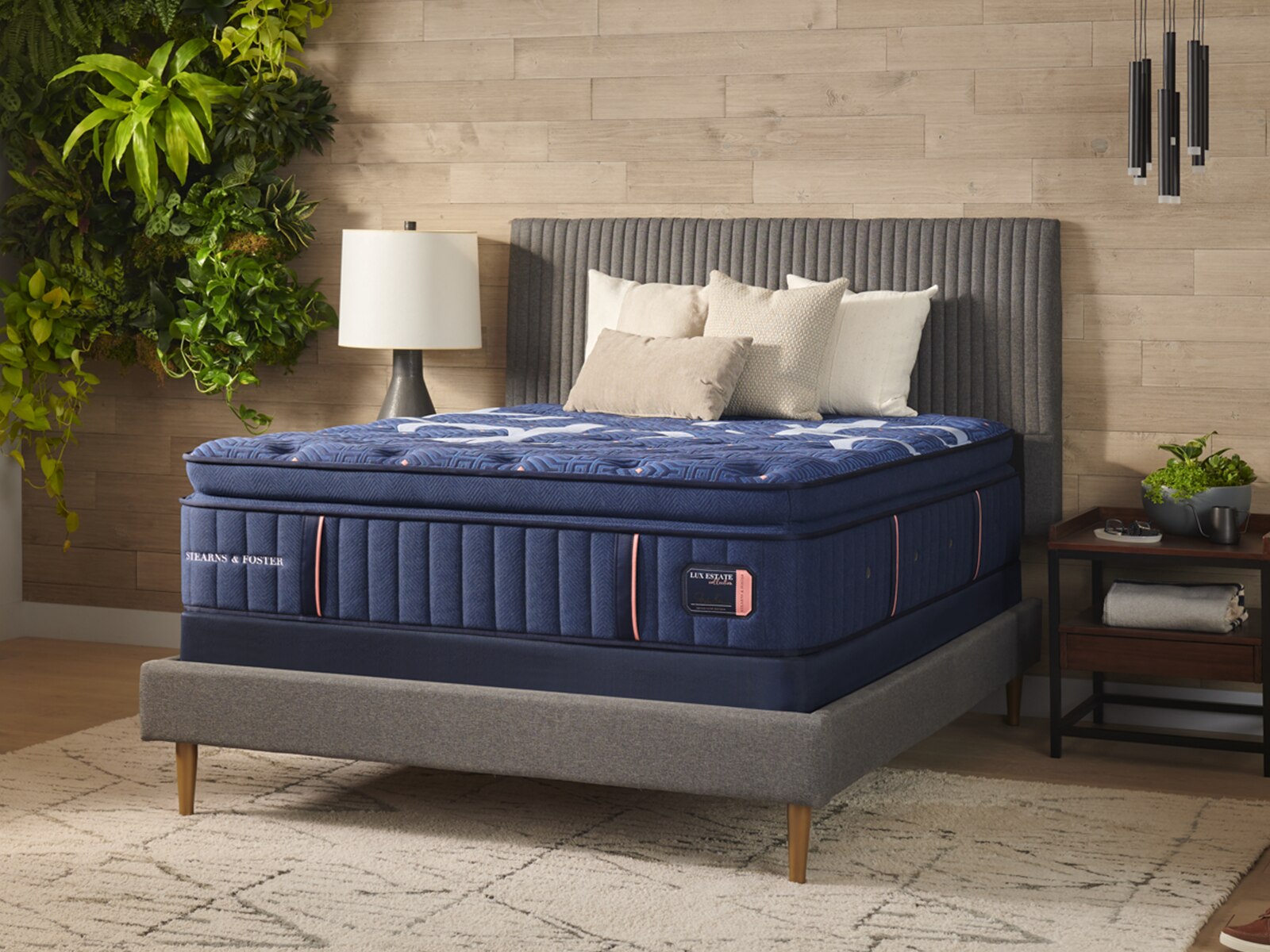
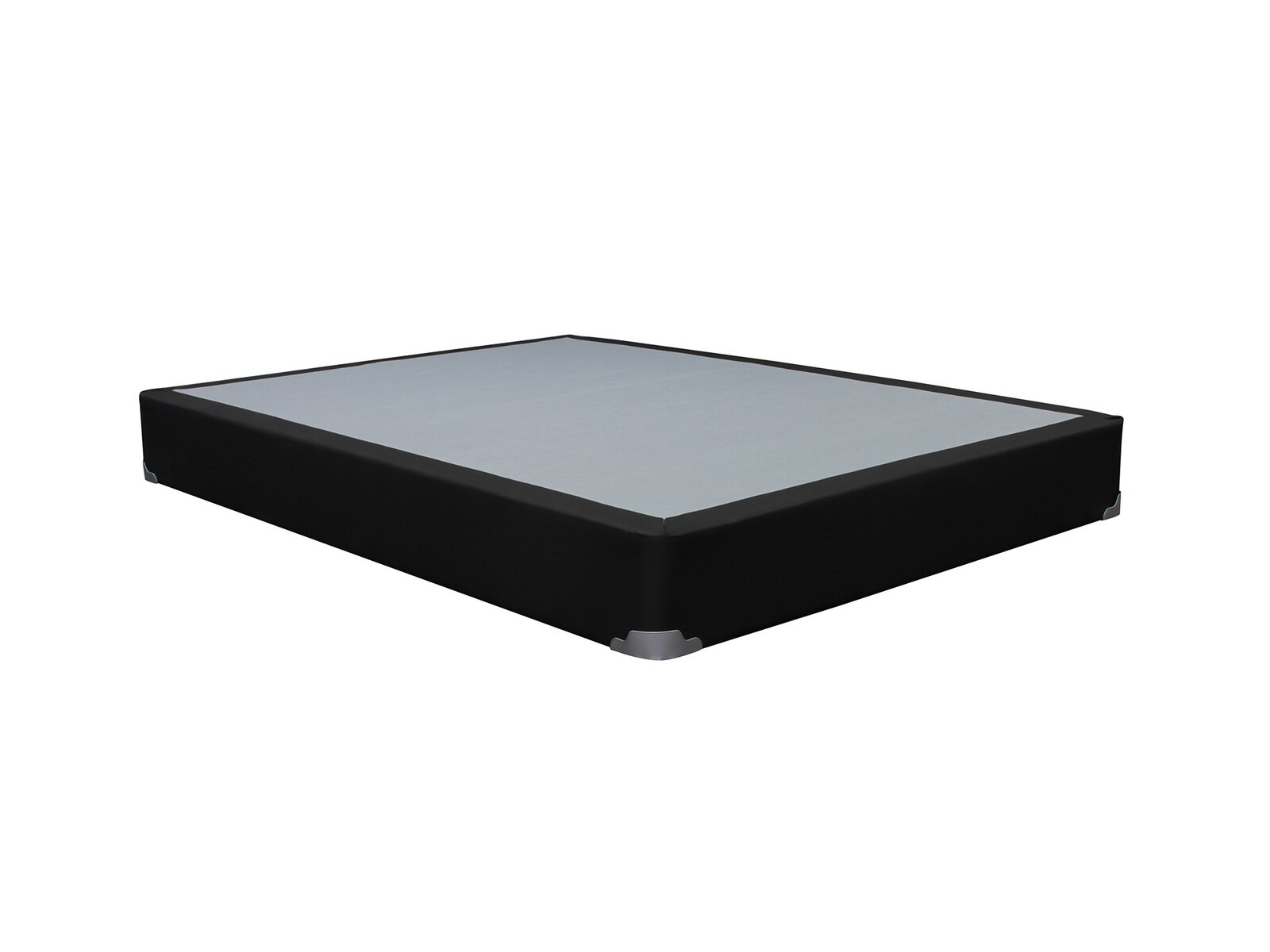
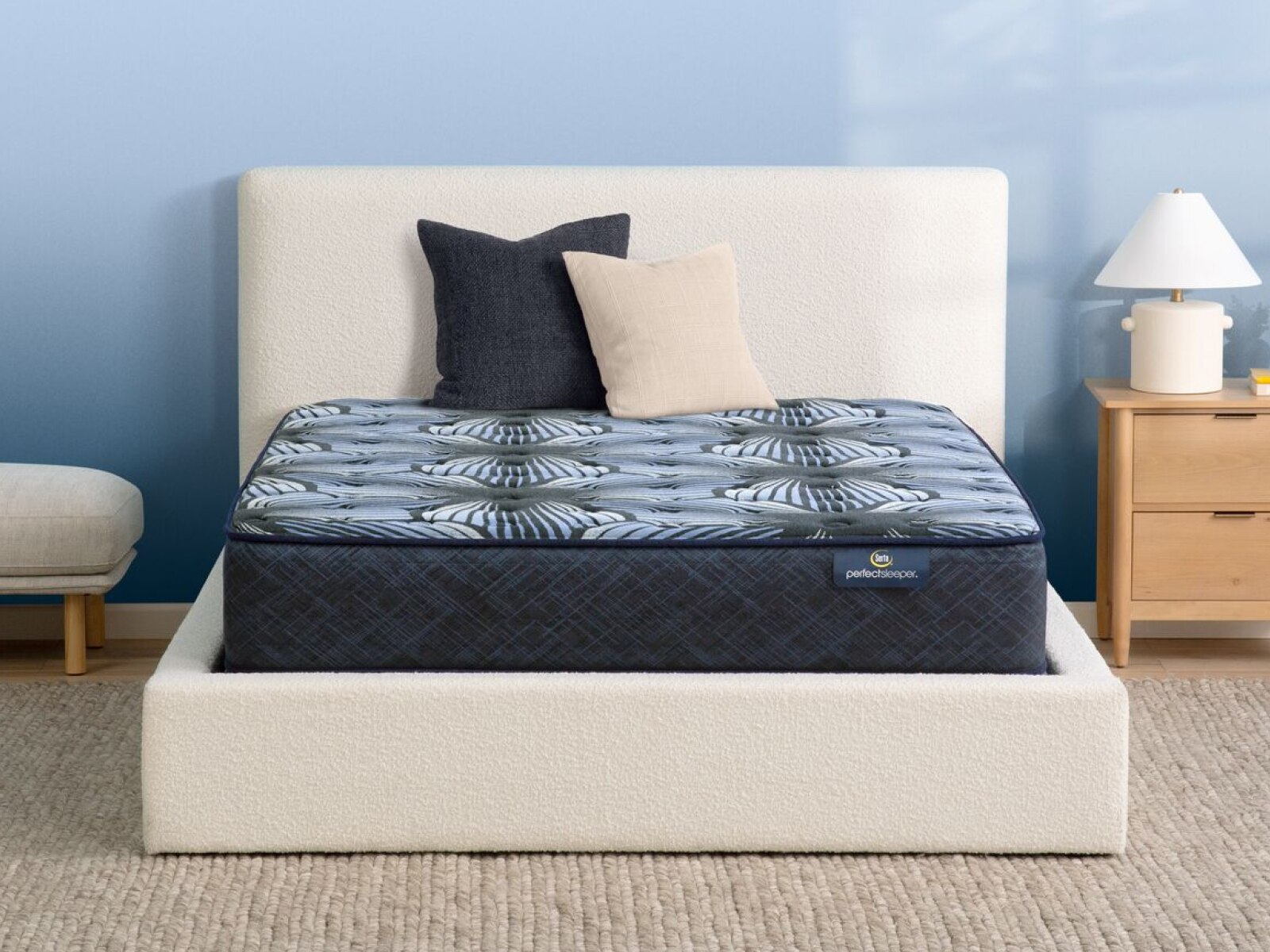
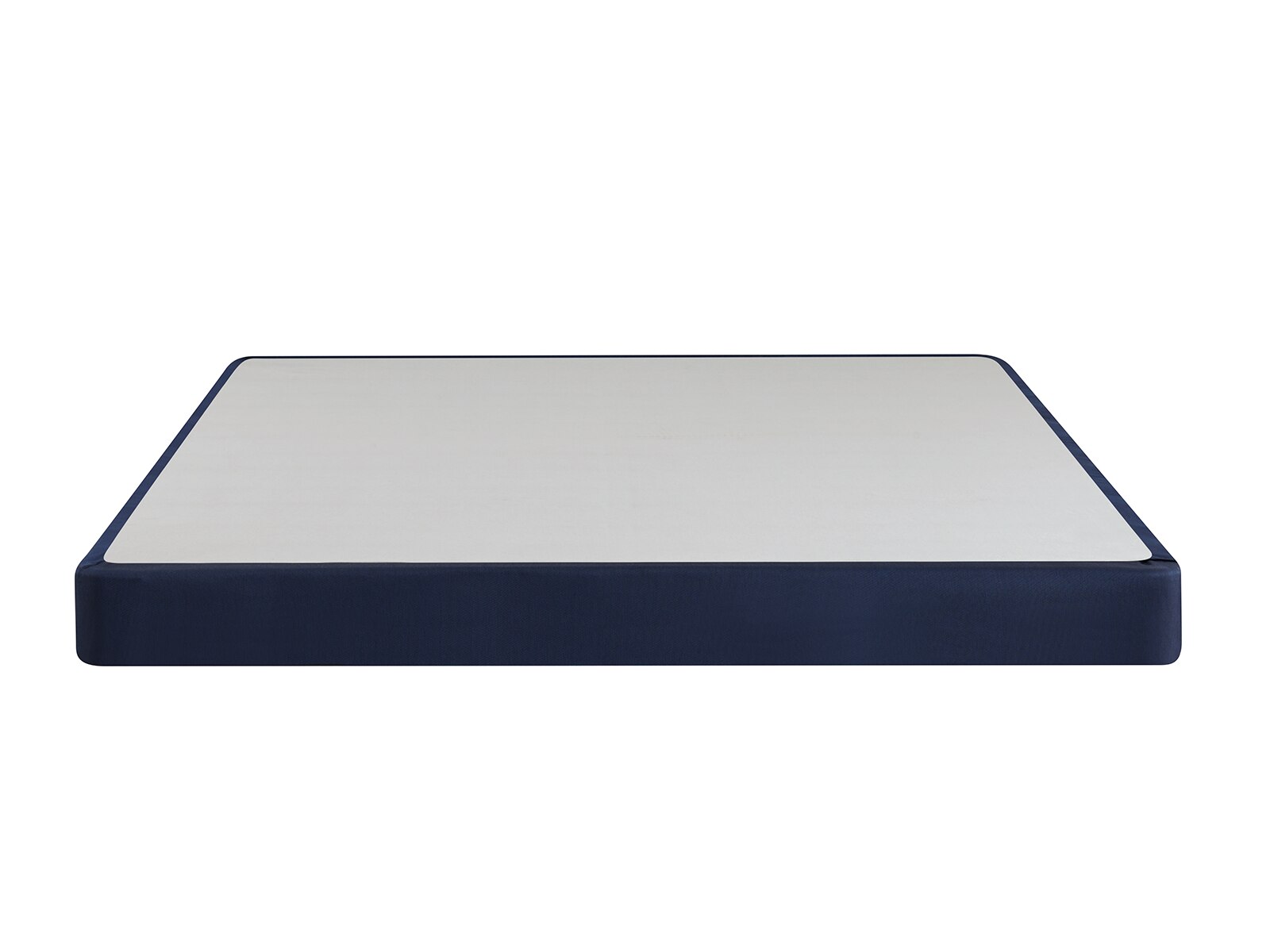
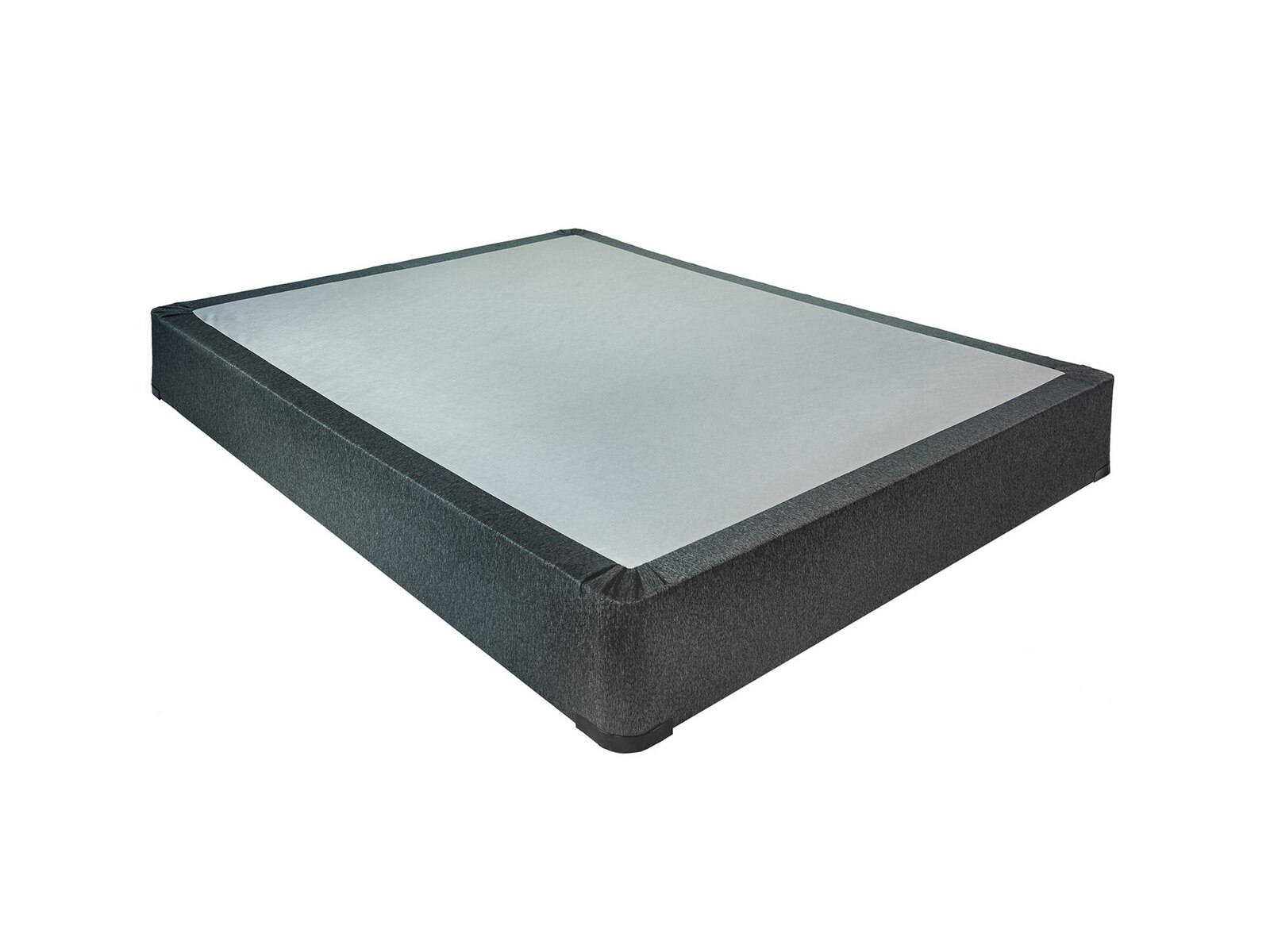
Solid surface mattress supports provide a firm, level base beneath a mattress, helping distribute its weight without the large openings found in some slatted frames. This category can include solid-panel platforms, flat foundations and certain bunkie boards, although construction varies and not every bunkie board has a continuous top. When matched to the mattress and bed frame, a suitable support helps keep the mattress evenly supported instead of allowing portions to dip into unsupported gaps. That distinction matters for many foam, latex and hybrid mattresses, which may require a rigid foundation or closely spaced supports rather than a traditional spring-based box spring. The mattress manufacturer’s requirements determine whether a particular surface is appropriate; a solid top alone does not establish compatibility. These supports serve a different purpose from a mattress topper: they sit underneath the mattress to provide structure, not above it to add cushioning. They also cannot restore worn comfort layers or correct permanent indentations within an aging mattress. Their value is in creating the stable base a compatible mattress needs to perform as intended. A low-profile support can make sense for a thick mattress that already sits high on a frame, while a taller foundation may help create a more comfortable bed height. Picture a bedroom where the mattress rises well above the nightstand, making the whole setup feel awkward. A thinner support may help bring those surfaces closer together without changing the mattress itself, provided the frame supplies the structure it requires. In another room, a substantial foundation may make getting into and out of bed feel more natural. Neither height is automatically better. The right combination depends on the mattress thickness, frame design and person using the bed. For a primary bedroom, a child’s room or a guest space, solid surface mattress supports are part of the bed’s underlying structure, even when they remain completely out of sight beneath the bedding.
Construction is an important part of choosing a
Solid Mattress Base, since the visible fabric does not reveal everything beneath it. A support may use plywood, engineered wood or a panel mounted over an internal wood or metal framework. Some have upholstered covers that create a finished appearance and help separate the mattress from the structural surface. Others have exposed panels or a thinner fabric wrap. What matters is the complete assembly: the strength of the panel, the framework beneath it, the connections between components and the support supplied by the bed frame. A thin board designed to rest on existing slats should not be expected to span an open frame unless its manufacturer specifically permits that use. Likewise, a foundation that belongs inside a separate frame is not necessarily intended to stand directly on the floor or accept added legs. Fit involves more than selecting twin, full, queen or king. The support’s actual dimensions need to suit both the mattress and the frame’s interior opening, without forcing the panel into place or leaving edges inadequately supported. Center rails and floor-contacting legs can be especially important for wider beds, but the required arrangement depends on the design. Stated weight limits should account for the mattress and everyone who uses it, rather than the mattress alone. For larger foundations, split construction may make moving through narrow doorways or around a tight staircase easier, provided the assembled sections are supported as directed. An adjustable base requires separate attention because a rigid panel may prevent articulation or interfere with moving parts. A solid support should never be added to an adjustable setup unless the manufacturers confirm compatibility. Written mattress requirements and warranty terms are useful references throughout the comparison, particularly when replacing an older foundation while keeping the same mattress. A foundation can look sturdy yet still be the wrong match for that mattress.
Day-to-day care for solid surface mattress supports is usually straightforward, but the details depend on the materials and covering. An upholstered surface may need gentle vacuuming with an appropriate attachment, while an exposed panel may allow cleaning with a soft cloth according to its care instructions. Excess moisture can damage some wood-based materials, and soaking a fabric cover can leave dampness trapped where it is difficult to see. Spills deserve prompt attention, with the mattress kept off any affected surface until everything is fully dry. Airflow also deserves consideration because a continuous panel offers less open space beneath the mattress than a slatted design. Room humidity, mattress construction and the foundation’s ventilation features all influence how readily moisture can dissipate. A mattress protector can help manage spills from above, but it does not replace the need for a suitable foundation and appropriate ventilation. Resting a mattress or foundation directly on the floor may restrict airflow further and should follow the manufacturer’s guidance rather than convenience alone. During a bedding change or mattress rotation, a quick look beneath the bed can reveal a loose connection, a shifted center leg or a panel that no longer sits flat. New noises, visible bowing, cracks or a rocking frame are reasons to inspect the structure before continued use. Moving also puts stress on these components: lifting a support as directed, protecting its corners and avoiding dragging can help preserve its shape and connections. Durability comes from the entire bed working together, not simply from a thick-looking top panel. A well-matched setup can suit a frequently used primary bed, provide a dependable foundation in a guest room or preserve a preferred frame when mattress support requirements change. The most useful choice is one that fits securely, meets the mattress specifications and maintains the intended bed height. With those details aligned, the support can do its job quietly beneath the mattress while the bedroom remains comfortable, practical and easy to care for.