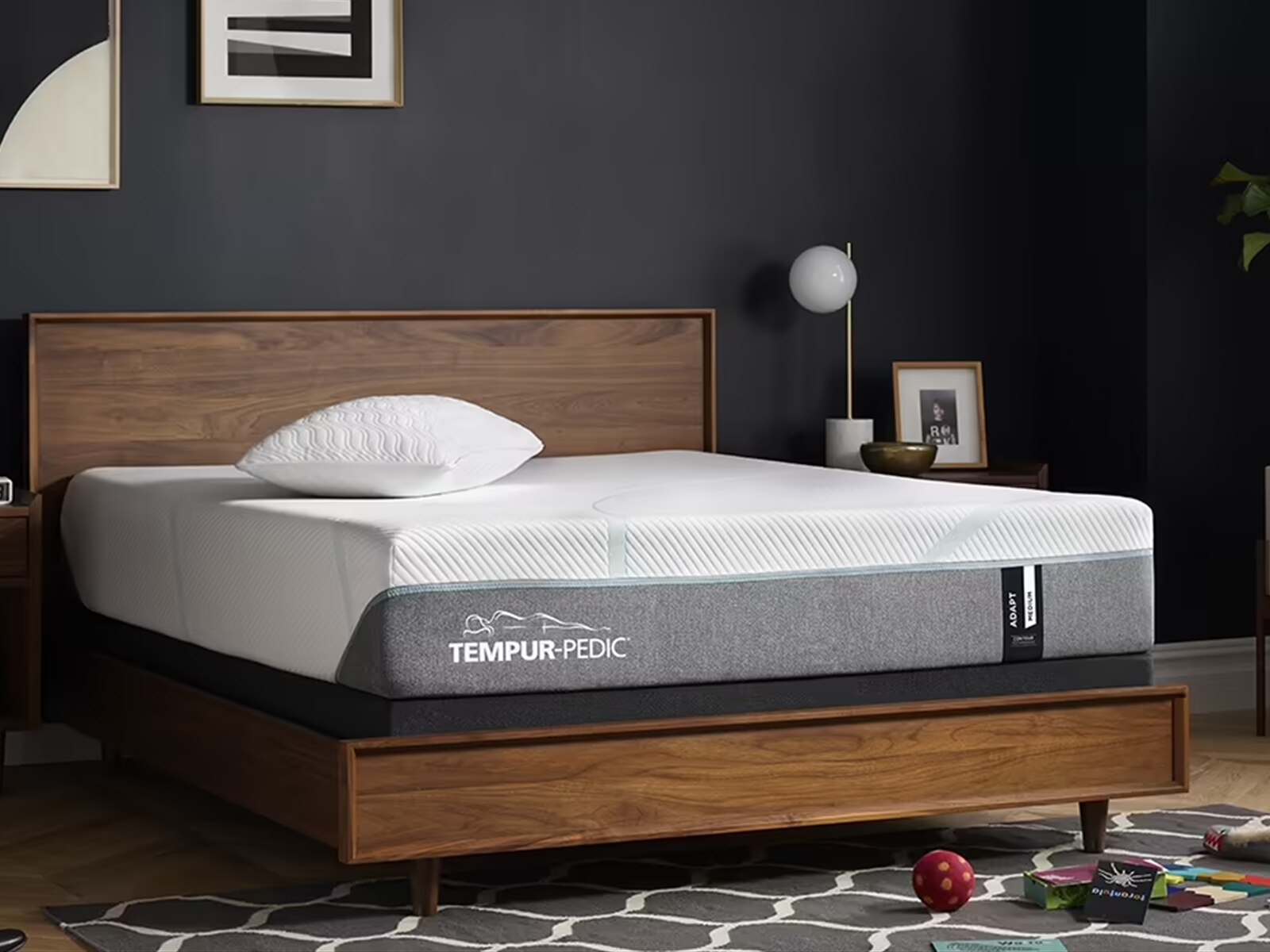
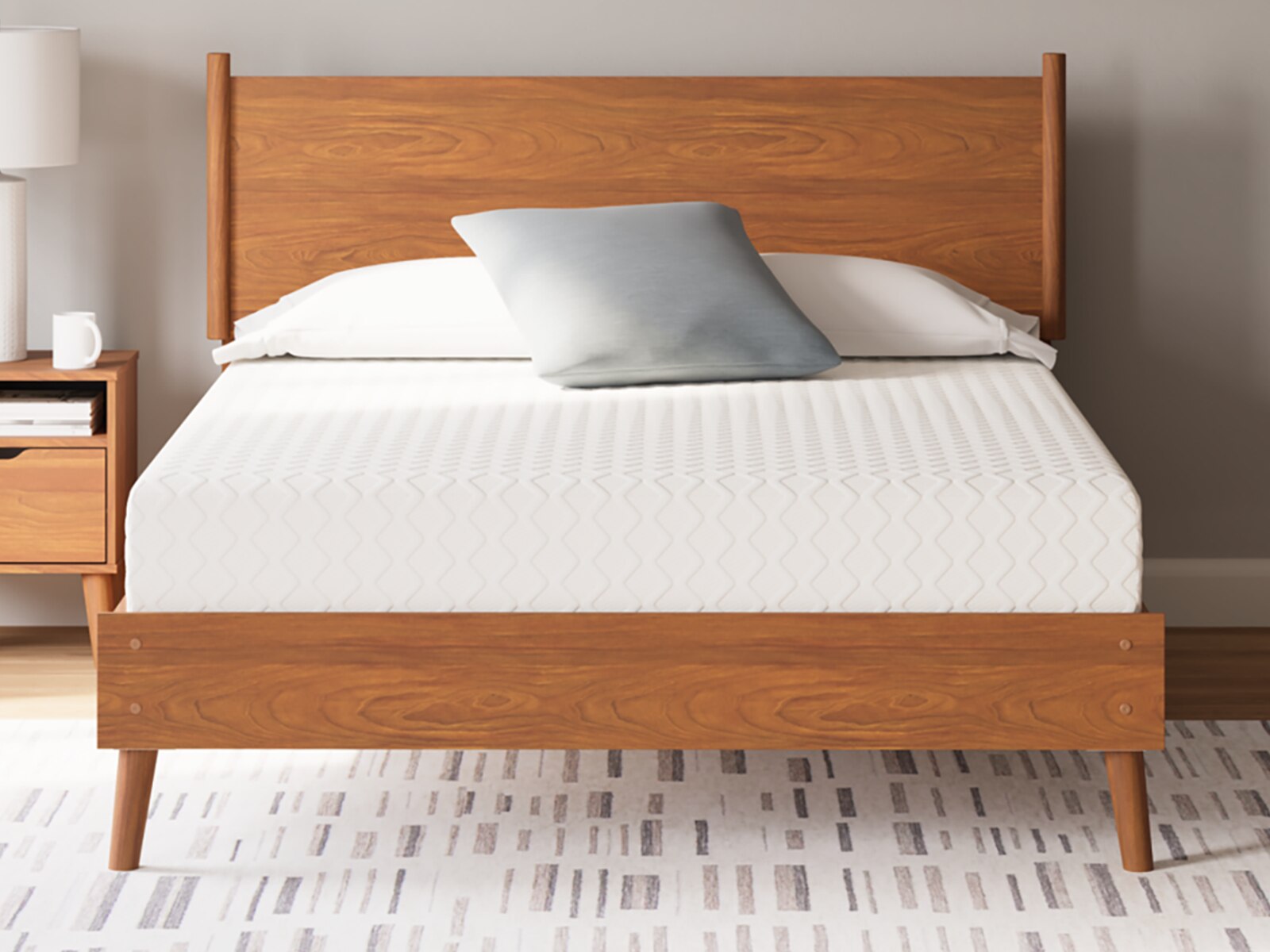
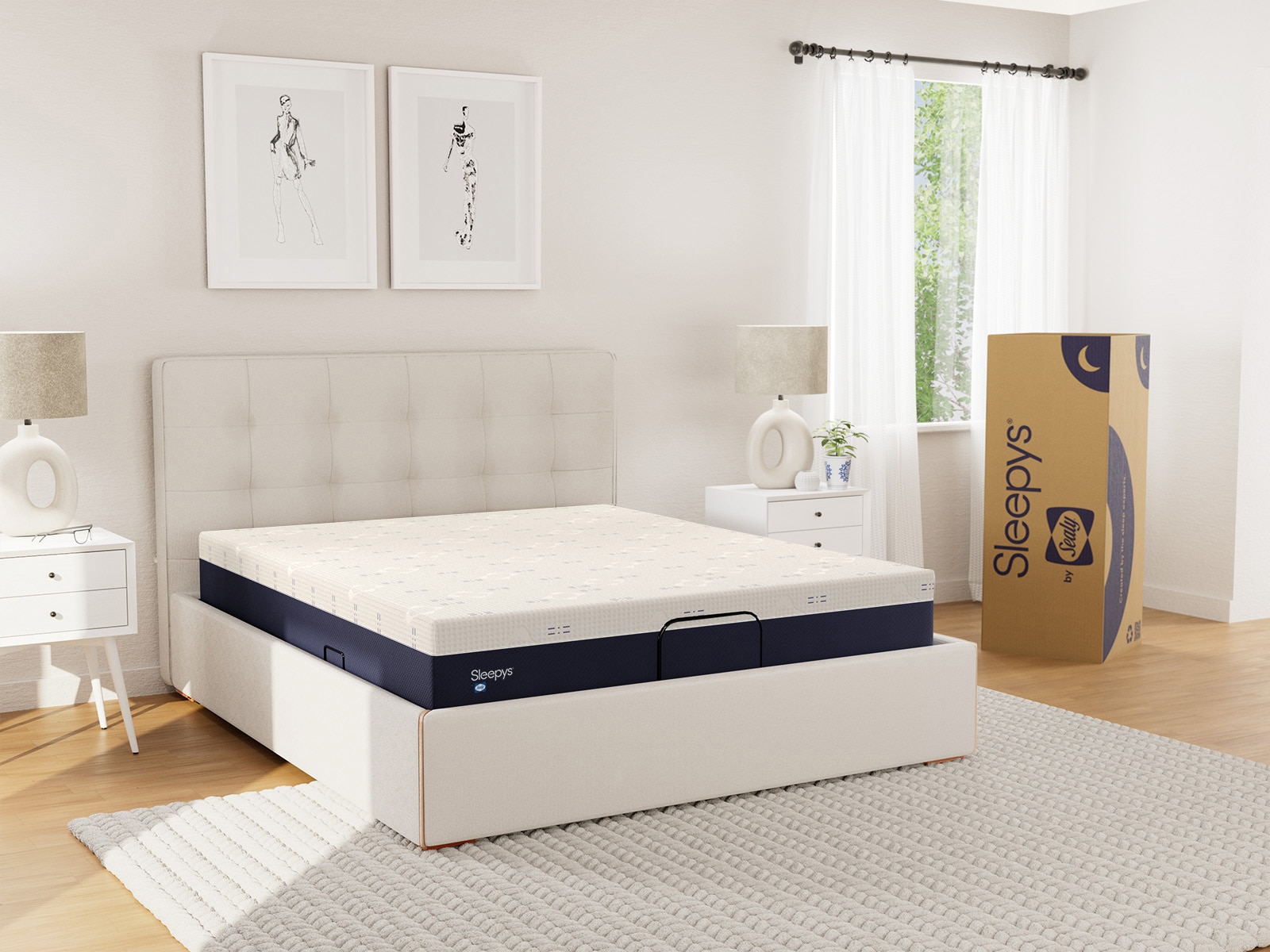
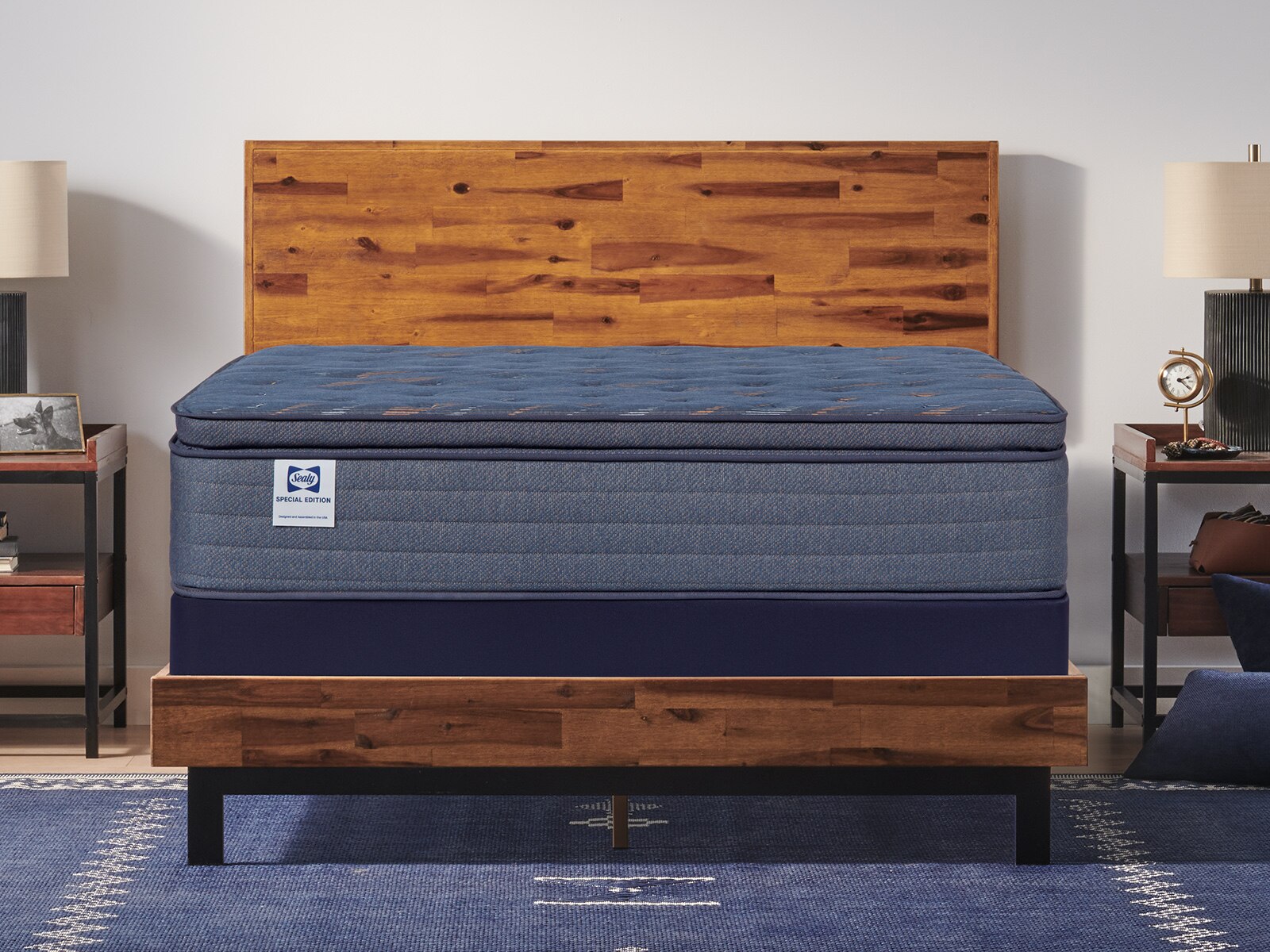
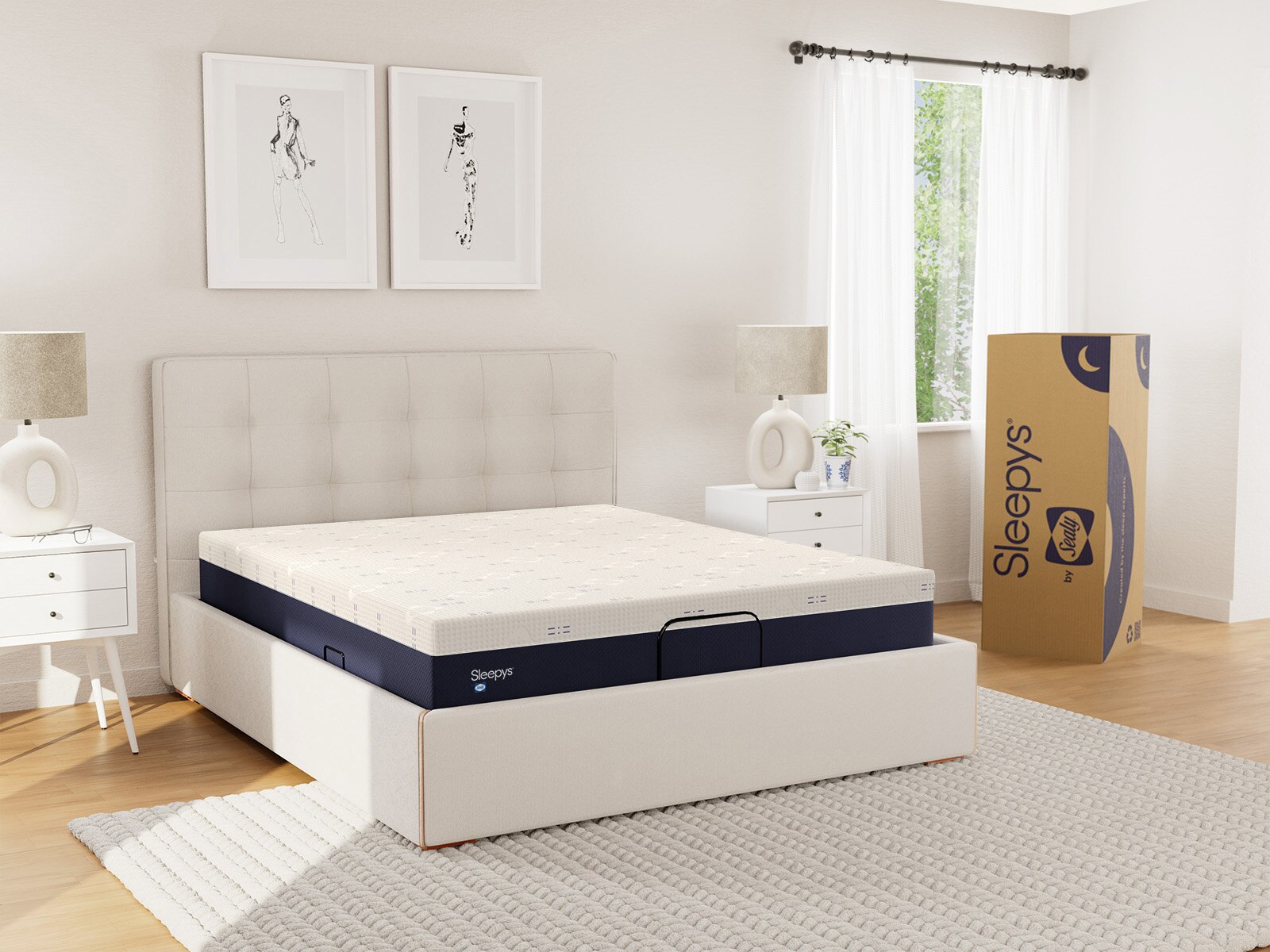
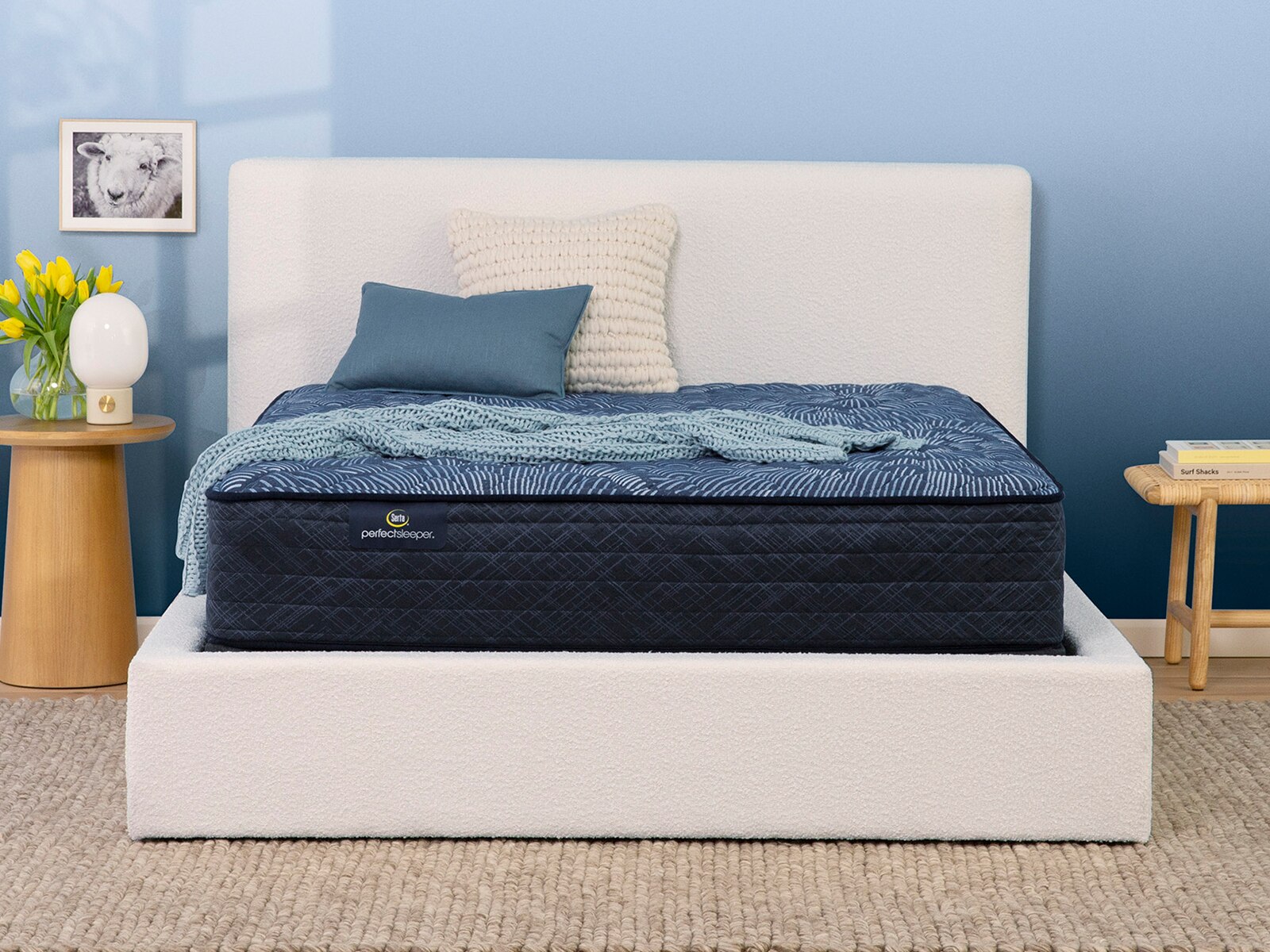
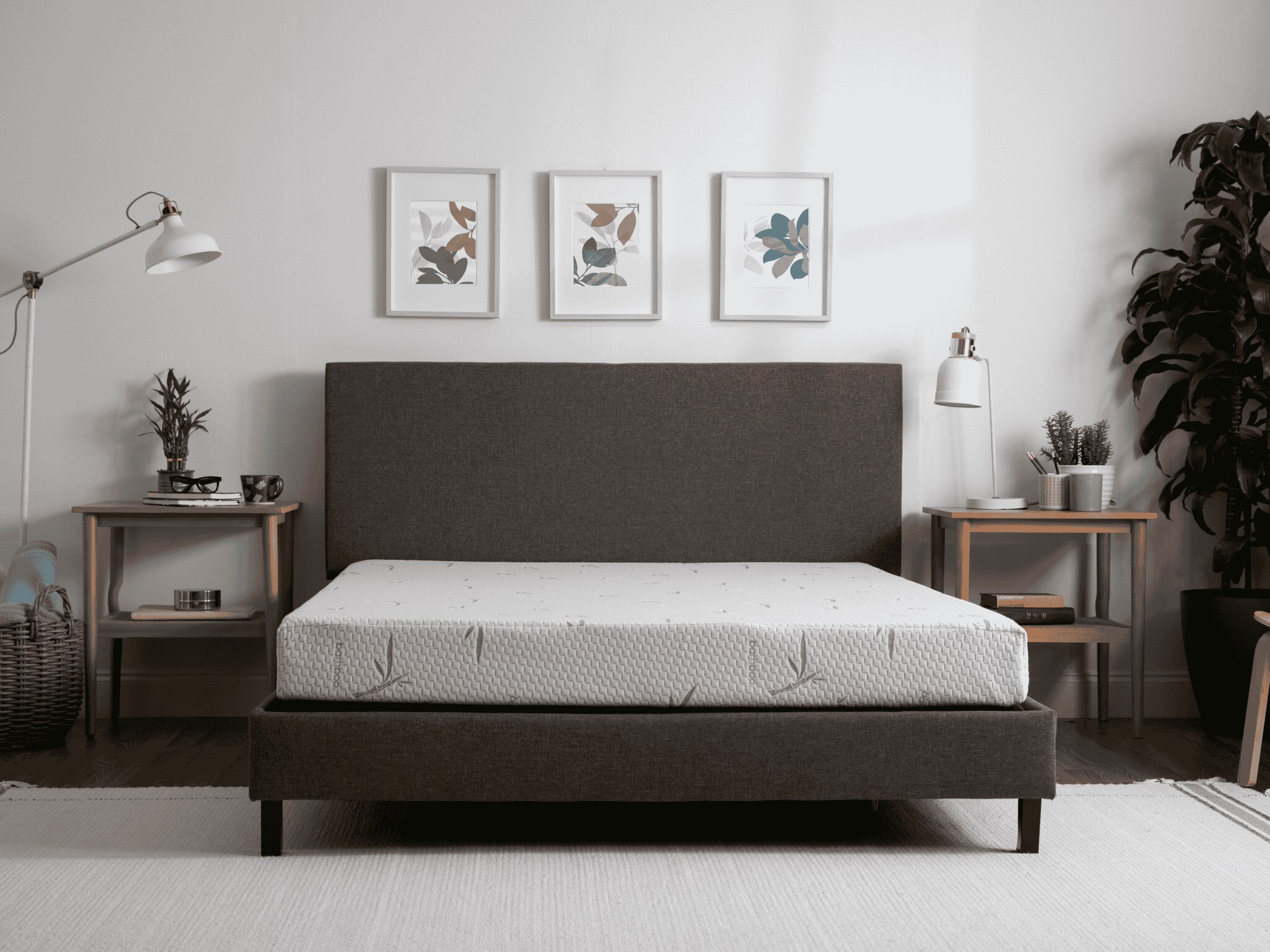
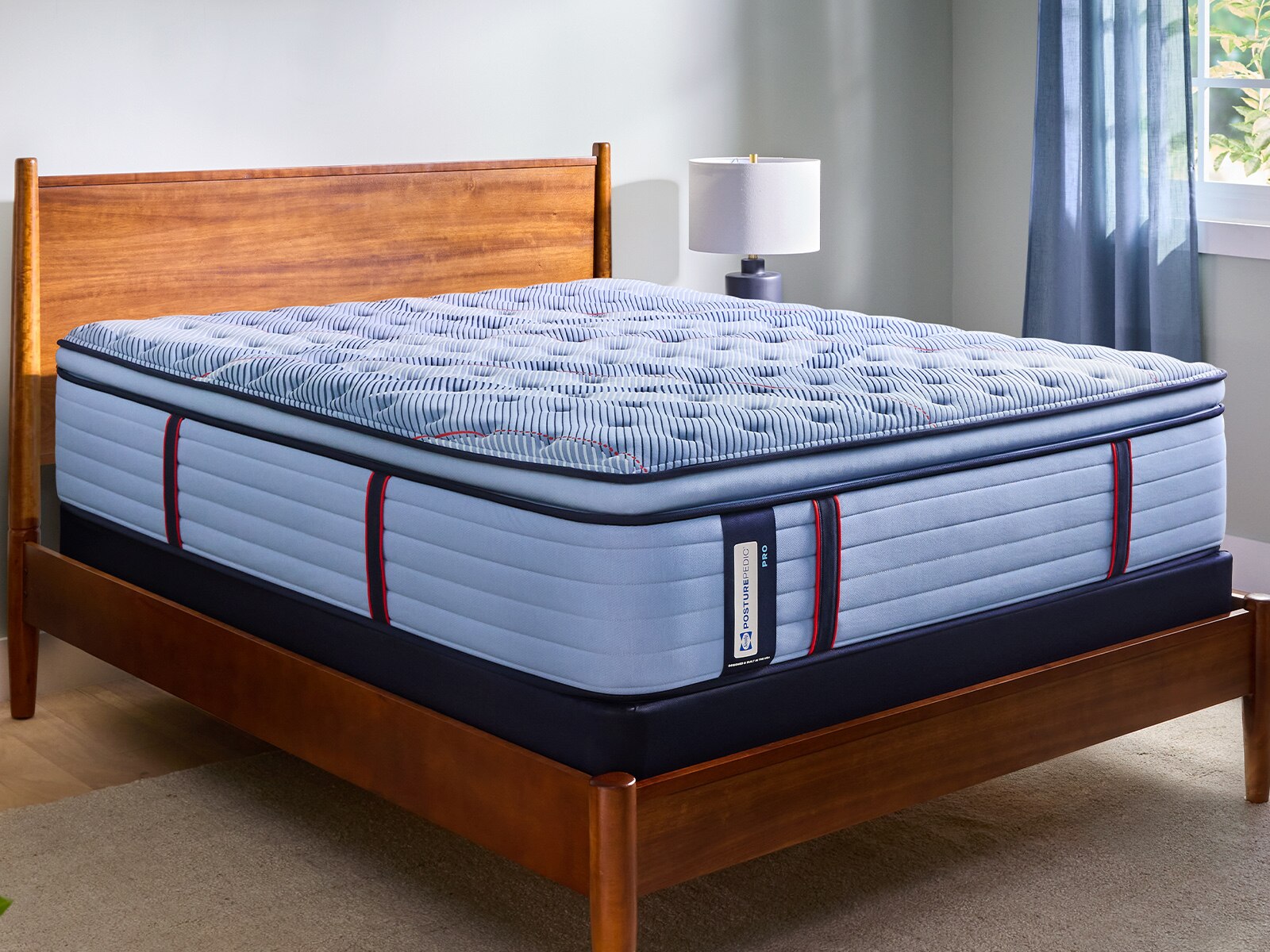
Surface touch foam mattresses are designed to make the first moments of rest feel more comfortable by placing a responsive foam layer close to the sleep surface. This upper layer may be made with memory foam, gel-infused foam, open-cell foam or specialized comfort quilting, depending on the mattress design. As you lie down, the material gently responds to your body’s shape, helping cushion areas that often carry more pressure, such as the shoulders, hips and lower back. That close, contouring feel can be especially appealing to side sleepers, people who prefer a softer initial sensation or anyone who enjoys the feeling of being lightly cradled by their mattress. A surface touch foam design may also help reduce the sensation of movement traveling across the bed, which can be useful when two people share a sleep space and keep different schedules. The exact experience depends on the construction underneath the top layer. All-foam mattresses typically combine a cushioned comfort surface with a denser support core for a steady, grounded feel, while hybrid designs pair foam with individually wrapped coils to add airflow, lift and easier movement. Because the top foam layer influences how quickly you feel pressure relief, it is worth considering how you normally fall asleep, whether you change positions during the night and how much response you prefer when turning over. A deeply contouring surface may feel soothing to sleepers who like a close fit, while a more responsive foam can make the bed feel easier to move across. Mattress firmness is also personal: a lighter sleeper may experience the same mattress as firmer than a heavier sleeper, and a side sleeper may need more cushioning than someone who rests primarily on their back or stomach. Exploring the collection with these differences in mind can make it easier to find a surface touch foam mattress that feels supportive rather than simply soft.
Temperature is another important part of the decision. Traditional memory foam is known for its pressure-relieving feel, but some sleepers notice that dense foam can retain warmth. Surface touch foam mattresses may address this with gel-infused comfort layers, open-cell structures or breathable quilting that encourages heat to move away from the skin. Hybrid construction can add another avenue for ventilation because air has more room to circulate around the coil system. These features may be helpful during warmer weather, in rooms with limited airflow or for sleepers who tend to wake up feeling overheated. They are not a guarantee of a cool night, since sheets, blankets, bedroom temperature and personal comfort all play a role, but they can contribute to a more balanced sleep environment. When comparing options, look beyond the label and review the full construction: identify the materials used in the top comfort zone, note whether the mattress has a breathable cover, consider the support core and check the recommended base. A strong foundation can help the mattress perform as intended, while an unsuitable or worn base may affect comfort and durability. It is also useful to think about the bed’s size, the room layout and who will use it. A surface touch foam mattress can be a thoughtful choice for a guest room because its pressure-relieving feel may suit a variety of visitors, and it can make a practical housewarming or wedding gift when the recipient’s preferred size and firmness are known. For a child moving into a larger bed, a teen updating a room or a loved one creating a more restful space, the right mattress can be a meaningful everyday upgrade rather than a decorative present. If the mattress will be shared, pay attention to motion isolation, sleeping positions and edge support, since these details affect how easily each person can use the full sleep surface. If it is intended for a guest room, a versatile medium feel may accommodate more sleepers than an especially plush or firm design. For additional options with a similar comfort focus, explore
Foam Top Layer Mattresses and compare the materials, support systems and available sizes before making a selection.
A surface touch foam mattress is best considered as part of the complete sleep setup, not as an isolated layer. Pillows should fill the space between the head and the mattress without forcing the neck upward, and side sleepers often benefit from a taller pillow than back sleepers. Breathable sheets and a lightweight comforter can support the cooling qualities of gel-infused or open-cell foam, while a waterproof mattress protector helps guard the surface from spills, perspiration and everyday wear without replacing the need for regular care. Allow a new mattress to fully expand according to the manufacturer’s directions, especially if it arrives compressed, and give your body time to adjust to a different support feel. A brief transition period is common when moving from an older, uneven mattress to a new surface with more contouring. Rotate the mattress only if the care instructions recommend it, and avoid folding, bending or placing it on an incompatible frame. Before ordering, measure doorways and stairwells, confirm the size of the foundation and review delivery, return and warranty information so the entire purchase fits your needs. During the warmer season and into cooler months, comfort can change with bedding layers and room temperature, making breathable materials and adaptable support valuable throughout the year. The most suitable choice will balance immediate surface comfort with the deeper support your body needs over several hours, whether you sleep alone, share the bed, welcome overnight guests or are helping someone create a more comfortable bedroom. With the right combination of foam response, pressure relief, temperature management and structural support, these mattresses can help turn an ordinary bedtime routine into a steadier, more restorative part of the day. We make sleep easy™ by helping you compare the features that matter most, from the feel of the top layer to the foundation beneath it.