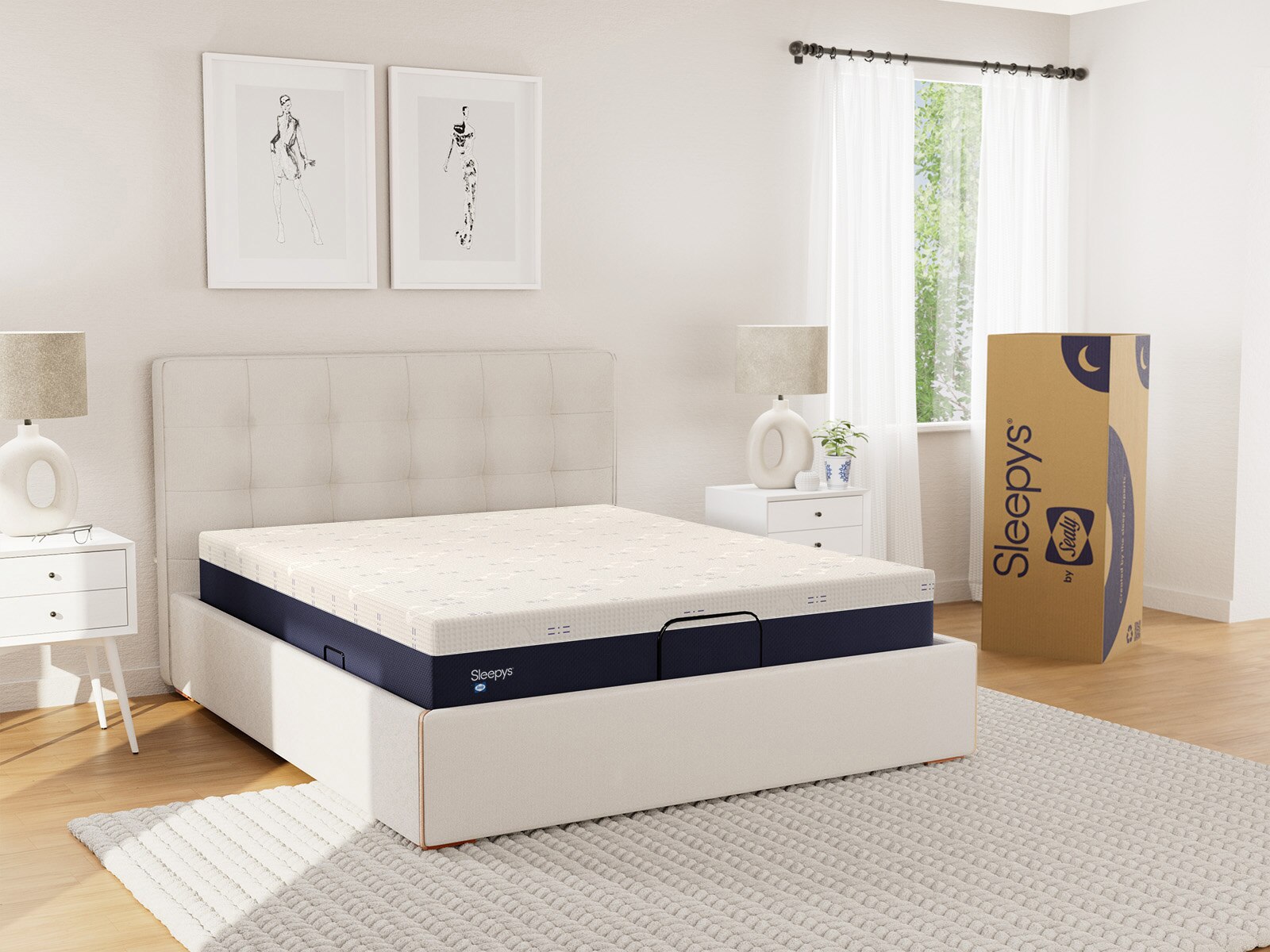
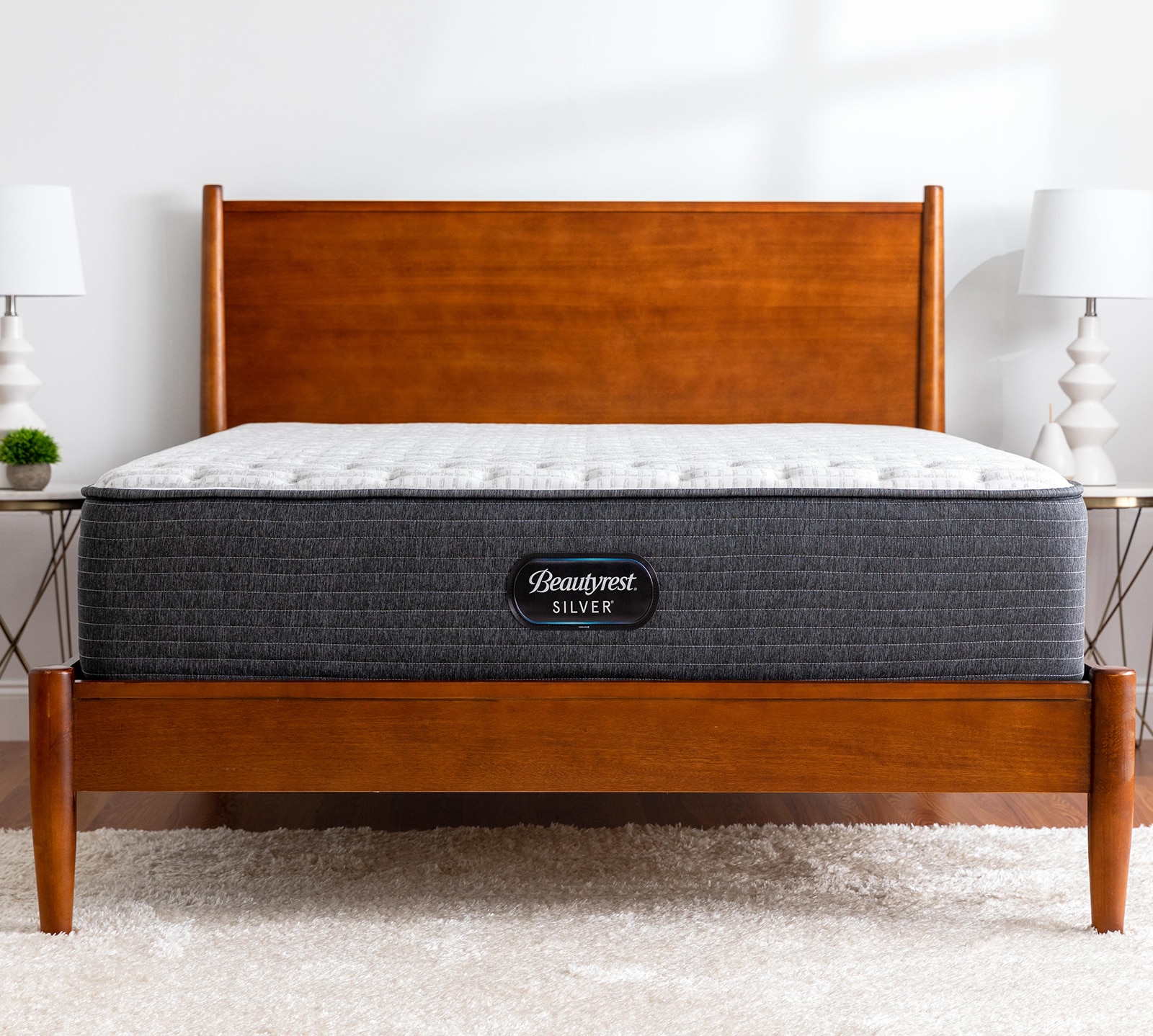
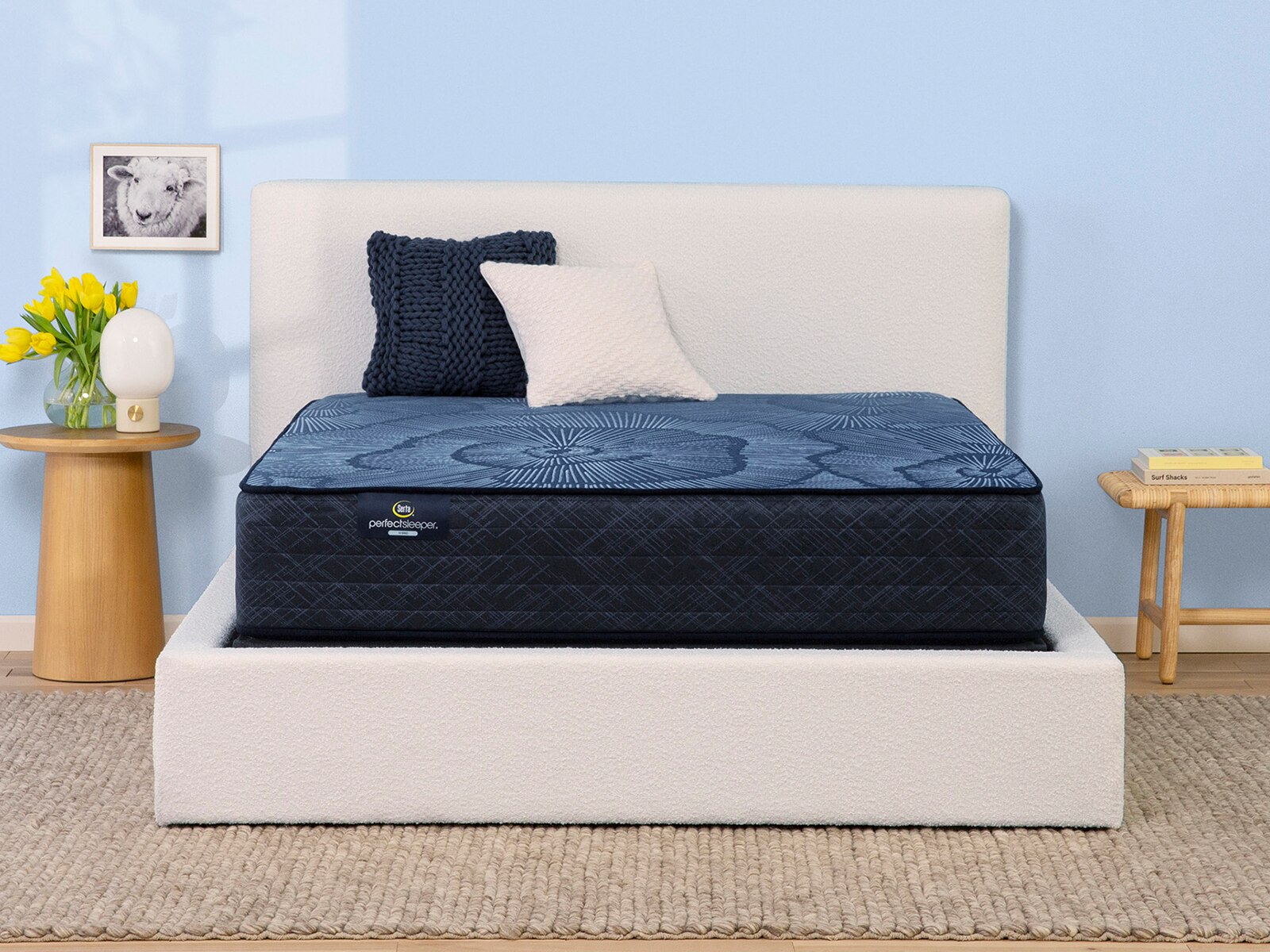
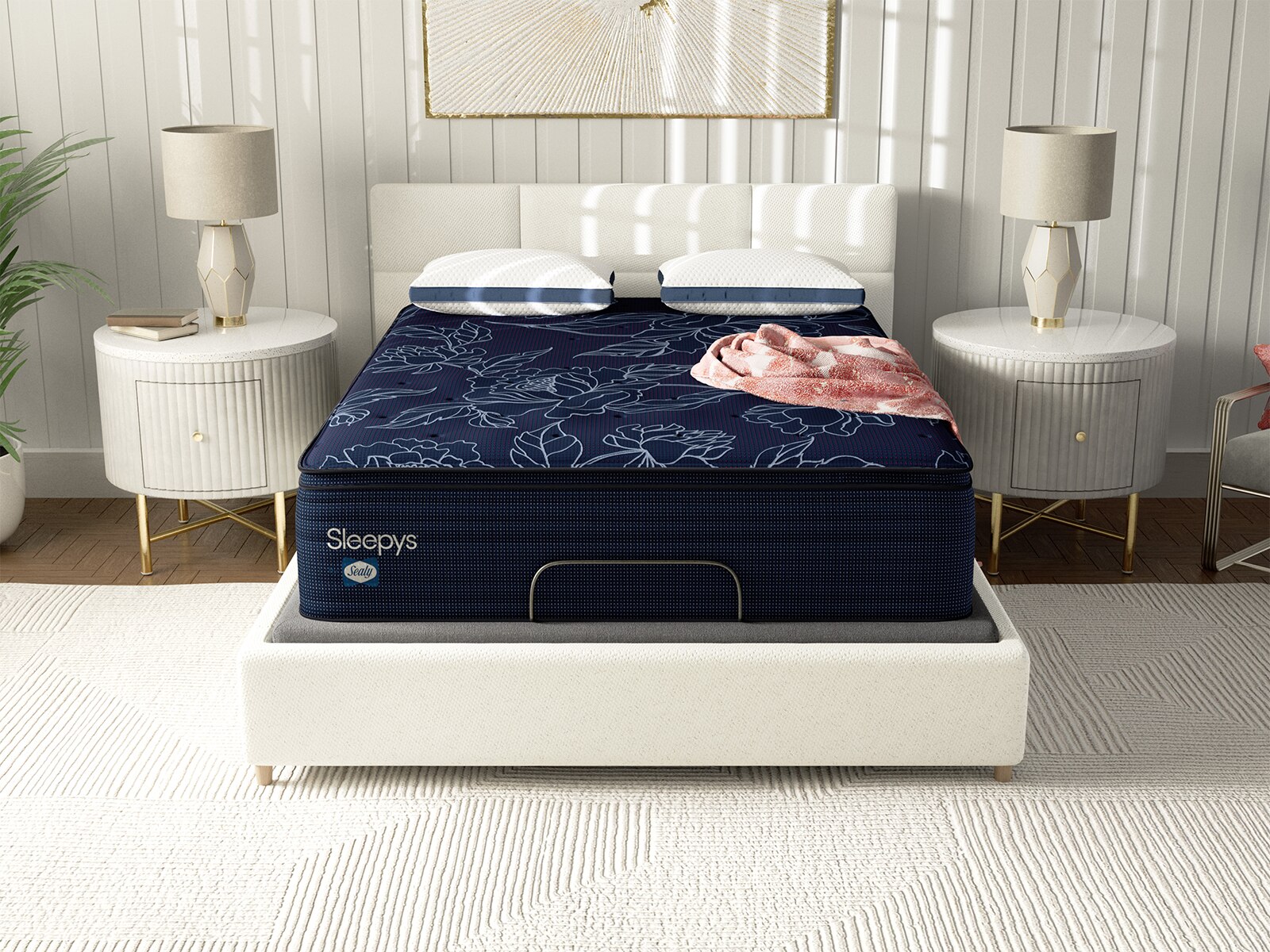
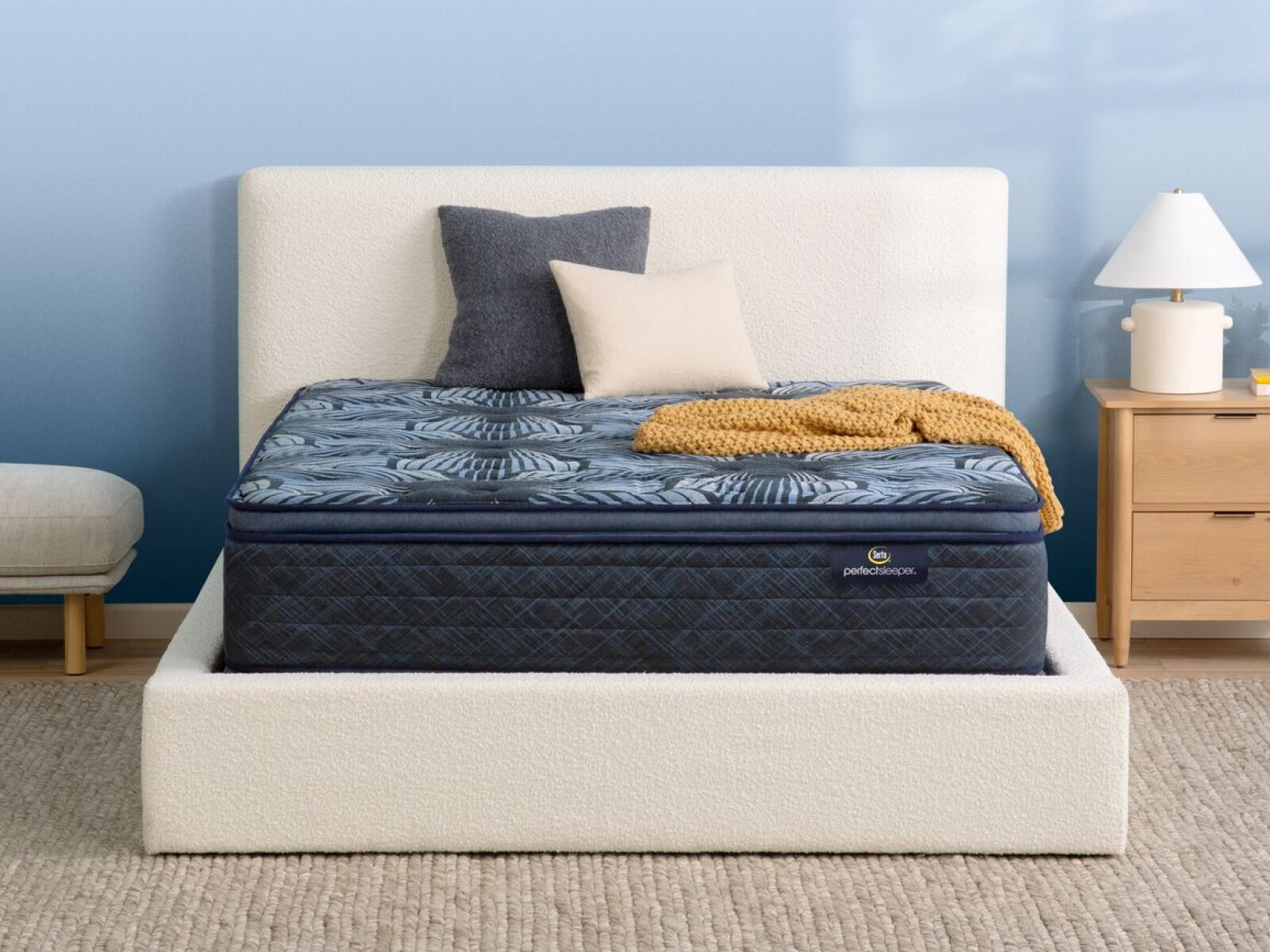
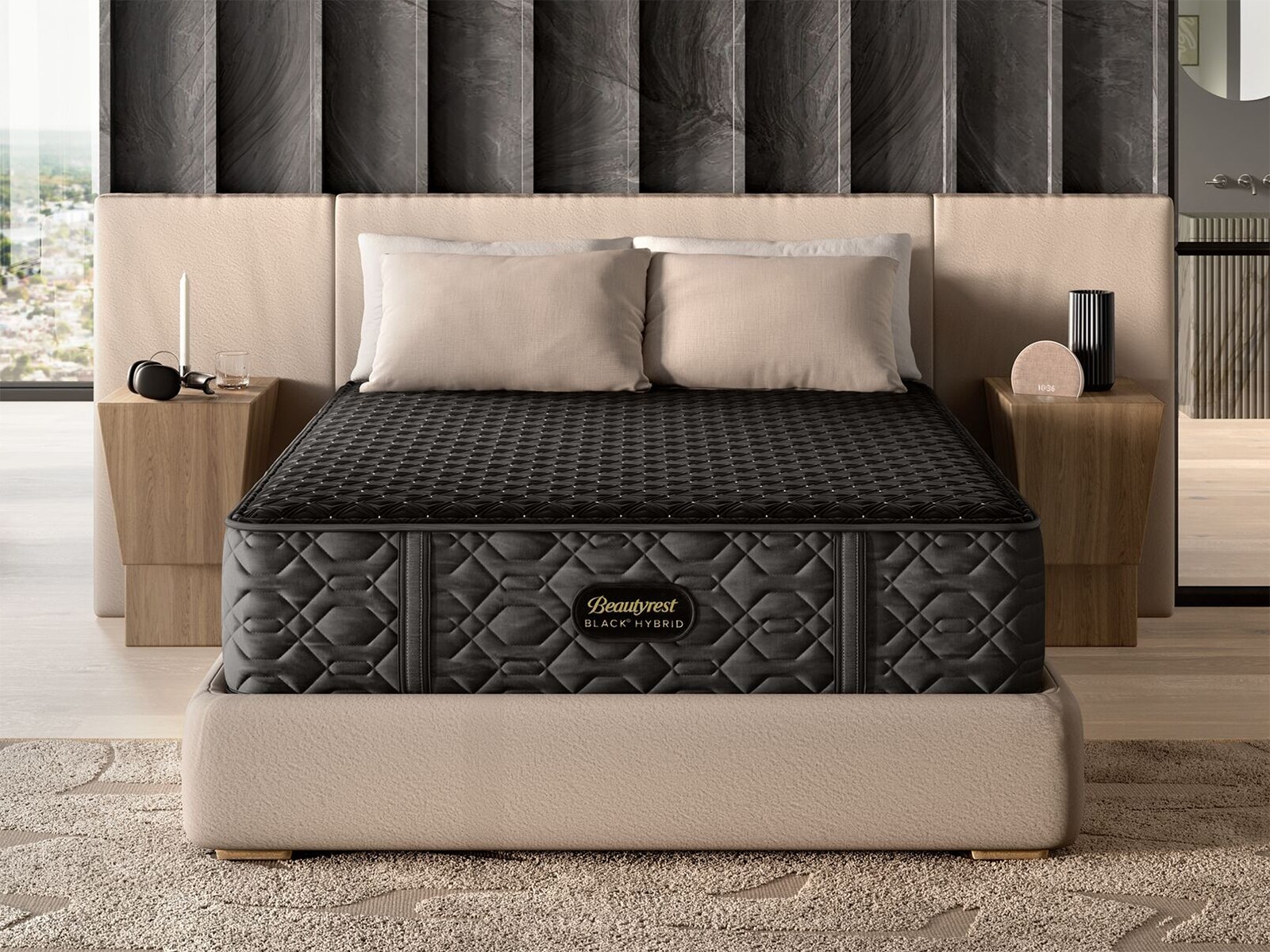
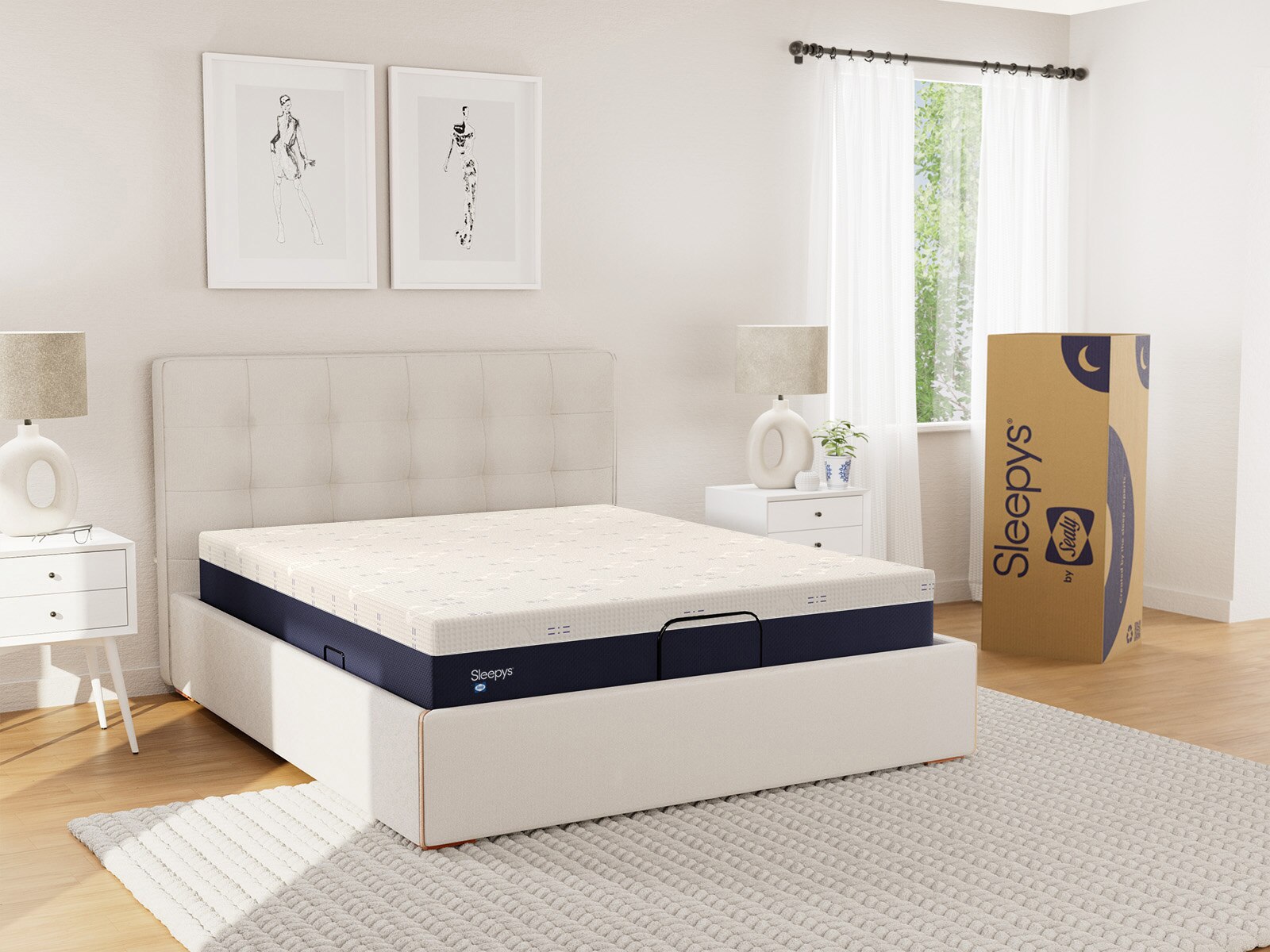
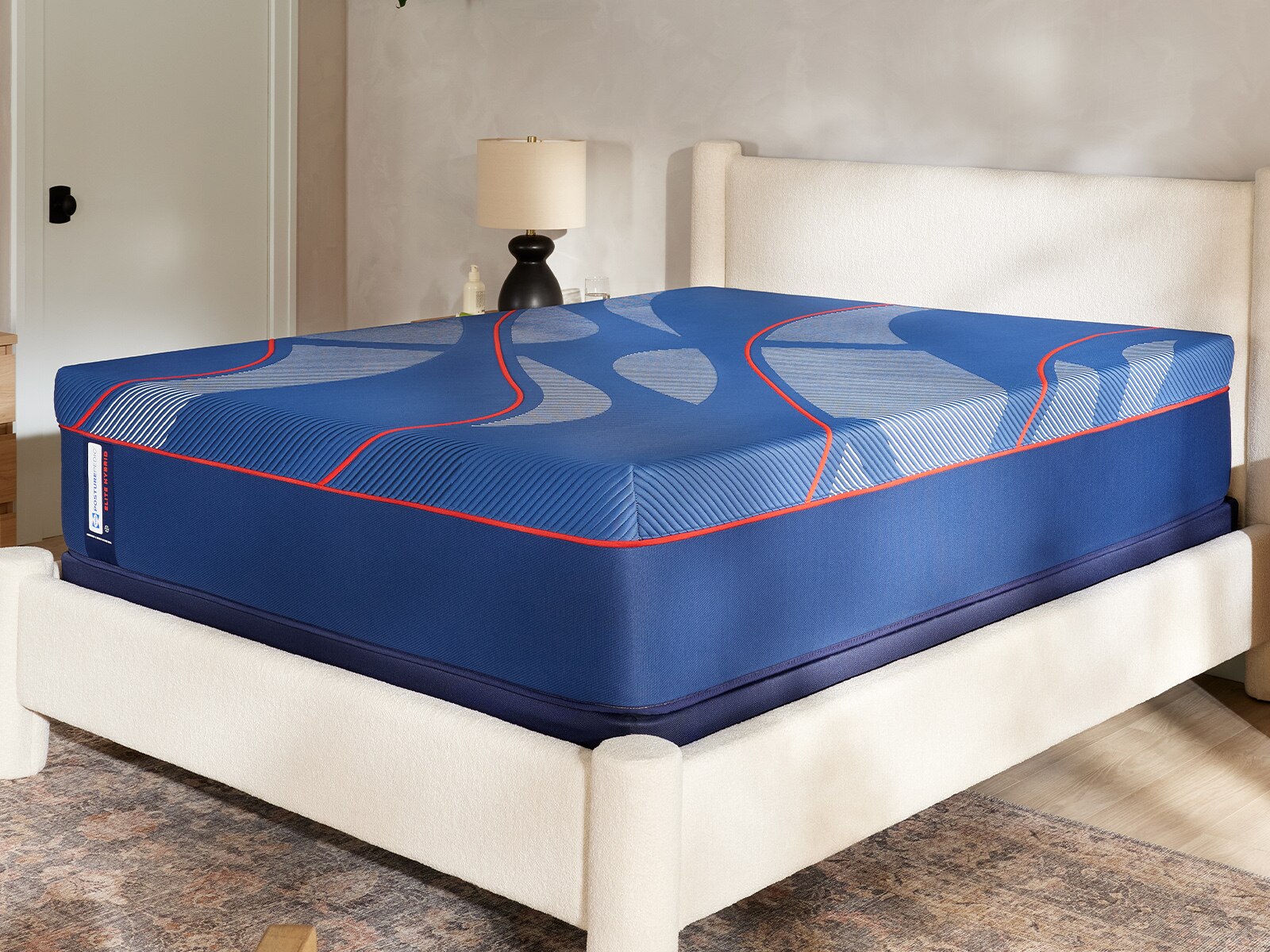
Unique pressure point mattresses bring together contouring comfort and underlying support to help distribute body weight more evenly across the sleep surface. Pressure points are areas where weight concentrates against a mattress, often around the shoulders and hips for side sleepers or the pelvis and heels for back sleepers. A pressure-relieving mattress allows these areas to settle into the comfort layers while supporting the rest of the body, rather than leaving a few spots to carry most of the load. The difference is often noticeable in the way the surface cushions a shoulder, fills the space beneath the waist or supports the lower back without excessive sinking. Different constructions create that balance in different ways. Memory foam conforms closely and usually responds more gradually as a sleeper changes position, creating a cradled feel. Latex typically offers a more buoyant response, compressing beneath weight and recovering quickly when that weight shifts. Flexible grid-style comfort layers can yield beneath more heavily loaded areas while maintaining support elsewhere, although the feel varies with the design. Hybrid mattresses combine comfort materials with a coil support system, pairing surface cushioning with a responsive foundation. Individually wrapped coils can respond more independently than connected coil systems, helping the mattress adapt to different areas of the body. Zoned support adds another distinction: sections of the mattress may use different firmness levels or coil configurations to provide extra support beneath the midsection and more give near the shoulders. These features work as a complete system, so a thick comfort layer alone does not establish how well a mattress will relieve pressure. The cover, cushioning layers, transition layers and support core all influence the final feel. The most useful distinction is not simply soft versus firm, but how the mattress accommodates the body while keeping it comfortably supported in a natural sleeping position.
The right balance depends on sleeping position, body weight and the kind of surface that feels comfortable through a full night. Side sleepers often benefit from enough cushioning for the shoulder and hip to sink slightly without letting the waist sag between them. On a surface that is too firm for that sleeper, the shoulder may feel compressed; on one that is too yielding, the hips may settle farther than the rest of the body. Back sleepers generally need a combination of gentle contouring and steady support beneath the pelvis, with comfort layers that accommodate the curve of the lower back. Stomach sleepers often prefer less sinking around the midsection, since excessive give there can leave the back in an uncomfortable position. Combination sleepers may appreciate responsive materials that make moving from one position to another feel easy rather than requiring effort to lift out of a deep impression. Body weight changes how each construction behaves: a lighter sleeper may barely compress a firm comfort layer, while a heavier sleeper may sink through a softer layer and feel more of the support system beneath it. Firmness descriptions are helpful starting points, but they are not a universal measure of pressure relief. Sleepers who prefer substantial support can explore
Firm Pressure Relief Mattresses for a feel that balances a steadier surface with cushioning at contact points. For couples, motion isolation, edge support and room to change positions also matter. A mattress that limits movement transfer may make a partner’s nighttime turns less noticeable, while a supportive perimeter can provide a more stable place to sit and help the usable surface feel consistent near the edges. During an in-person comparison, spending several minutes in a usual sleep position can reveal details that a quick hand press cannot, such as whether the shoulder has room to settle or the lower back feels supported. Pillows also affect alignment, so their height and firmness should complement the mattress rather than compensate for an uncomfortable fit.
Pressure-relieving mattresses can suit everyday bedrooms, shared sleeping spaces and guest rooms where comfort needs vary, but the intended use helps determine which features deserve the most attention. A mattress used every night should match the sleeper’s usual positions and support needs, while a guest-room mattress may benefit from a balanced feel that accommodates a wider range of preferences. Size matters beyond the dimensions listed on a label. A queen may provide practical space for many bedrooms, while a king gives partners more room to spread out without crowding each other; Twin XL and California King dimensions can be useful when extra length is a priority. The mattress should also fit the bed frame, doorway clearance and bedding, especially when a deeper profile requires sheets with larger pockets. A compatible foundation helps the support system perform as intended, and requirements for slat spacing, center support and adjustable bases vary by construction. Durability depends on the quality of the materials, the mattress design, the support beneath it and how it is used. Foam density can be one useful indicator of durability, but density is not the same as firmness, and no single specification tells the whole story. Resilient comfort materials and a suitable support core help preserve a consistent feel over time. Routine care protects that investment in comfort: a properly fitted mattress protector helps guard against spills and everyday moisture, and cleaning should follow the manufacturer’s directions rather than saturating the surface or applying harsh cleaners. Rotation may help distribute wear when recommended, while flipping is appropriate only for mattresses designed to be used on both sides. Changes in comfort deserve attention, whether they appear as persistent impressions, uneven support or a surface that no longer feels comfortable in a familiar position. Pressure relief is a comfort function, not a promise to eliminate pain or treat a medical condition. A well-matched mattress offers cushioning where the body needs room to settle and support where it needs stability, making the sleep surface feel accommodating without sacrificing the structure beneath it.