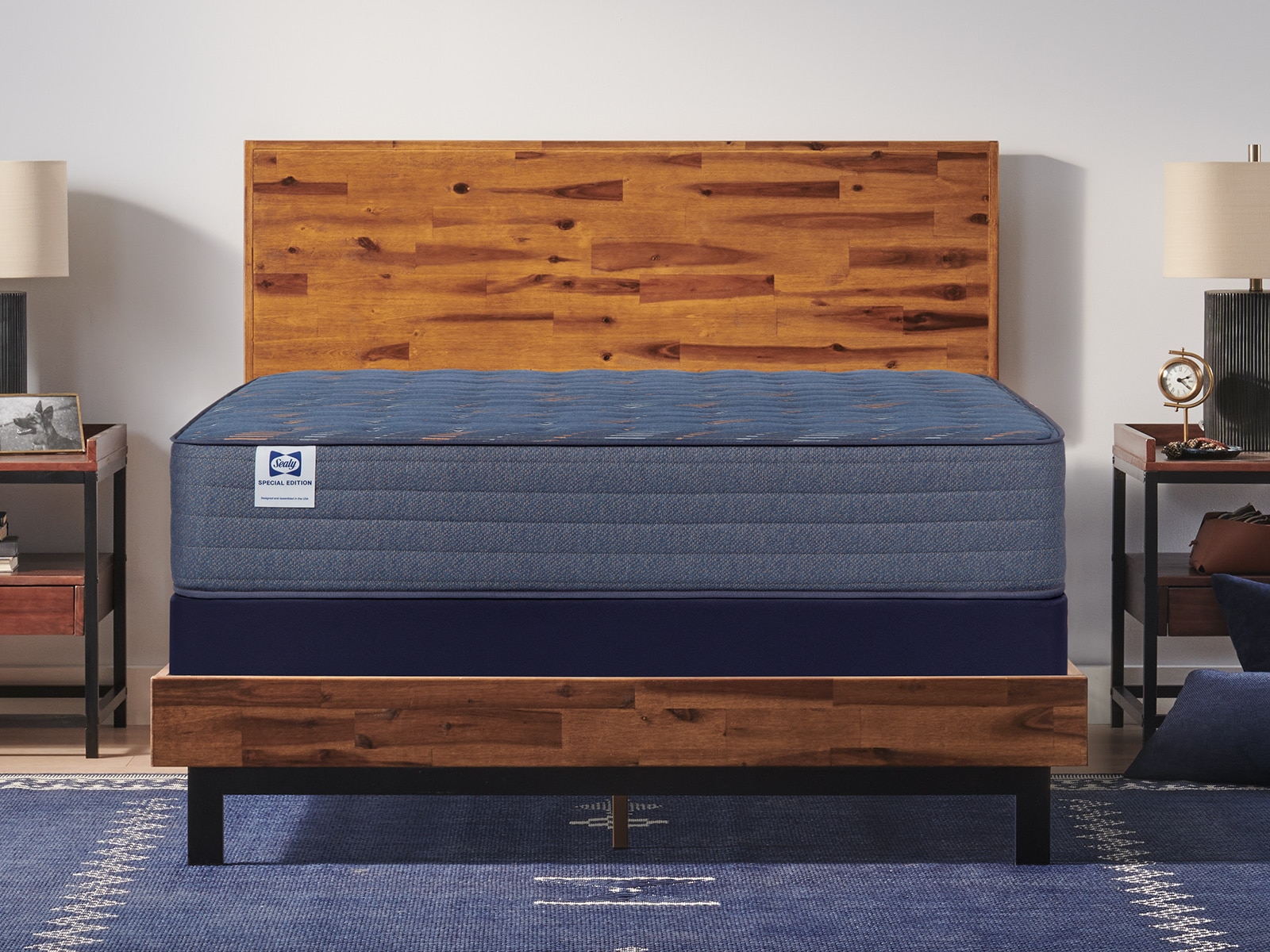
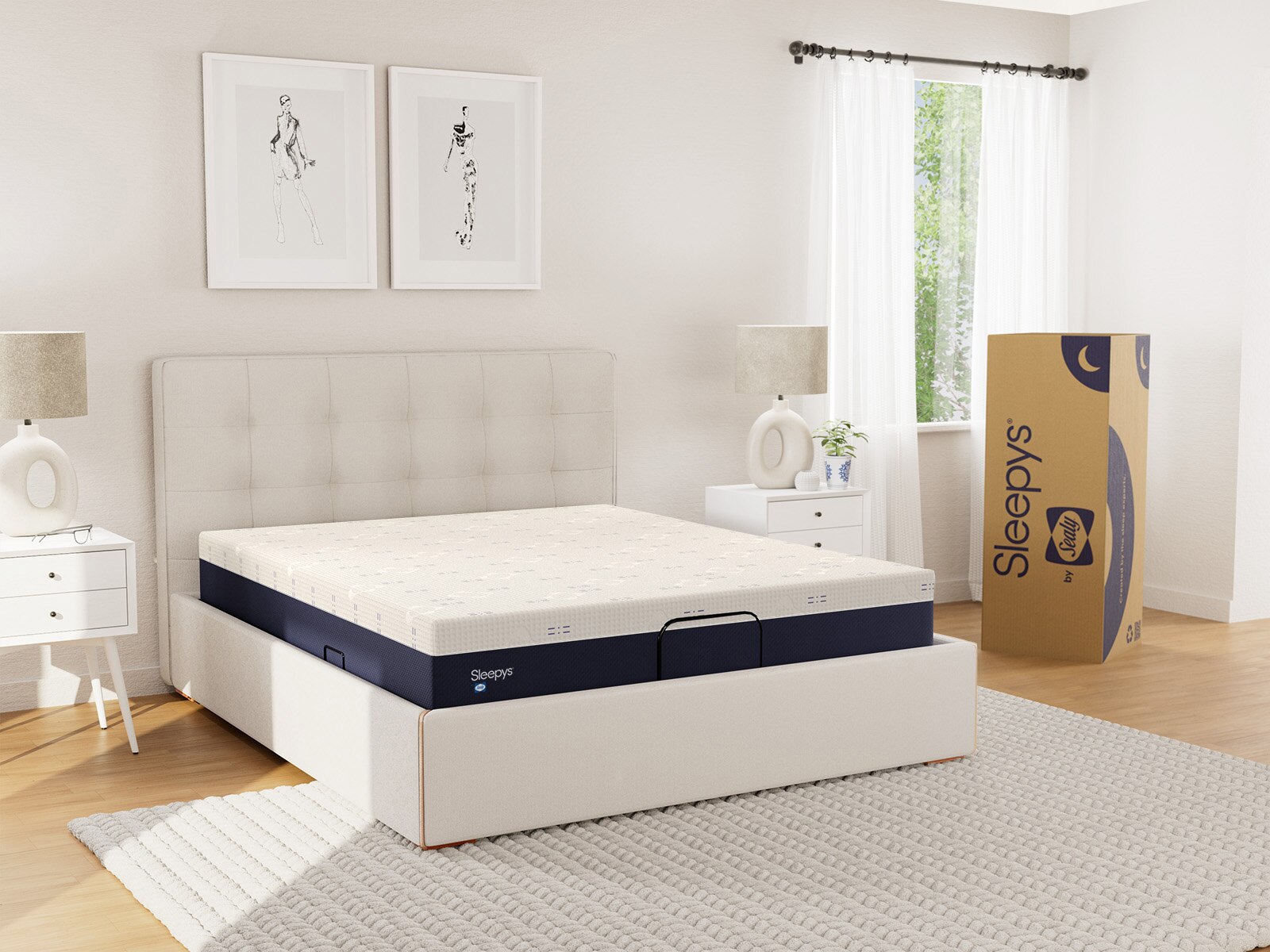
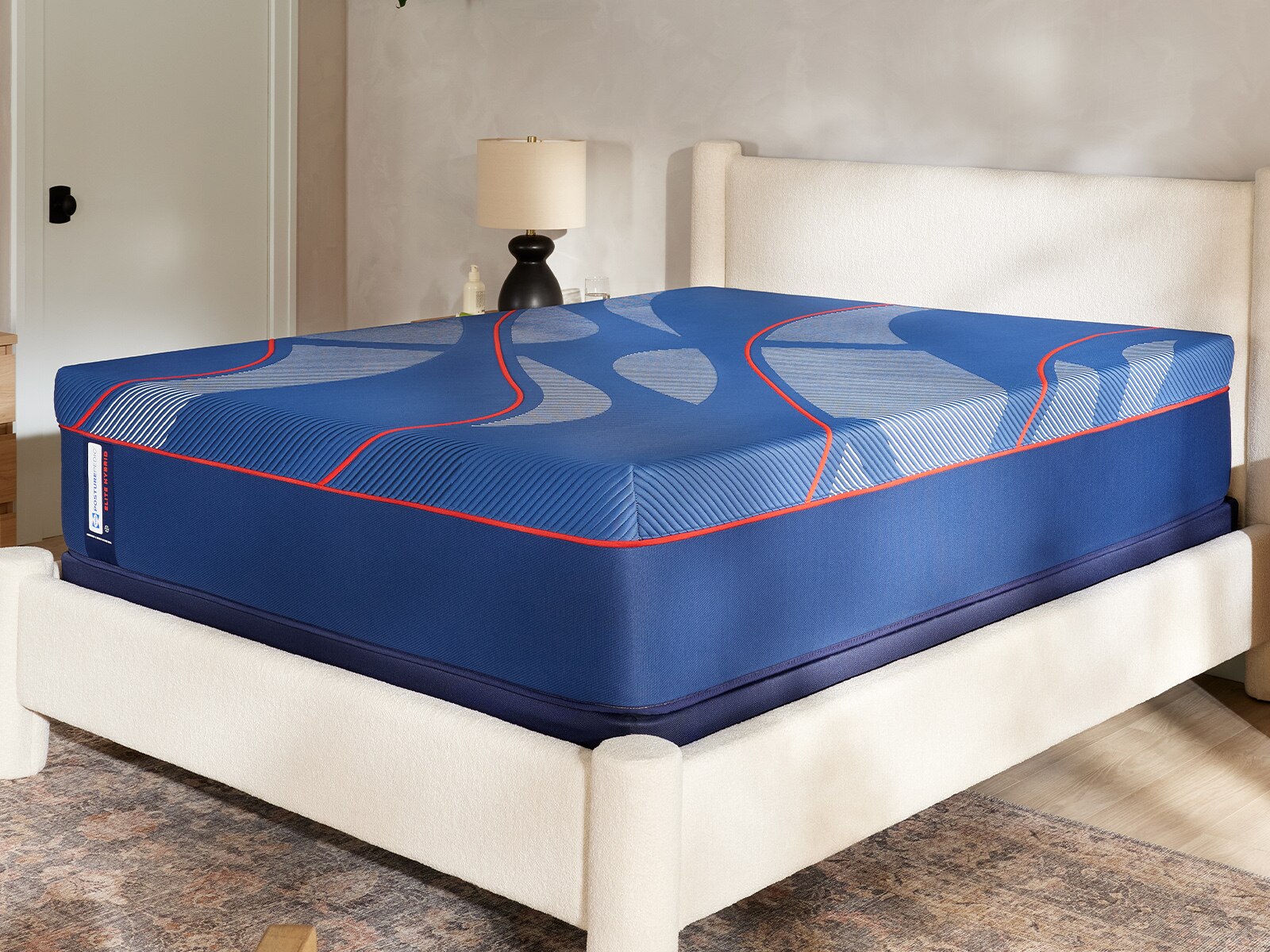
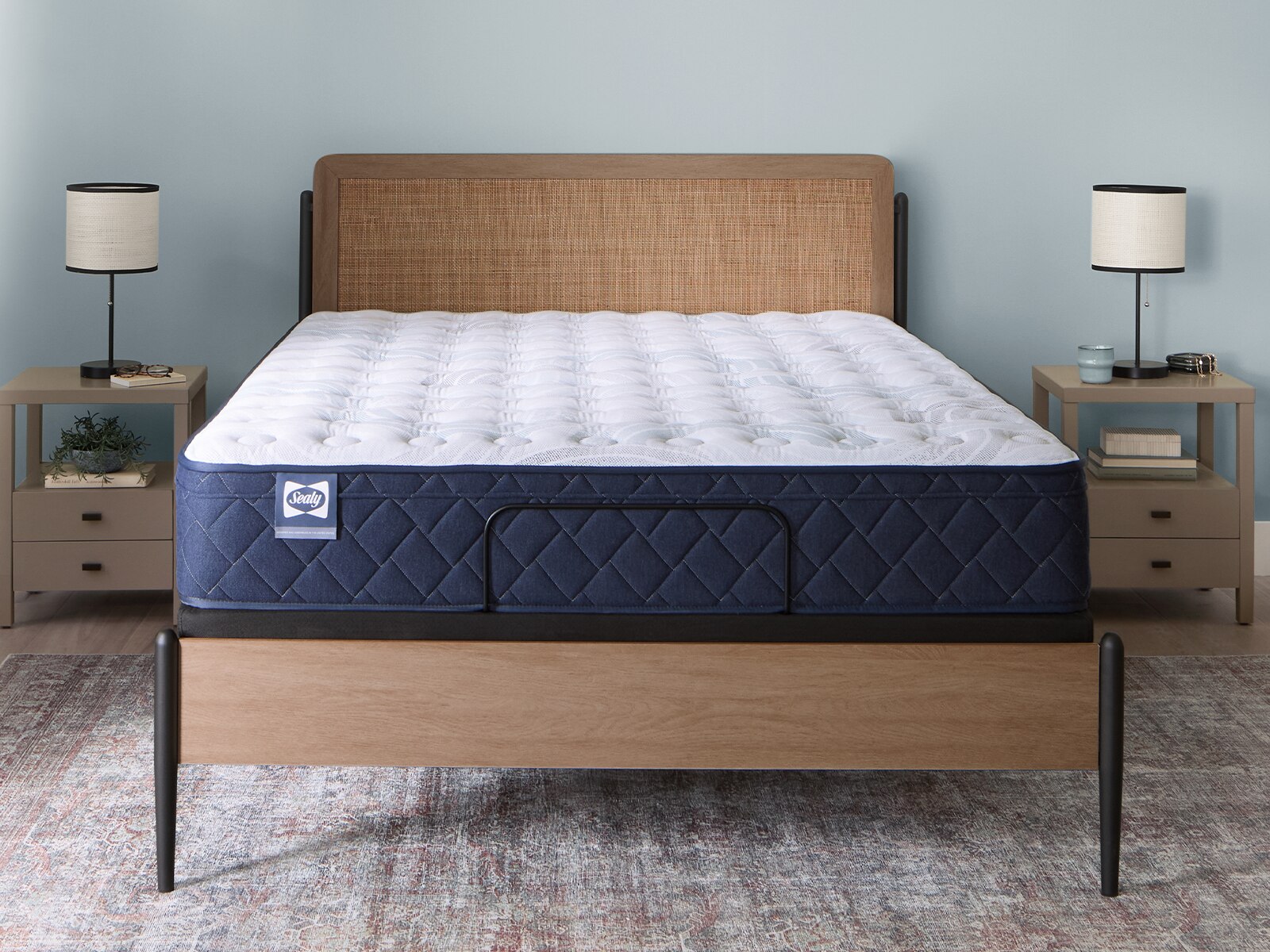
Gel polymer mattresses use a flexible, gel-like polymer comfort layer over a supportive core to cushion the body and respond to movement. In many designs, that layer forms an open grid or another patterned structure that compresses under pressure and rebounds when weight shifts. The term can also appear alongside gel-infused foam, but these constructions are not interchangeable: a gel polymer grid is a distinct cushioning structure, while gel memory foam contains gel within a foam layer. The materials beneath the comfort surface may include supportive foam, individually wrapped coils or a combination of layers, so the complete construction matters as much as the gel component. A grid-style surface may feel springier and less enveloping than traditional memory foam, allowing a sleeper to change position without waiting for a deep body impression to recover. That sensation varies with the thickness and flexibility of the polymer, the firmness of the layers underneath and the stretch of the cover. Open spaces within some polymer structures can allow air to move through the comfort layer, although airflow also depends on the mattress core, bedding and foundation. Gel alone does not guarantee a continuously cool sleep surface, and no material performs the same way in every bedroom. This distinction is useful when comparing
gel memory foam mattresses, which generally offer a more contouring foam feel, with mattresses built around an elastic polymer structure. Some designs combine these materials, pairing responsive cushioning with foam that softens the transition to the support core. Looking at the layer descriptions helps distinguish the surface that first meets the body from the deeper layers that carry its weight. A mattress described as plush can still have a substantial support core, while a firmer-feeling surface may offer less give around the shoulders and hips. Neither description alone reveals how comfortably a particular body will settle into the bed.
Gel polymer mattresses can suit a variety of sleep positions, but the right fit depends on how the whole mattress balances cushioning and support. Side sleepers often need enough flexibility at the shoulders and hips to avoid a concentrated, pinching sensation, especially when one shoulder carries much of the upper body's weight. Back sleepers may prefer a surface that cushions the lower back without allowing the pelvis to settle too deeply. Stomach sleepers generally benefit from a steadier feel through the middle, while people who alternate positions may appreciate a responsive surface that makes turning easier. Body size changes how these materials feel: the same mattress can seem relatively firm to a lighter sleeper and noticeably softer to someone who places more weight on it. Mattress thickness does not, by itself, indicate firmness, support or durability. For partners, movement control and edge support deserve attention alongside the initial feel. A polymer layer may recover quickly, but the amount of motion reaching the other side of the bed also depends on the foam, coils and overall construction. Someone who wakes when a partner rolls over may value a more settled surface; someone who uses the full width of the bed may care more about consistent support near the perimeter. Sitting briefly at the edge to put on socks feels different from lying near it all night, so both situations are worth considering. Size should leave room for usual sleeping positions without overwhelming the bedroom or making it difficult to move around the frame. A twin or Twin XL can suit a single sleeper, while queen, king and California King sizes offer different options for shared space and room dimensions. The height of the mattress and foundation together also affects how easily a person can sit down, stand up and reach a bedside table. For an adjustable base, compatibility should be confirmed in the mattress specifications rather than assumed from the flexibility of the comfort layer.
Everyday care helps protect the feel and condition of a gel polymer mattress, starting with the support beneath it. A compatible foundation or platform should meet the manufacturer's requirements for slat spacing, center support and weight capacity. Gaps that are too wide or an uneven frame can leave sections of the mattress inadequately supported, regardless of the quality of its comfort layers. Above the mattress, a properly fitted protector helps shield the surface from spills and everyday moisture. A thin, flexible protector and sheets with enough stretch can also help preserve the cushioning sensation; tight bedding or a thick topper may change how the surface responds beneath the shoulders and hips. Cleaning methods vary by construction, and a zippered cover is not necessarily removable or machine washable. Follow the care label, use only recommended cleaning methods and let any cleaned area dry completely before replacing bedding. Avoid soaking the mattress, since moisture can remain in the layers below the surface. Rotation may help distribute wear when the manufacturer recommends it, but many layered mattresses are designed for one-sided use and should not be flipped. Durability depends on the polymer formulation, the quality of the supporting materials, construction and everyday use—not simply the presence of gel. A resilient comfort layer still needs a dependable core beneath it, and a substantial mattress needs proper handling when moved. Check handling instructions before bending or carrying it, and use enough help to avoid dragging the cover across a doorway or frame. For a bed used every night, the strongest fit is a construction that continues to provide comfortable cushioning, steady support and manageable movement for its sleeper. In a guest room, a balanced feel may accommodate a broader range of preferences. In either setting, the goal is a sleep surface that works with the body, the bed frame and familiar bedtime routines.