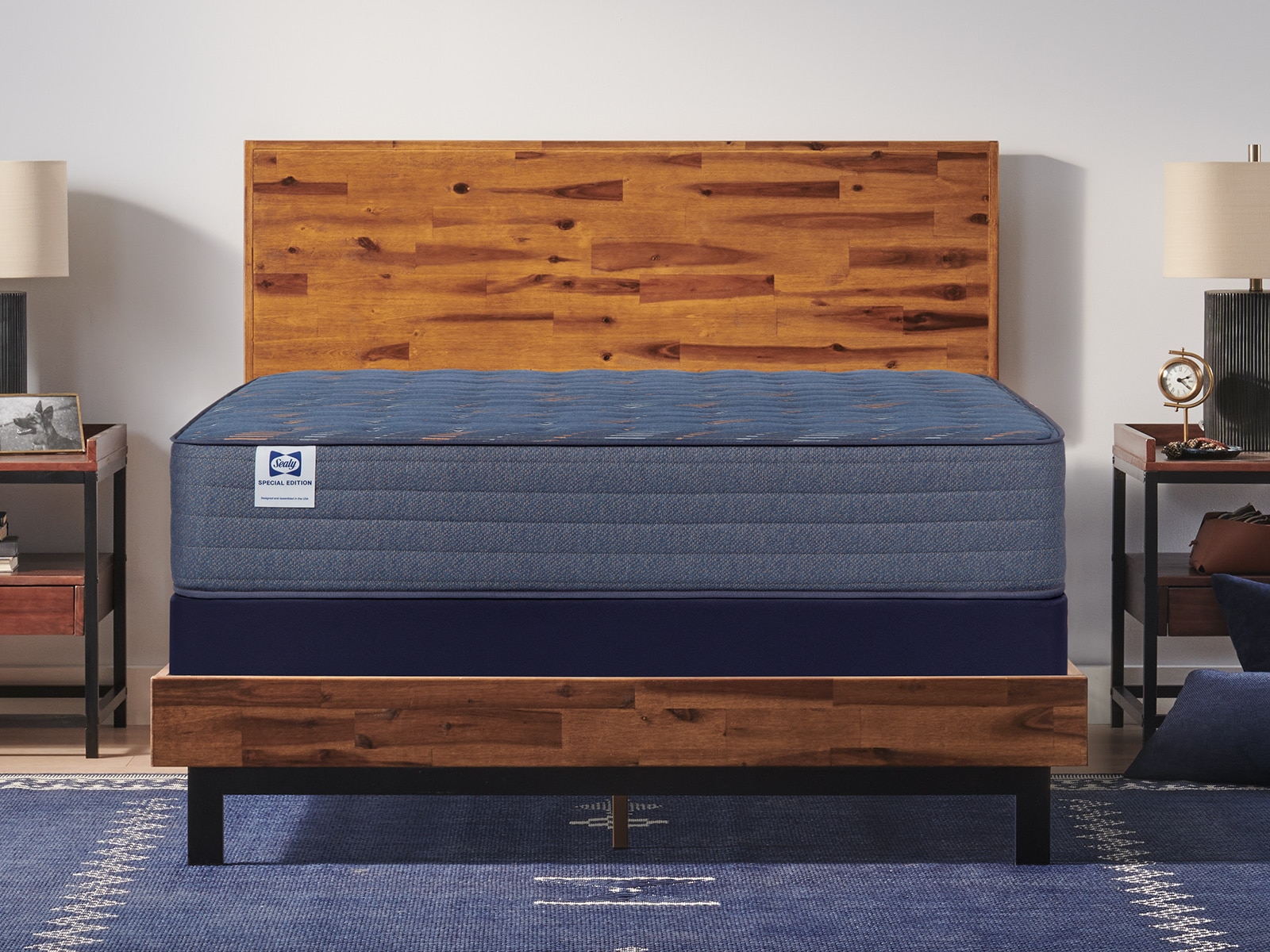
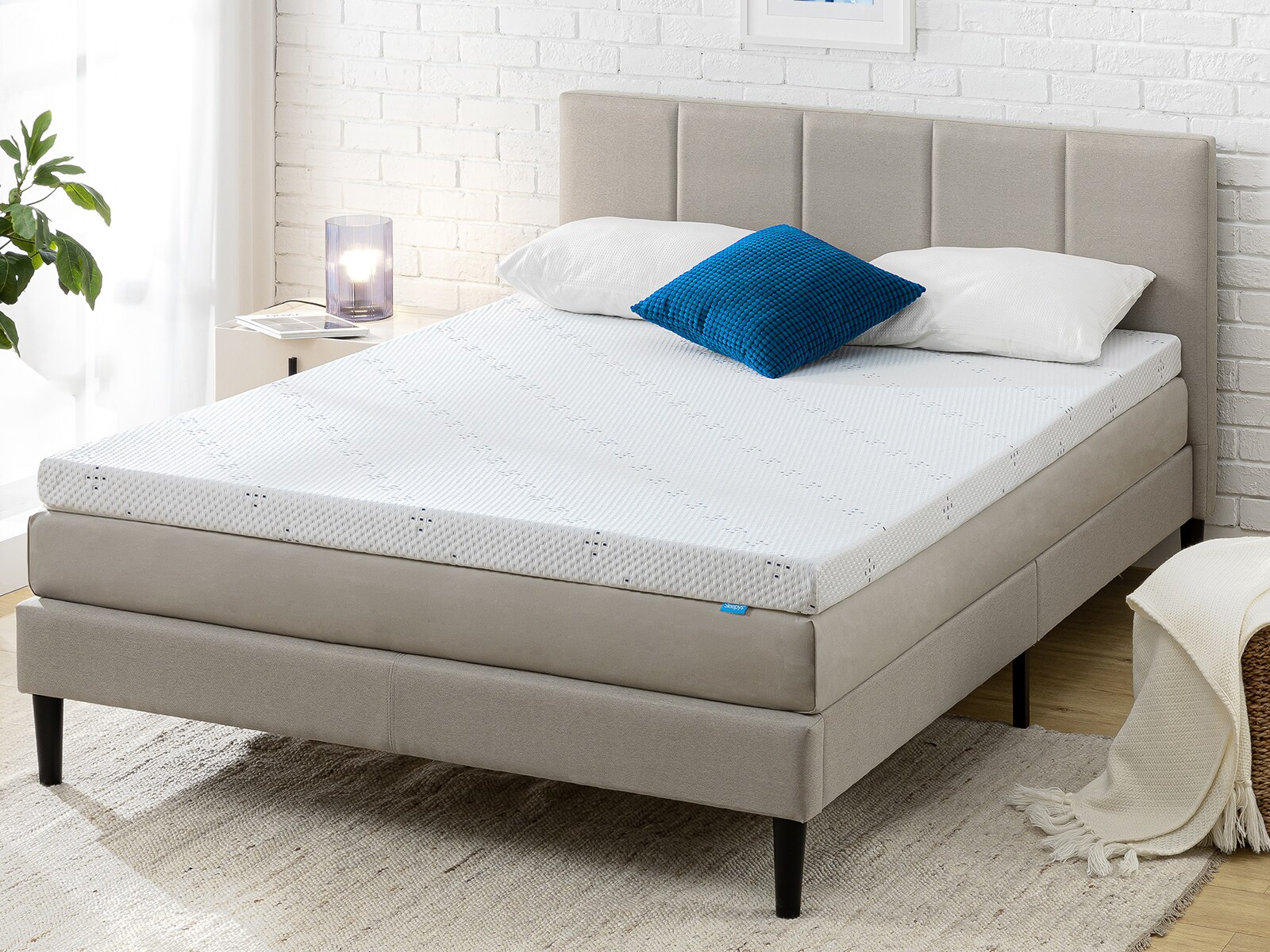
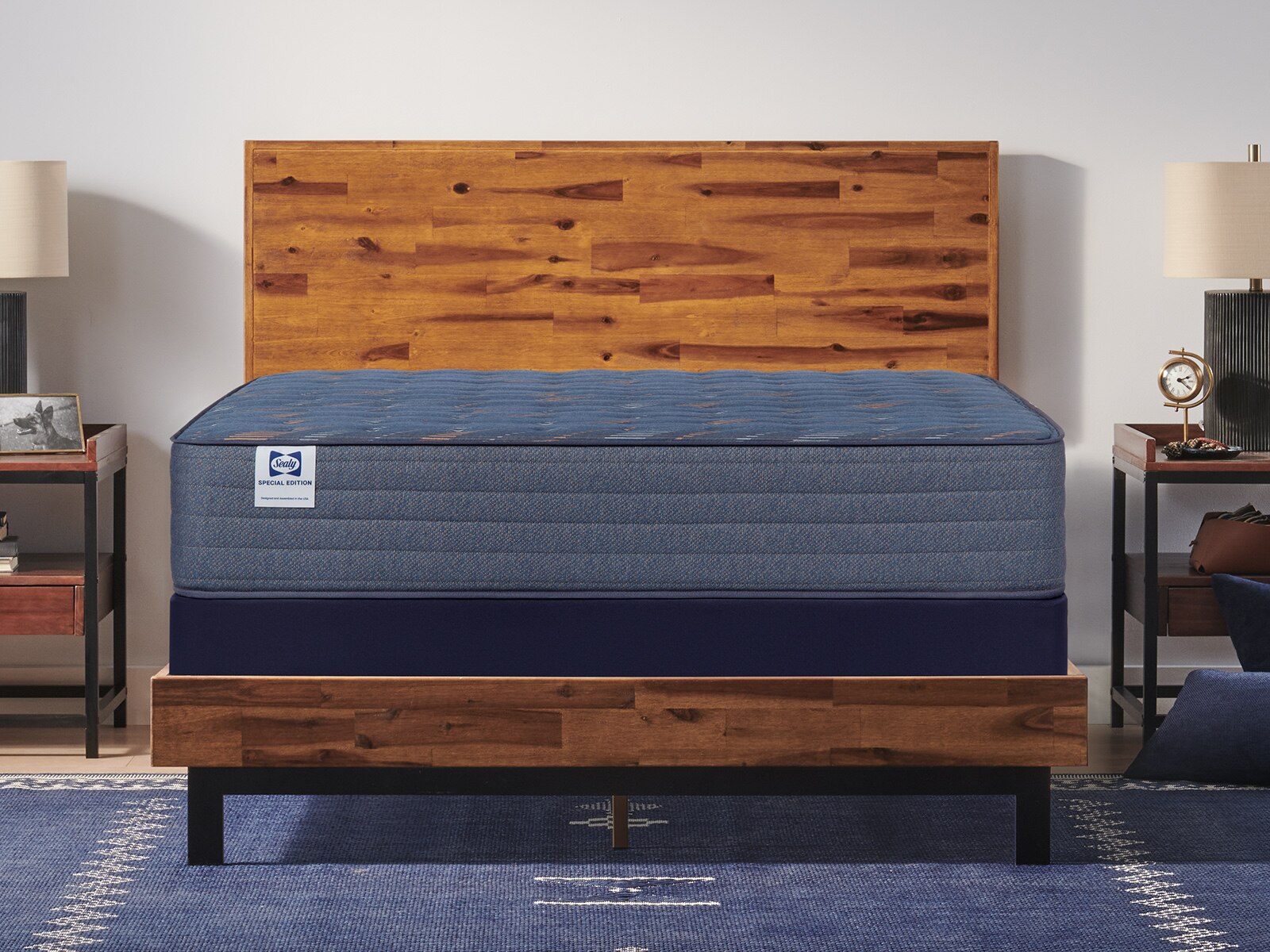
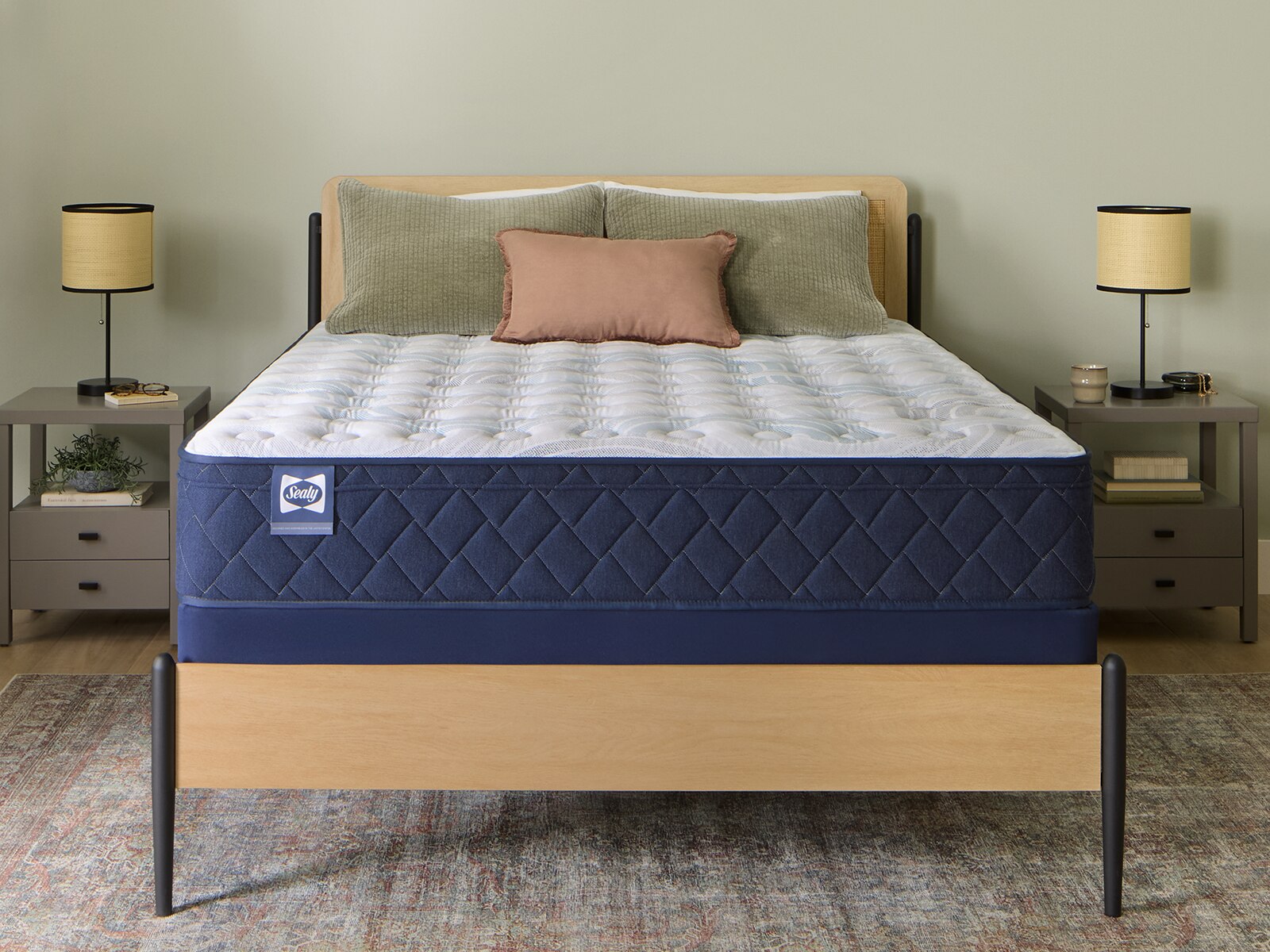
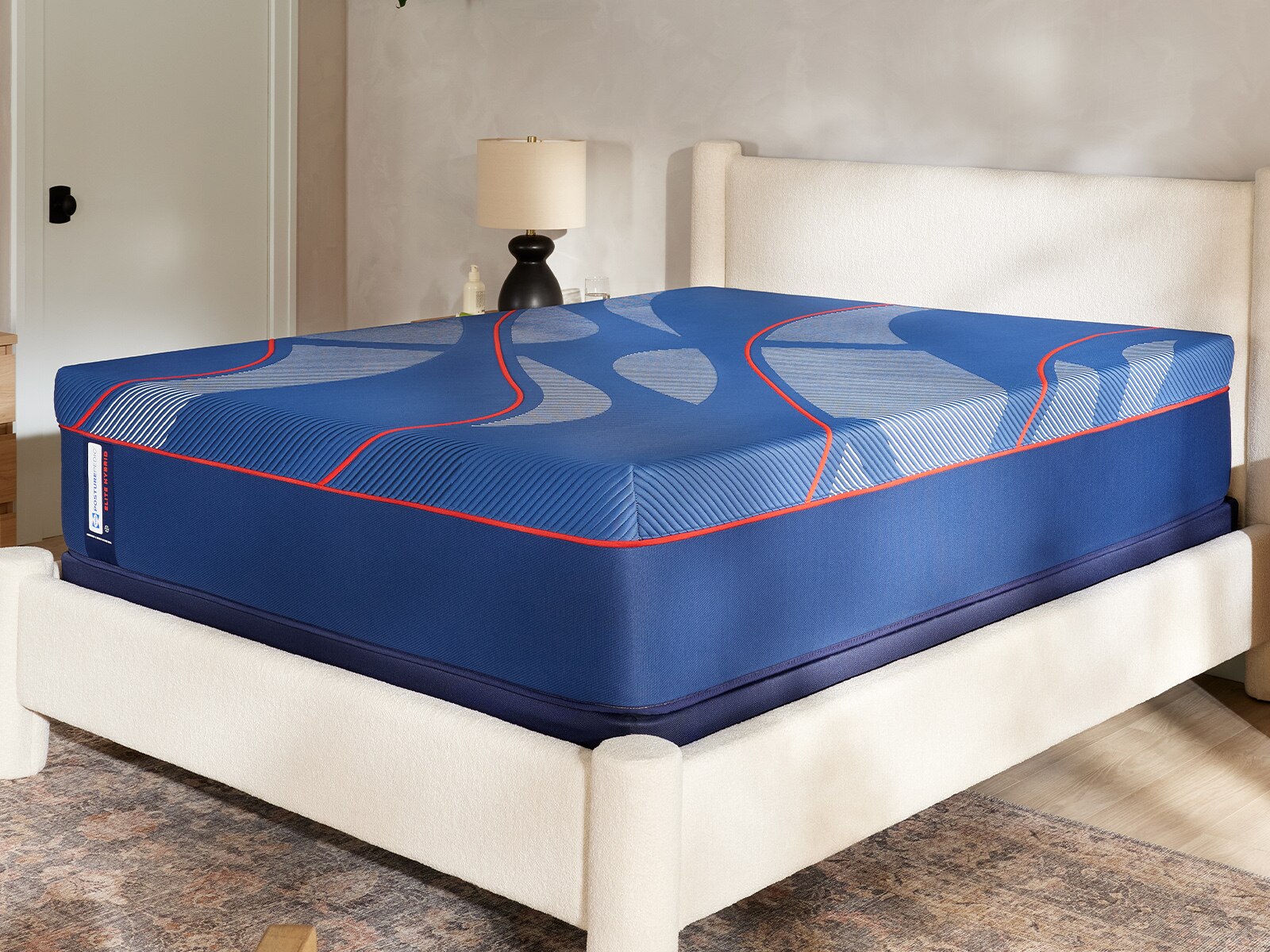
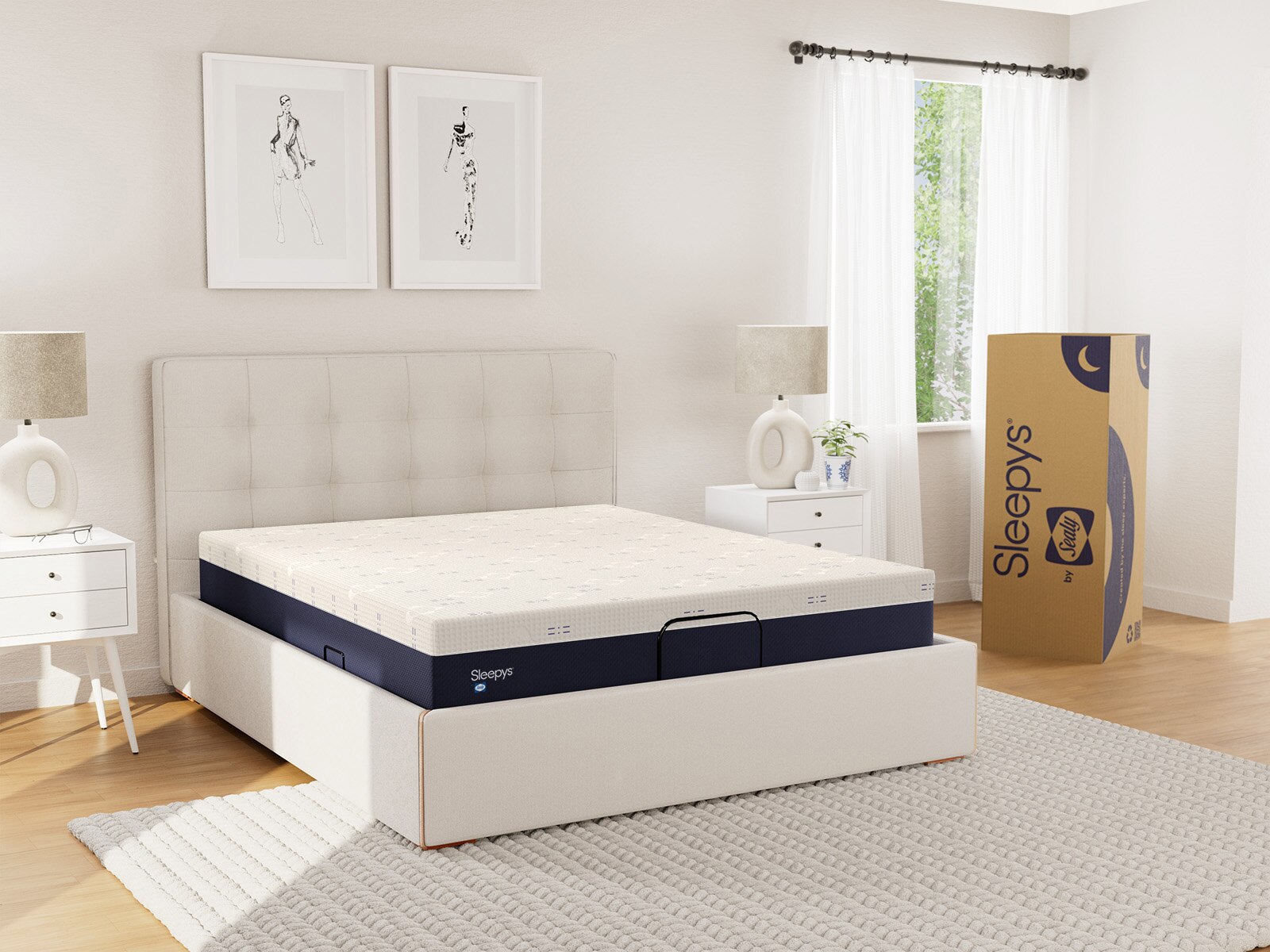
Gel touch mattresses combine cushioning comfort with gel incorporated into one or more layers near the sleep surface. The term generally describes a feature of the mattress rather than a single standardized construction: the gel may be blended into memory foam or another type of comfort foam, and the support underneath may come from foam, coils or a combination of both. Memory foam typically contours gradually around the body, while other cushioning foams can have a more responsive feel that makes changing positions easier. Gel is often included to help manage heat within the comfort layer, but its presence alone does not guarantee that a mattress will stay cool throughout the night. The cover, airflow through the mattress, bedding and the way the foam responds to body weight all influence the sleep experience. Some designs also include phase-change materials that absorb and release heat; that is a separate feature, not an ingredient in every gel touch mattress. For a clearer sense of comfort, consider the complete construction rather than relying on the word “gel.” A thick, gently contouring top layer can feel quite different from a thin layer of gel-infused foam over a firmer support core. Likewise, a quilted cover may add cushioning before the body reaches the foam underneath, while a stretch-knit cover can allow more direct contact with the comfort layers. An all-foam construction may appeal to someone who enjoys a quieter, more settled feel, while a hybrid construction can combine surface cushioning with the responsiveness of coils. Neither construction has a fixed firmness level, and a taller mattress is not automatically softer or more supportive. When comparing gel touch mattresses with
Gel Flex Mattresses, look at the stated materials, firmness and support system rather than assuming similar names mean the same feel. Those details help distinguish how a mattress cushions the body, responds to movement and fits individual sleep preferences.
The most useful way to assess a gel touch mattress is to picture an ordinary night, including the position used to fall asleep and the movements that happen before morning. Side sleepers often appreciate enough cushioning for the shoulder and hip to settle into the surface without feeling pressed upward. Back sleepers may prefer a balance of contouring and support, with the pelvis resting comfortably rather than sinking much farther than the upper body. Stomach sleepers often need a more stable surface beneath the midsection to limit excessive dipping. These are starting points, not rules: body weight, proportions and personal preference can make the same mattress feel noticeably different to two people. Someone who changes positions frequently may value foam that responds quickly, while someone who stays mostly on one side may enjoy a slower, closer contour. For shared beds, motion isolation matters when one person turns over or gets up earlier. Foam can help absorb movement, although the full mattress design determines how much motion reaches the other side. Edge support deserves attention, too, especially for anyone who sits on the edge to put on socks or regularly sleeps near the perimeter. Size should reflect both the sleepers and the room. A twin can suit a compact bedroom, a Twin XL adds length, and queen and king sizes provide more room for shared sleep. A California King offers additional length compared with a standard king but is narrower, so extra length should not be confused with extra width. Measure the bed frame, walking space and delivery path before choosing dimensions, and check the total height once the mattress is paired with its foundation. A high surface can make getting into bed awkward, while a very low setup may be uncomfortable for some sleepers. For an adjustable base, confirm compatibility with the complete mattress construction. A flexible comfort layer does not necessarily mean the entire mattress is designed to bend. Whether the bed is for nightly use or a guest room, a comfortable fit depends on these practical details as much as the initial softness.
Care and underlying support play an important role in how a gel touch mattress feels over time. Start with the foundation requirements provided for the mattress, including any specifications for slat spacing, center support or an adjustable base. An uneven or insufficiently supported surface can change the feel of the bed and place unnecessary strain on its materials. A well-fitting mattress protector helps keep perspiration, spills and everyday debris away from the cover, while a breathable design can help preserve the feel of the cushioning beneath it. Sheets should have enough pocket depth to fit securely without pulling tightly across the surface. An overly snug sheet or a thick, stiff pad can make a contouring mattress feel less conforming than expected. Follow the care label for cleaning, since removable covers are not always machine washable and foam should generally not be saturated. Blot spills promptly, use only approved cleaning methods and let damp areas dry fully before replacing bedding. Rotate the mattress only as directed, and do not flip a one-sided construction unless its instructions specifically allow it. When moving the mattress, follow the handling guidance rather than folding or tightly bending it for convenience. Long-term durability depends on the quality and density of the foams, the support system, the sleeper’s needs and regular care; gel content by itself is not a measure of longevity. Foam density also is not the same as firmness, so a firm feel does not automatically indicate greater durability. Over time, some softening may occur, but persistent sagging or a noticeable change in comfort calls for checking the foundation and reviewing the mattress care and warranty information. For everyday use, the goal is a combination of comfortable cushioning, dependable support and a surface that works with familiar bedding. Paying attention to those details helps make gel touch mattresses easier to compare on the qualities that matter night after night.