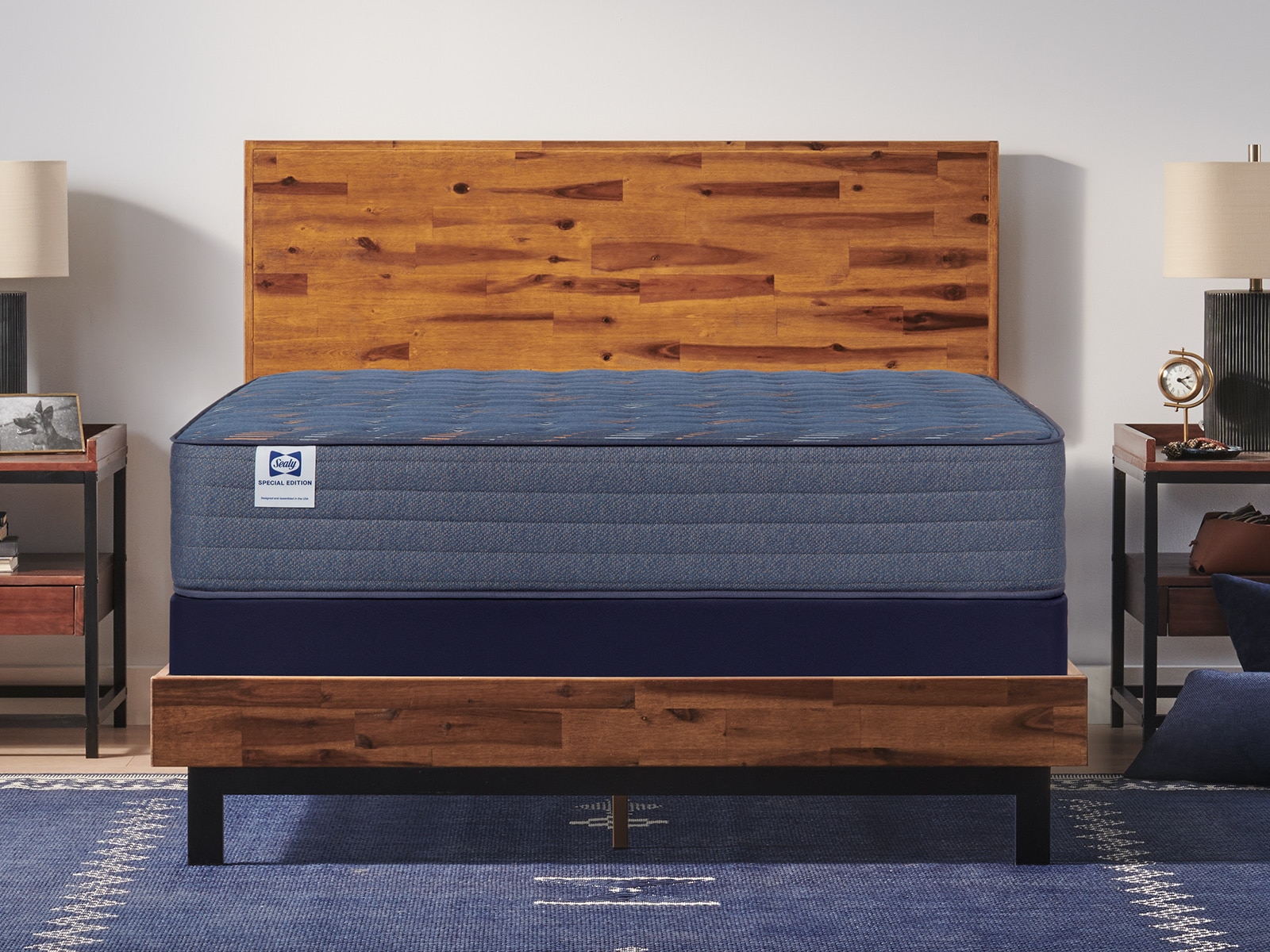
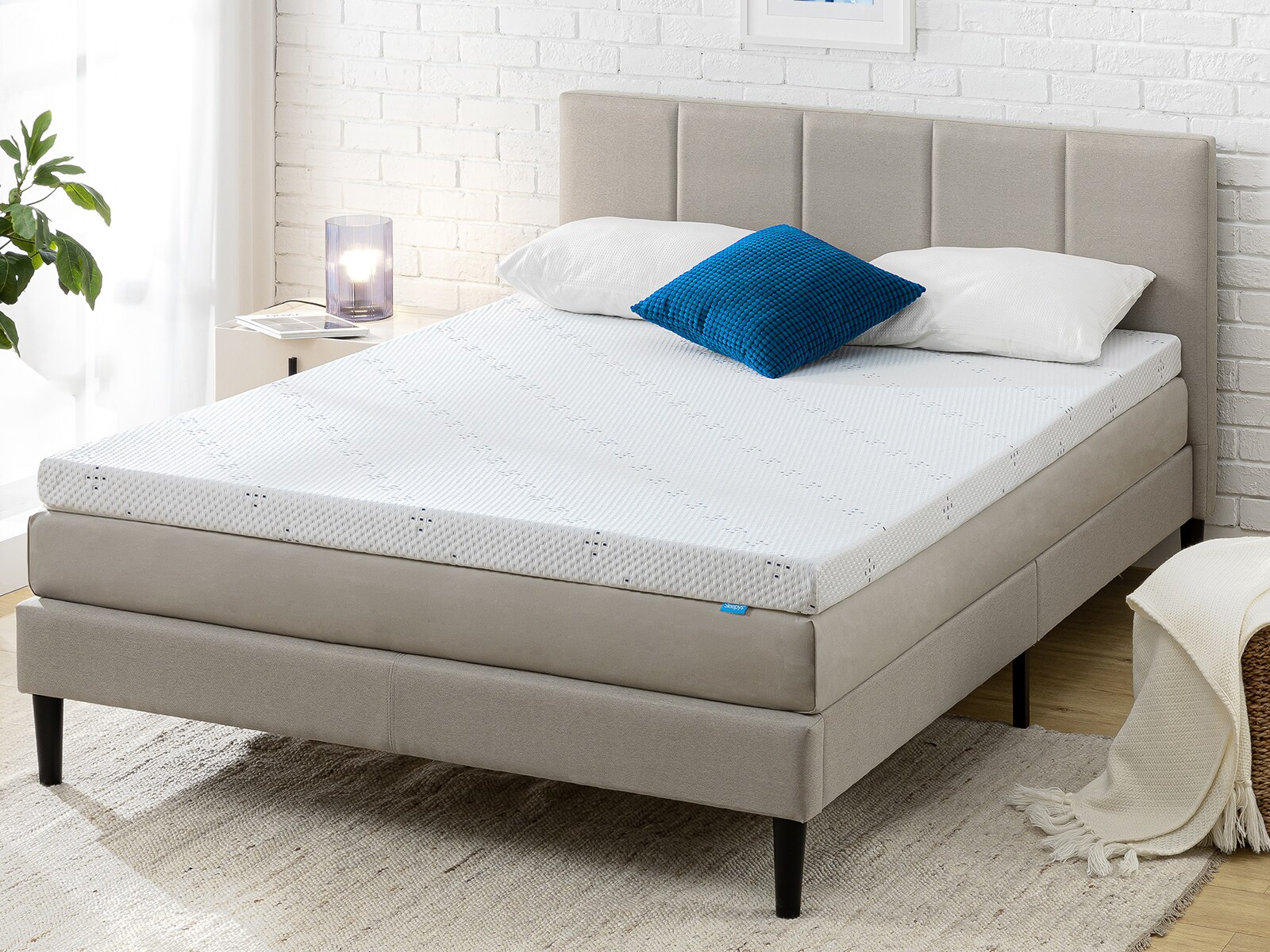
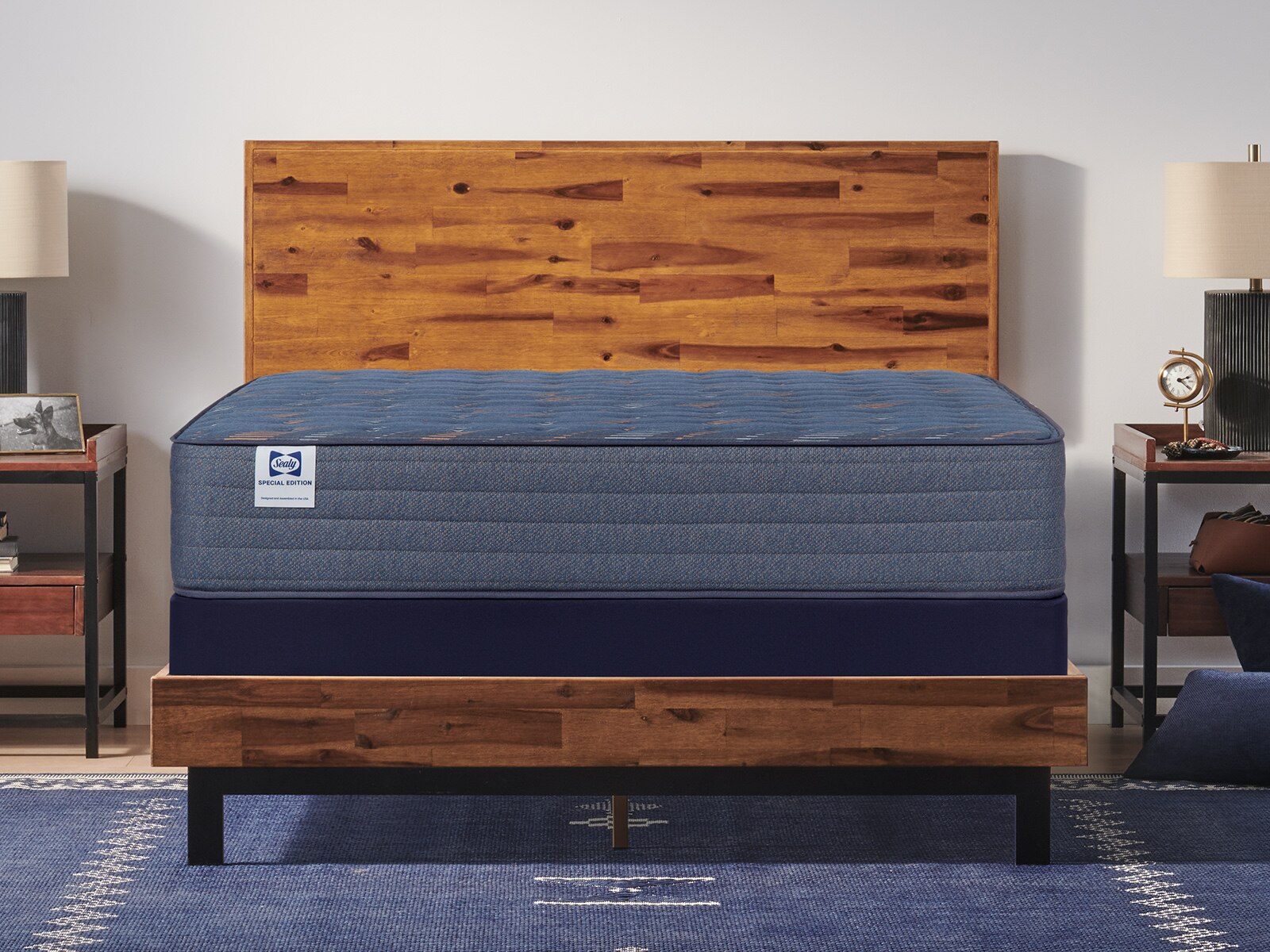
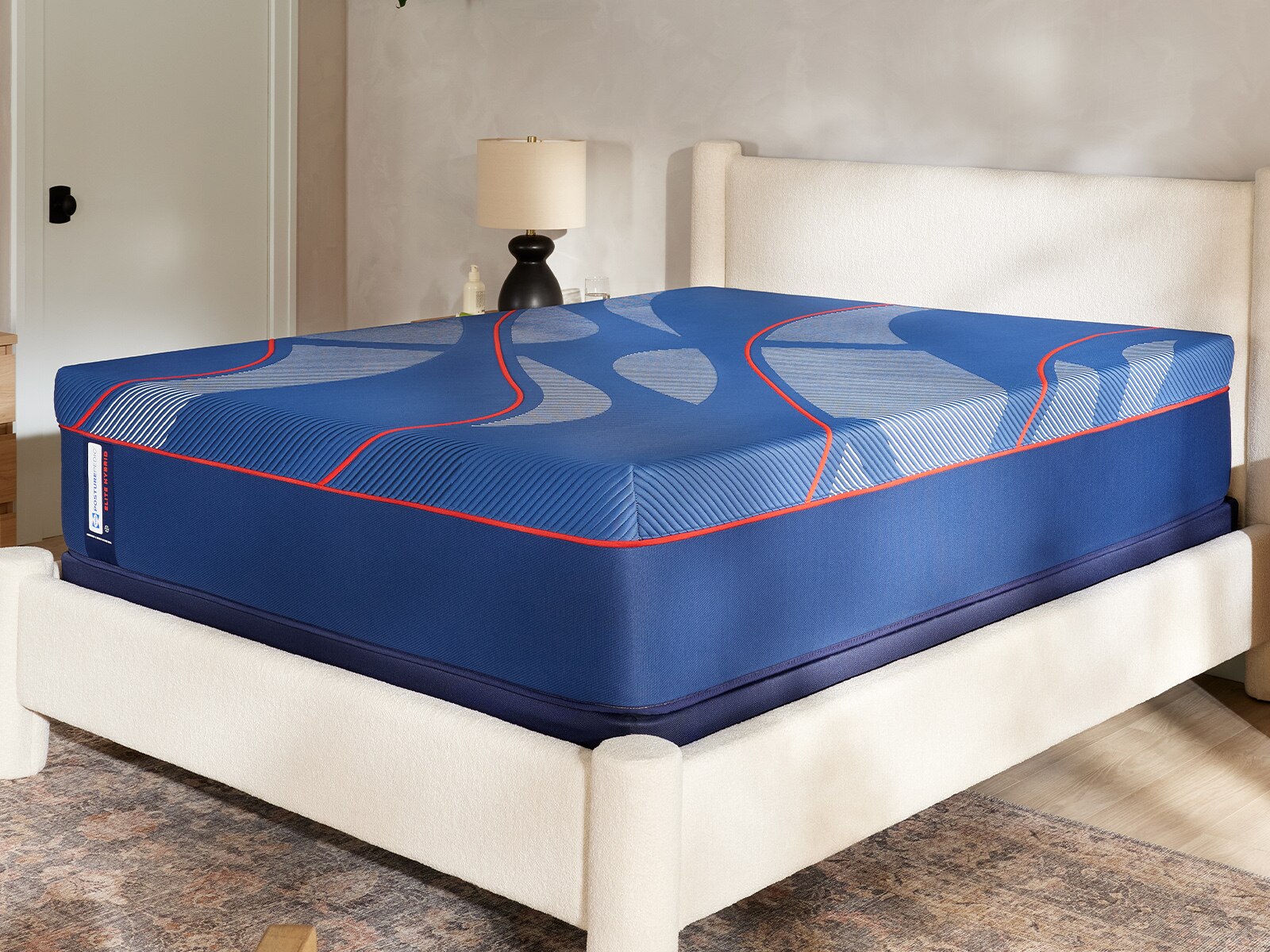
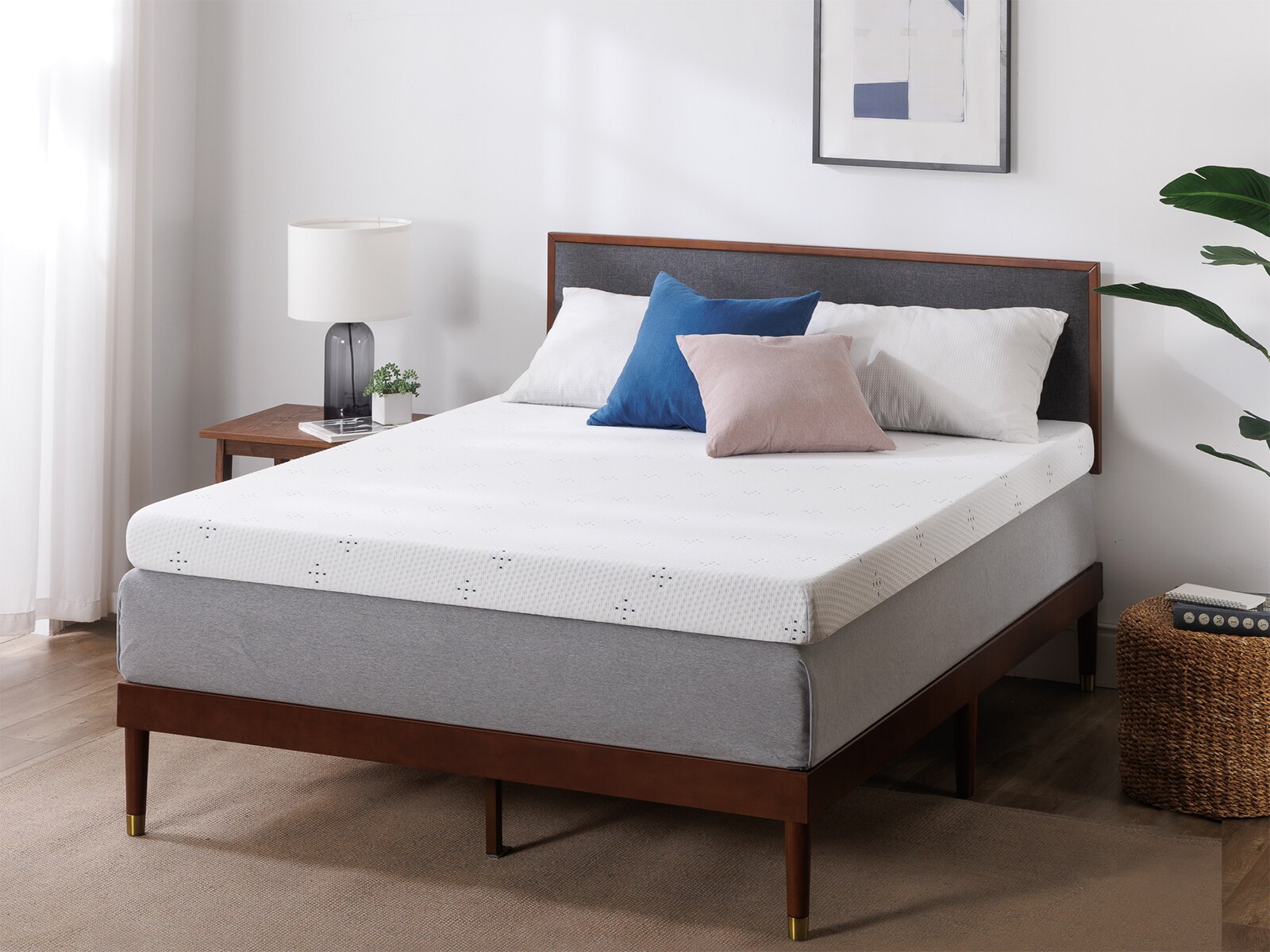
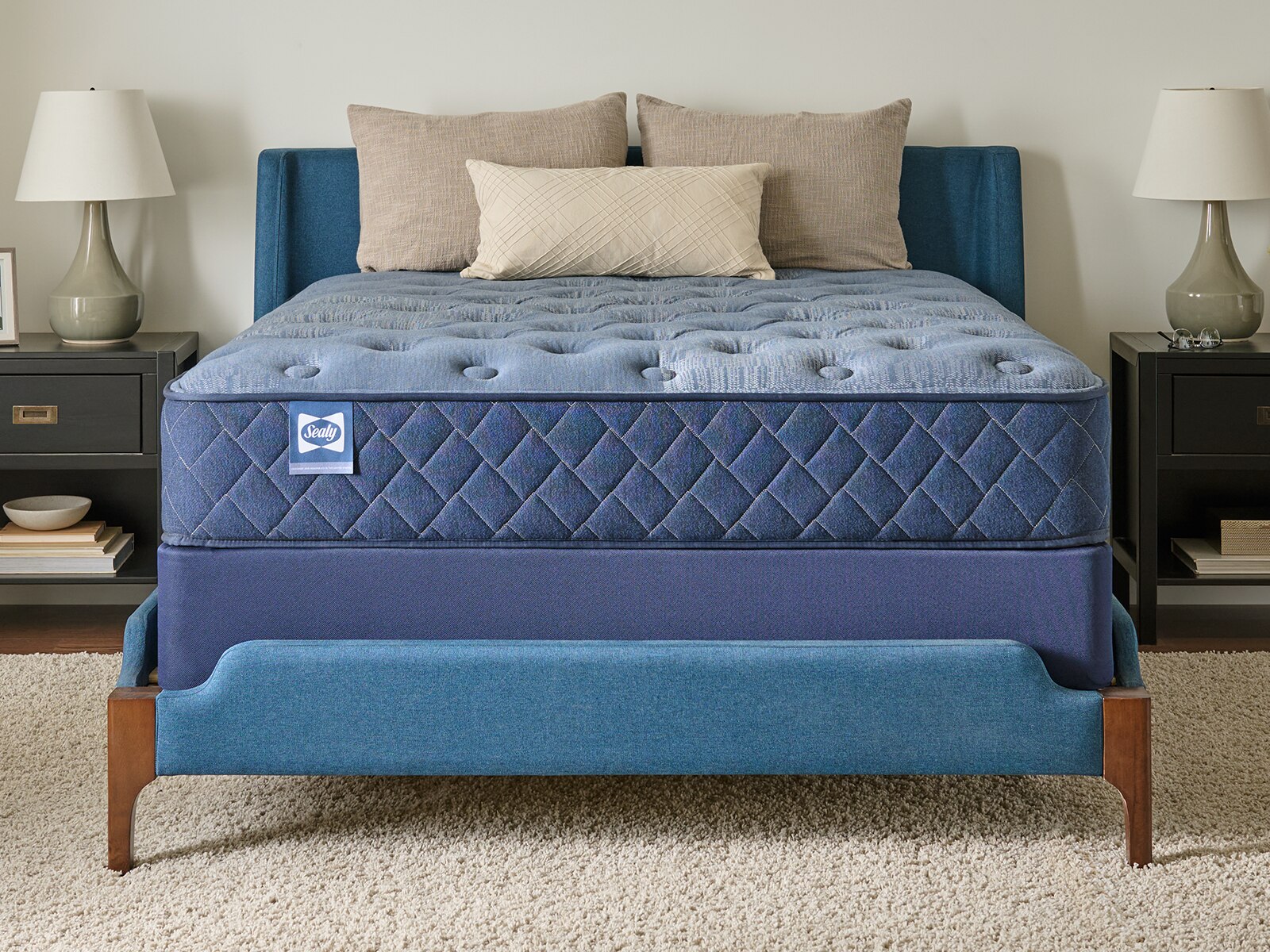
Gel support band mattresses typically combine a targeted section of gel-containing material with cushioning and a supportive mattress core. The band often runs across the center of the mattress, where the lower back and hips rest, although its placement, width and construction vary by design. Its purpose is to reinforce that area while allowing the surrounding comfort layers to cushion the body. This creates a different feel from a mattress with gel distributed evenly throughout a foam layer: a targeted band emphasizes a particular region rather than treating the entire surface the same way. The overall result depends on how that band works with the materials above and below it. Memory foam can offer a close, gradual contour around the shoulders and hips, while more responsive foams tend to compress and rebound more quickly. In a hybrid construction, coils provide the underlying support, with foam and other cushioning materials shaping the feel closer to the surface. An all-foam construction instead relies on a foam core to support the comfort layers. Neither construction automatically feels firmer or softer; layer thickness, foam density, coil design and the placement of reinforcement all contribute. Gel may also be included to influence how a material absorbs or transfers heat, but its presence alone does not guarantee a cooler sleep experience. Airflow through the mattress, the mattress protector and the bedding also matter. For shoppers comparing gel support band mattresses, the most useful distinction is between cushioning that eases pressure at the surface and support that helps keep the body from sinking too deeply. A mattress can feel plush at first touch while still having a substantial support structure underneath. Likewise, a firmer surface does not necessarily provide better support for every sleeper. The right combination accommodates the body’s curves without leaving the hips noticeably lower than the rest of the torso or pushing uncomfortably against the shoulders.
Sleep position and body proportions help determine whether that targeted reinforcement feels comfortable. For a back sleeper, a central support band may create a steadier sensation beneath the pelvis while the comfort layers fill the curve of the lower back. A side sleeper generally needs enough cushioning for the shoulder and hip to settle into the surface without feeling crowded or compressed. If the center section feels too resistant, the hip may remain elevated rather than settling comfortably with the rest of the body. Stomach sleepers often benefit from a surface that limits excessive sinking around the midsection, although the appropriate firmness still depends on body size and personal preference. People who change positions throughout the night may prefer responsive comfort layers that make turning feel easier. Two mattresses labeled with the same firmness can feel noticeably different because sleepers apply pressure differently, and because a support band changes the sensation in a specific area. When trying a mattress, spending several minutes in the usual sleeping position gives the cushioning time to respond. Notice whether the waist feels supported, whether the shoulder can relax and whether changing position requires extra effort. For partners, consider more than the center of the bed. Motion isolation can matter when one person turns frequently or gets up earlier, while edge support affects how secure the perimeter feels when sitting or sleeping near the side. A queen or king provides different amounts of room to stretch out, but the best fit also leaves practical walking space around the bed. Mattress height deserves attention as well, especially when paired with a tall frame or foundation. Getting into and out of bed should feel manageable, and the finished height should suit everyday routines. For a primary bedroom, prioritize the needs of the people sleeping there nightly; for a guest room, a less pronounced contour may feel familiar to a wider range of visitors.
Long-term comfort also depends on the foundation, bedding and care surrounding the mattress. A gel support band cannot compensate for a bowed frame, uneven platform or slats spaced farther apart than the manufacturer permits. Check the required support surface before setup, including any center support needed for larger sizes. If an adjustable base is part of the bedroom, confirm that the mattress is designed to flex with it rather than assuming every foam or hybrid construction is compatible. A properly fitted protector helps limit exposure to spills and everyday moisture, while sheets with sufficient pocket depth stay in place without pulling tightly across the comfort layers. Bedding can change the surface feel: a thick topper may soften the sensation of targeted support, while a tightly stretched cover may make the mattress feel less contouring. Shoppers interested in a broader range of gel-cushioned surfaces can also explore
Gel Touch Mattresses, keeping in mind that gel cushioning and a dedicated support band describe different construction features. For routine care, follow the mattress label rather than applying a general cleaning method. Many mattress covers are not removable or machine washable, even when they have a zipper. Where permitted, spot cleaning with a small amount of mild cleaner and allowing the surface to dry completely helps avoid saturating the interior. Rotate the mattress only as directed, and do not flip a one-sided design. Durability reflects the quality and arrangement of the full construction, not simply the presence of gel or the thickness of the mattress. Foam density, coil components, edge reinforcement and appropriate base support all play a role in how the surface holds up. Over time, distinguish normal softening from a persistent depression or a noticeable loss of support, and consult the care and warranty information for the construction. A well-matched gel support band mattress should bring together comfortable cushioning, suitable reinforcement and a feel that works with the sleeper’s usual position, making the entire sleep surface—not just one feature—the focus of the choice.